
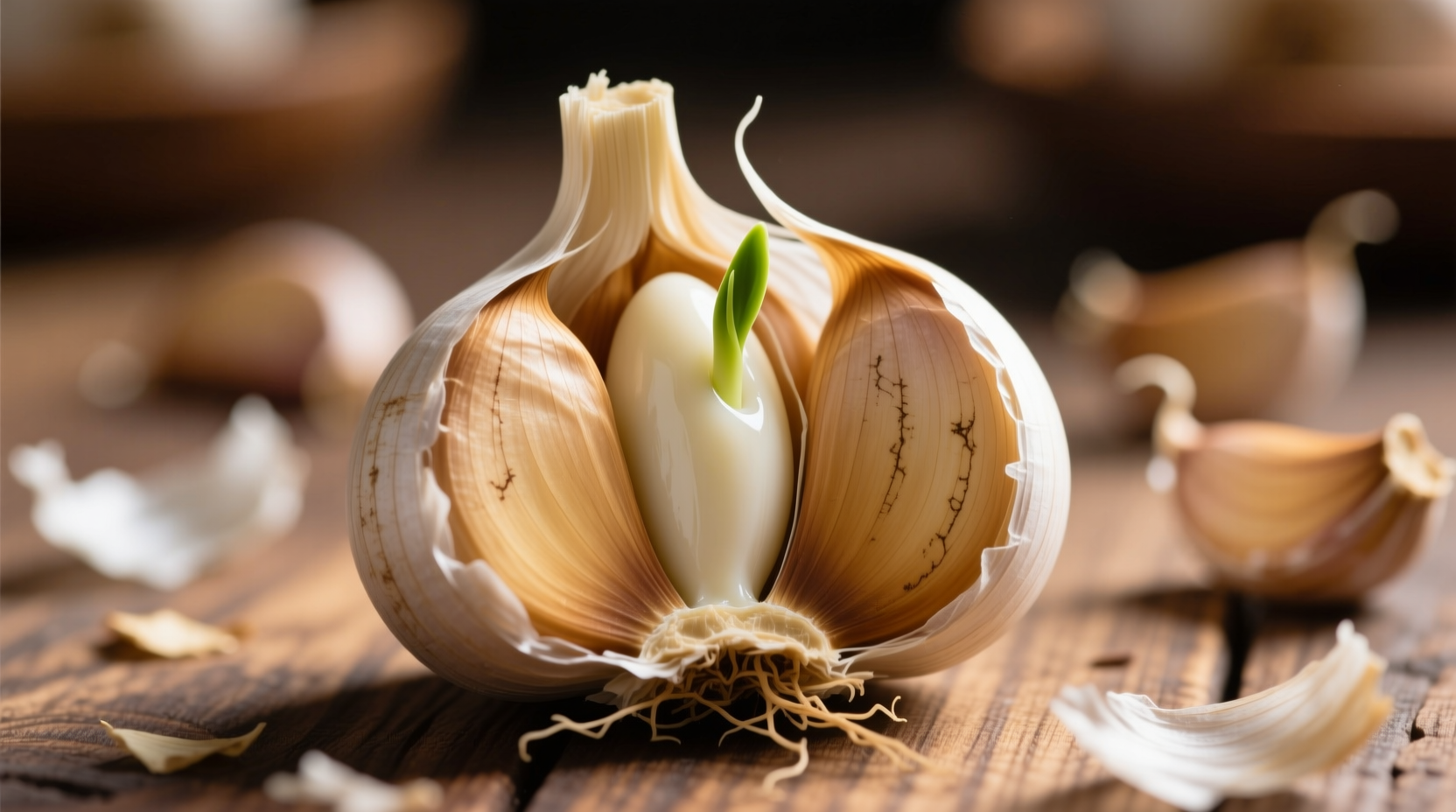
Understanding the distinct components of garlic transforms how you cook with this essential kitchen staple. As a chef who's worked with garlic in professional kitchens worldwide, I've discovered that each part offers unique flavors and applications that most home cooks overlook. This guide reveals exactly what each component does, which parts deliver maximum flavor, and how to use every element of the bulb—reducing waste while enhancing your dishes.
Garlic Anatomy: Your Complete Component Guide
Before exploring individual parts, let's visualize the complete garlic structure. A mature garlic bulb (Allium sativum) develops underground as a storage organ, with each section serving specific biological functions that directly impact culinary applications. Recognizing these components helps you maximize flavor extraction and minimize kitchen waste.
| Garlic Component | Edibility | Flavor Profile | Primary Culinary Uses |
|---|---|---|---|
| Individual cloves | Fully edible | Strong, pungent when raw; mellow, sweet when cooked | Base for sauces, roasting, sautéing, pickling |
| Papery skin | Not typically eaten | Subtle garlic essence | Stocks, broths, infusions |
| Root end | Discarded | Bitter, woody | Composting only |
| Central stem (in hardneck) | Edible when young | Mild garlic flavor | Stir-fries, pesto, grilling |
| Sprout/green shoot | Edible but strong | Bitter, intense | Remove for milder flavor; use in robust dishes |
The Culinary Powerhouse: Individual Garlic Cloves
Each bulb contains 8-20 individual cloves—the primary edible component responsible for garlic's distinctive flavor. These segmented sections develop their characteristic pungency through enzymatic reactions when damaged. When you crush or chop cloves, the enzyme alliinase converts alliin into allicin, creating that familiar garlic aroma within seconds.
Professional chefs manipulate this reaction to control flavor intensity. For milder flavor, add whole cloves early in cooking; for maximum pungency, mince finely and add near the end. The USDA National Nutrient Database confirms that one medium clove (3g) contains 4.5 calories, 1g carbohydrate, and notable amounts of manganese and vitamin B6.
Pro preparation tip: To easily remove skins, place cloves on a cutting board and press firmly with the flat side of a knife. The skin will separate from the clove, making peeling effortless. This technique works because the pressure ruptures cell walls between the skin and clove.
Unexpected Uses for Garlic Skin
While most discard garlic skins immediately, they contain valuable flavor compounds that professional kitchens utilize. The papery outer layers contain soluble flavor compounds that infuse beautifully into liquids without adding texture. According to research from the University of California's Agriculture and Natural Resources department, garlic skins contribute subtle flavor to stocks without the bitterness sometimes associated with overcooked cloves.
Rather than throwing away these skins, add them to:
- Vegetable or meat stocks (remove before serving)
- Olive oil infusions (strain after 2-3 weeks)
- Compost bins to accelerate decomposition
However, avoid using skins in dishes where appearance matters—they'll discolor sauces and soups. This context boundary is crucial: skins work perfectly in applications where you'll strain the liquid, but create undesirable visual elements in finished dishes.
Understanding the Root End and Stem Structure
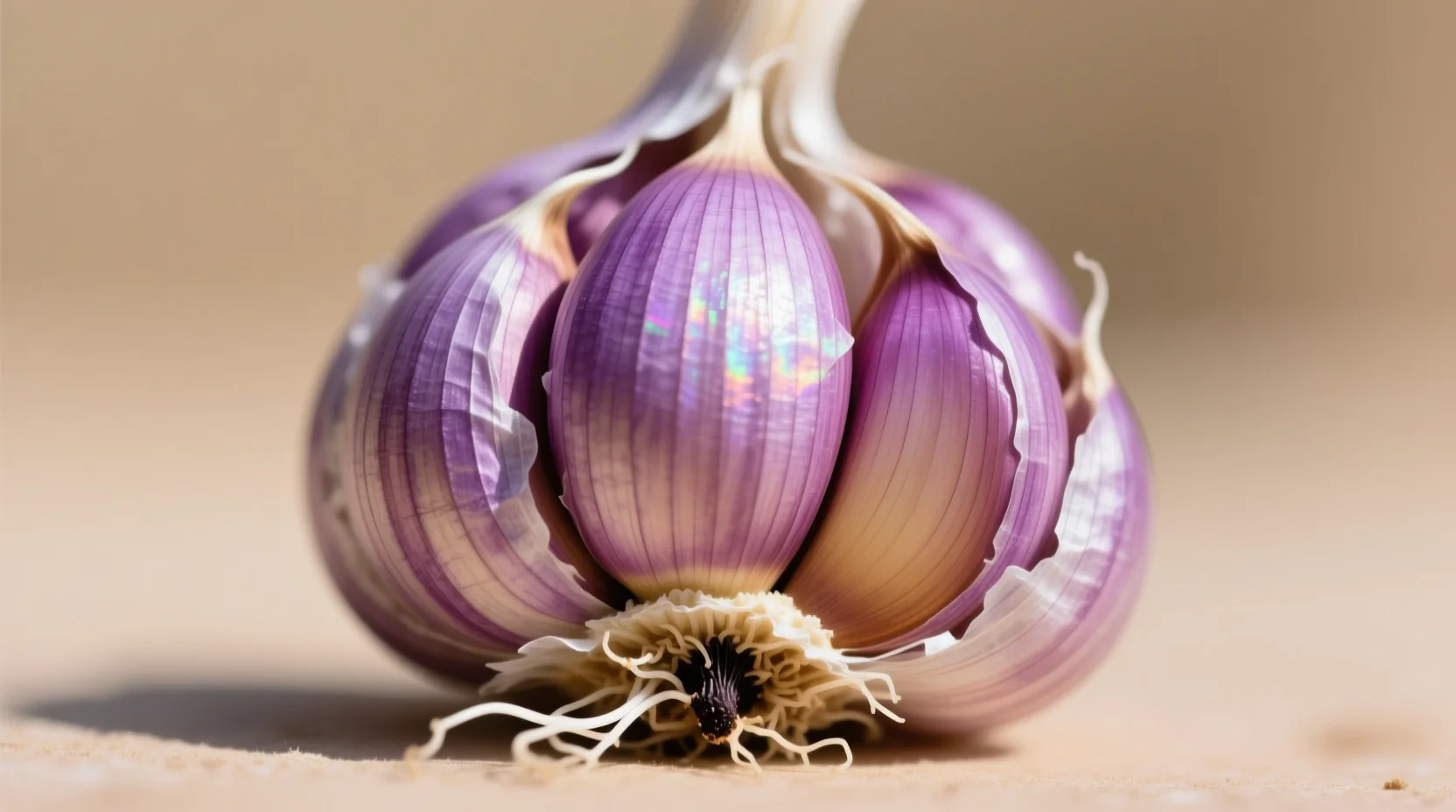
The basal plate (root end) appears as a flat, fibrous disc at the bottom of each clove. This section anchors the garlic in soil during growth and contains concentrated bitter compounds. Always remove this portion before cooking—it won't soften during preparation and creates unpleasant texture.
Hardneck garlic varieties develop a central flowering stem called a scape. Unlike the root end, scapes are completely edible with a mild garlic flavor. Chefs prize these curly green stalks in spring for their delicate taste. Simply trim the end and use in stir-fries, pesto, or grilled dishes. The University of Minnesota Extension notes that removing scapes directs energy back to bulb development, creating larger cloves.
Dealing with Sprouted Garlic: Safety and Applications
When garlic develops green sprouts in the center, many mistakenly believe it's spoiled. Actually, sprouting indicates aging but doesn't compromise safety. The sprout itself contains higher concentrations of certain antioxidants according to a Journal of Agricultural and Food Chemistry study, though it develops a more bitter flavor.
For most applications, remove the sprout by cutting the clove lengthwise and plucking it out. However, in robust dishes like braises or bean stews, some chefs intentionally use sprouted garlic for its intensified flavor. The key context boundary: use sprouted garlic in dishes with strong flavors that can balance the bitterness, but avoid in delicate preparations like aioli or salad dressings.
Maximizing Flavor Through Proper Preparation
Your cutting technique dramatically affects garlic's flavor profile. Understanding these preparation methods lets you control intensity:
- Whole cloves: Mellow flavor, ideal for roasting or simmering in soups
- Sliced: Moderate release, perfect for sautéing with onions as flavor base
- Minced: Maximum surface area, creates intense flavor for sauces and marinades
- Pounded: Traditional mortar-and-pestle method releases different compounds than chopping
Never cook garlic in extremely hot oil—this burns the sugars and creates bitterness. Instead, add garlic after other aromatics have softened, or infuse oil at low temperatures. This technique preserves the delicate balance of sulfur compounds that create garlic's complex flavor profile.
Storage Techniques for Each Component
Proper storage maintains quality of different garlic parts:
- Whole bulbs: Store in mesh bags in cool, dark, dry place (55-65°F)
- Separated cloves: Keep in airtight container in refrigerator for up to 2 weeks
- Minced/chopped: Store in olive oil in refrigerator for 3-5 days
- Skins: Dry completely and store in jar for stock making
- Scapes: Treat like asparagus—wrap in damp paper towel in produce drawer
Never store garlic in oil at room temperature due to botulism risk. The FDA specifically warns against this practice, noting that low-acid environments like garlic-in-oil can support Clostridium botulinum growth without visible spoilage.
Putting It All Together: Practical Applications
Now that you understand each component, here's how to apply this knowledge in real cooking scenarios:
- For delicate sauces: Use only fresh cloves with sprouts removed, finely minced
- For rich stocks: Add skins and root ends to your mirepoix for extra depth
- For roasted garlic: Leave cloves whole in skin to prevent burning
- For pesto: Substitute garlic scapes for traditional cloves in spring
By recognizing and utilizing each part appropriately, you'll reduce kitchen waste while creating more nuanced flavors. Remember that garlic quality starts with selection—choose firm bulbs without soft spots or green sprouts for most applications, though sprouted garlic works well in heartier dishes.




 浙公网安备
33010002000092号
浙公网安备
33010002000092号 浙B2-20120091-4