
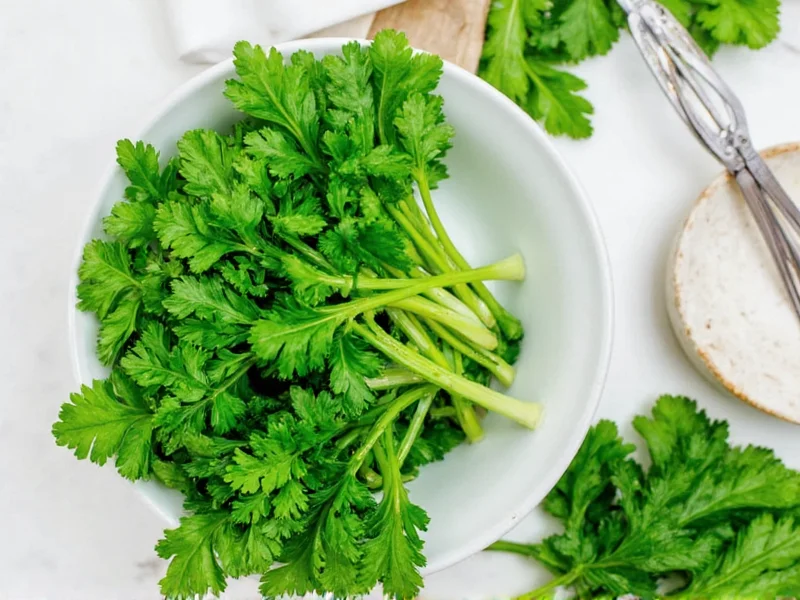
Understanding Parsley Options at Walmart
When searching for parsley at Walmart, shoppers have multiple options depending on their culinary needs and location. The retail giant maintains consistent inventory of this essential herb across its nationwide stores, making it accessible for home cooks and professional chefs alike.
Fresh Parsley Varieties Available
Walmart primarily offers two types of fresh parsley:
- Curly parsley - The most commonly stocked variety with ruffled leaves, mild flavor, and excellent garnishing properties
- Flat-leaf (Italian) parsley - Features broader, flatter leaves with more robust flavor preferred for cooking
Both varieties typically appear in the produce section near other fresh herbs like cilantro and basil. During peak growing seasons (spring through fall), you'll find the best quality and most consistent availability of fresh parsley at Walmart.
| Parsley Type | Average Price at Walmart | Where to Find | Organic Option? |
|---|---|---|---|
| Fresh Curly Parsley | $1.48-$2.48 per bunch | Produce section | Yes, in select stores |
| Fresh Flat-Leaf Parsley | $1.98-$2.98 per bunch | Produce section | Yes, in select stores |
| Dried Parsley | $1.58-$3.48 per container | Spice aisle | Yes, multiple brands |
Locating Parsley in Your Local Walmart
Finding parsley at Walmart follows a straightforward pattern:
- Fresh parsley - Check the fresh herb section in produce, usually near the front of the store
- Dried parsley - Visit the spice aisle where McCormick and other major brands are displayed
- Organic options - Look for the "Marketside" or "Marketside Organic" labels on fresh herbs
Store layout can vary slightly by location. Larger Supercenters typically maintain more consistent herb inventory than smaller Neighborhood Markets. If you can't locate fresh parsley, ask a produce department employee who can check inventory systems for you.
Pricing Considerations for Walmart Parsley
Walmart's parsley pricing remains competitive compared to other major retailers. The average price for fresh parsley at Walmart ranges from $1.48 to $2.98 depending on several factors:
- Geographic location (regional pricing differences)
- Season (prices may increase slightly during winter months)
- Organic versus conventional
- Store format (Supercenters often have better pricing than smaller formats)
Walmart frequently runs promotions on fresh herbs, especially during holiday cooking seasons. Checking the Walmart app for weekly deals before your shopping trip can help you find the best parsley walmart prices in your area.
Seasonal Availability and Quality
While Walmart maintains year-round parsley availability, quality varies with the seasons. During spring and summer months, you'll typically find:
- Firmer, more vibrant leaves
- Better shelf life (up to 10-14 days when properly stored)
- More consistent inventory across locations
Winter months may bring slightly higher prices and potentially less vibrant product due to transportation challenges. However, Walmart's supply chain generally ensures acceptable quality throughout the year. When selecting fresh parsley at Walmart, look for bright green leaves without yellowing or wilting.
Storage Tips for Maximum Freshness
Proper storage extends the life of your Walmart-bought parsley:
- Trim the bottom of the stems before placing in a glass of water
- Cover loosely with a plastic bag in the refrigerator
- Change water every 2-3 days
- For longer storage, chop and freeze in olive oil cubes
Following these steps can help your fresh parsley from Walmart last up to two weeks. Dried parsley maintains quality for 1-2 years when stored in a cool, dark place in its original container.
Comparing Walmart Parsley to Other Retailers
Walmart's parsley offerings compare favorably to other major retailers:
- Costco - Larger bundles but requires membership; better value for frequent users
- Trader Joe's - Often higher quality fresh herbs but at premium pricing
- Local grocery stores - May offer locally grown options but with less consistent availability
For most home cooks seeking convenience and value, Walmart provides the best balance of price, availability, and quality for both fresh and dried parsley options.
Culinary Uses for Walmart Parsley
Whether you purchase fresh curly or flat-leaf parsley from Walmart, this versatile herb enhances numerous dishes:
- Add to soups and stews during the last few minutes of cooking
- Create vibrant chimichurri or gremolata sauces
- Garnish roasted meats and vegetables
- Blend into pesto (flat-leaf works best)
- Include in tabbouleh and other grain salads
Don't discard the stems! Finely chopped parsley stems add excellent flavor to stocks and sauces. When following recipes that call for "a bunch of parsley," note that Walmart's standard bunch typically yields about 1 cup chopped.




 浙公网安备
33010002000092号
浙公网安备
33010002000092号 浙B2-20120091-4