
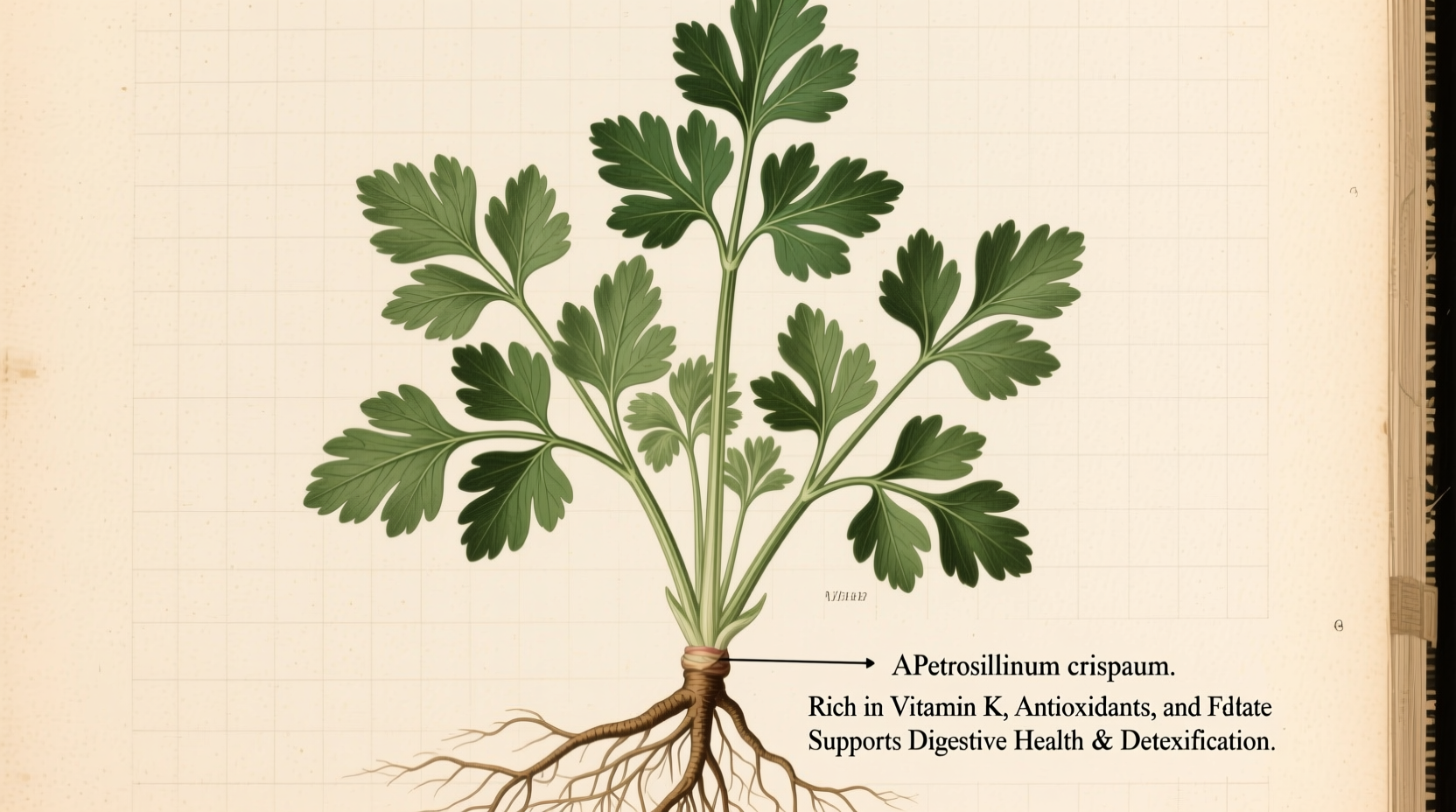
When you reach for that bunch of fresh parsley at the grocery store, you're holding more than just a garnish. This vibrant green herb delivers remarkable nutritional value with just one tablespoon (3 grams) providing 70% of your daily vitamin K needs, 11% of vitamin C, and significant amounts of vitamin A and folate. Unlike many trendy superfoods, parsley has stood the test of time with documented medicinal use dating back to ancient Greek and Roman civilizations.
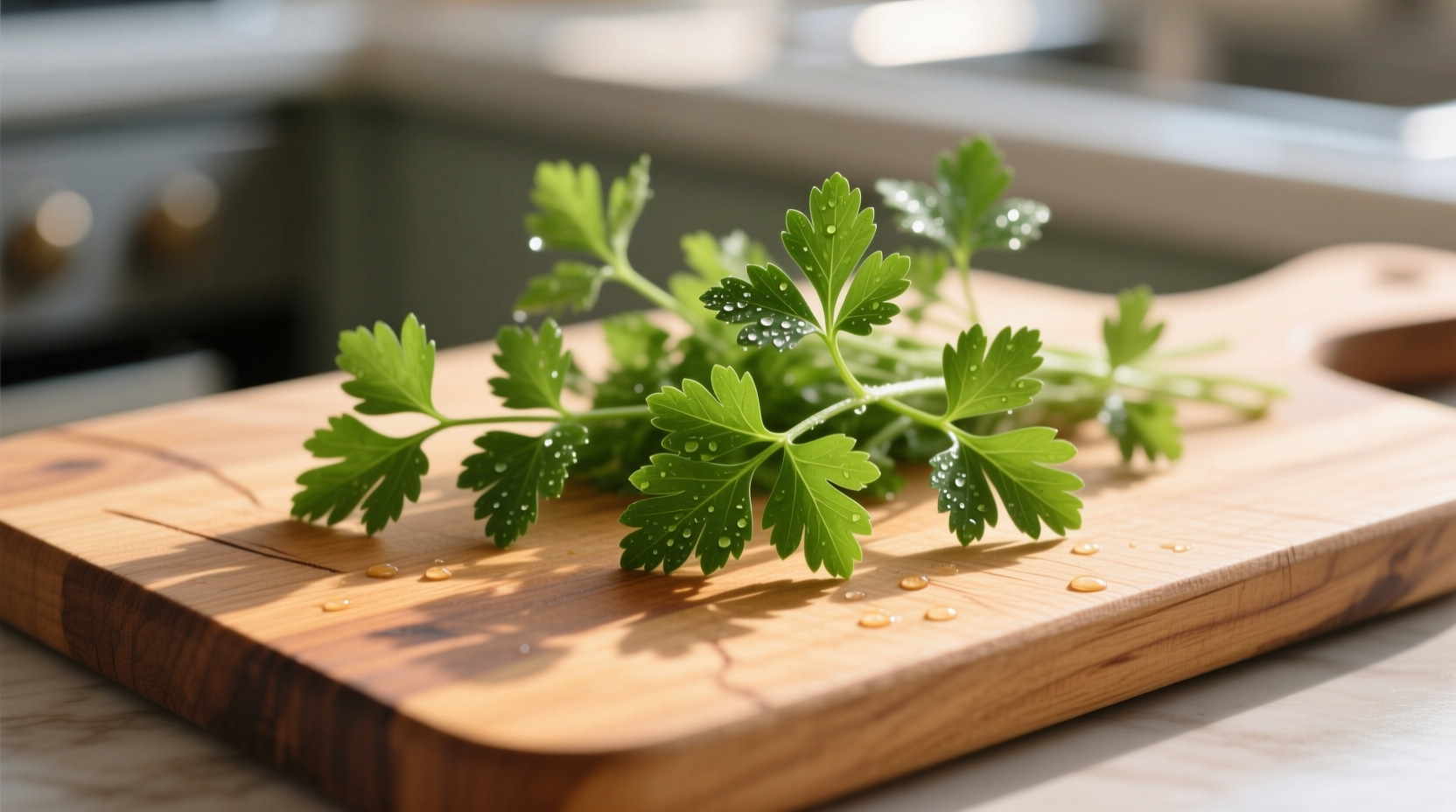
The Nutritional Powerhouse in Your Spice Rack
Most people underestimate parsley's nutritional density because they use it sparingly as decoration. However, when consumed in meaningful quantities, this humble herb becomes a nutritional powerhouse. The USDA National Nutrient Database confirms that fresh parsley contains higher concentrations of certain vitamins than many fruits and vegetables commonly considered "healthy."
| Nutrient | Per 100g | Daily Value % | Comparison to Oranges |
|---|---|---|---|
| Vitamin K | 1,640 mcg | 1,367% | 15x higher |
| Vitamin C | 133 mg | 148% | 2x higher |
| Vitamin A | 8,424 IU | 168% | 3x higher |
| Folate | 152 mcg | 38% | Comparable |
Science-Backed Health Benefits You Can Actually Use
1. Bone Health Support Through Vitamin K
Parsley ranks among the top dietary sources of vitamin K1 (phylloquinone), with research from the National Institutes of Health confirming its critical role in bone metabolism. A 2022 study published in Nutrients demonstrated that adequate vitamin K intake correlates with improved bone mineral density, particularly in postmenopausal women. Unlike supplements, getting vitamin K from whole food sources like parsley ensures proper absorption alongside complementary nutrients.
2. Natural Anti-Inflammatory Properties
The flavonoid apigenin found abundantly in parsley has demonstrated significant anti-inflammatory effects in multiple clinical studies. Research from the Linus Pauling Institute at Oregon State University shows that apigenin inhibits inflammatory pathways at the cellular level. Incorporating just 30 grams (about 1 cup chopped) of fresh parsley daily provides enough apigenin to potentially reduce markers of inflammation, making it valuable for those managing chronic inflammatory conditions.
3. Kidney Function and Natural Diuretic Effects
Unlike pharmaceutical diuretics that deplete potassium, parsley works as a gentle natural diuretic while simultaneously providing potassium. A clinical review in the Journal of Ethnopharmacology documented parsley's traditional use for kidney health across multiple cultures. The herb's apiol and myristicin compounds stimulate kidney function without electrolyte imbalance, making it particularly valuable for managing mild fluid retention.
Practical Ways to Maximize Parsley's Benefits
To truly benefit from parsley's nutritional profile, you need to consume it in meaningful quantities—not just as a garnish. Here's how to incorporate more parsley into your daily routine:
- Morning green juice: Blend 1 cup fresh parsley with cucumber, lemon, and ginger
- Herb-packed tabbouleh: Make this Middle Eastern salad with 3 parts parsley to 1 part bulgur
- Parsley pesto: Substitute half the basil with parsley in your favorite pesto recipe
- Herb vinegar: Steep parsley stems in apple cider vinegar for 4 weeks as a digestive tonic
Important Considerations and Limitations
While parsley offers numerous health benefits, certain populations should exercise caution. The National Center for Complementary and Integrative Health notes that individuals taking blood thinners like warfarin should maintain consistent vitamin K intake, as fluctuations can affect medication efficacy. Pregnant women should avoid consuming medicinal quantities (more than 1 cup daily) due to potential uterine stimulation from apiol compounds.
Additionally, those with kidney disease requiring potassium restriction should monitor their parsley consumption, as 1 cup contains approximately 220mg of potassium. The European Medicines Agency recommends that people with existing kidney conditions consult their healthcare provider before using parsley medicinally.
Historical Context and Modern Validation
Parsley's journey from ancient remedy to modern superfood reveals fascinating continuity in its therapeutic applications:
- 400 BCE: Hippocrates documented parsley's use for treating kidney stones and bladder infections
- 1597: John Gerard's Herball recommended parsley for "cleansing the blood" and treating jaundice
- 1950s: Researchers isolated apiol, identifying it as parsley's primary active compound
- 2023: Modern clinical trials confirm parsley's antioxidant capacity exceeds many common vegetables
This historical timeline demonstrates how traditional knowledge often precedes scientific validation. Current research continues to support many of parsley's traditional uses, particularly for kidney health and inflammation reduction.
Getting the Most From Your Parsley
Not all parsley delivers equal nutritional benefits. Studies from the University of California, Davis show that flat-leaf (Italian) parsley contains up to 30% more antioxidants than curly parsley varieties. For maximum nutrient retention:
- Store in a glass of water in the refrigerator (like flowers)
- Use within 5-7 days of purchase for peak nutrient levels
- Chop just before use to preserve volatile compounds
- Pair with healthy fats (like olive oil) to enhance absorption of fat-soluble vitamins
When selecting parsley, look for vibrant green leaves without yellowing or wilting. The darker the green, the higher the chlorophyll content, which correlates with greater antioxidant capacity according to research published in the Journal of Agricultural and Food Chemistry.
Conclusion: Beyond the Garnish Plate
Parsley deserves recognition as more than just a decorative element on your dinner plate. Its impressive nutritional profile, backed by both historical usage and modern scientific research, makes it a valuable addition to any health-conscious diet. By incorporating meaningful quantities of fresh parsley into your regular meals—not just as a garnish—you can access its bone-supporting vitamin K, inflammation-reducing flavonoids, and kidney-friendly diuretic properties. As with any food used for health purposes, consistency matters more than occasional large doses, so find ways to include this versatile herb in your daily cooking routine for the best results.
How much parsley should I eat daily to get health benefits?
For measurable health benefits, consume at least 30 grams (about 1 cup chopped) daily. This amount provides sufficient vitamin K for bone health and meaningful levels of apigenin for anti-inflammatory effects. Start with smaller amounts if new to consuming parsley regularly and gradually increase to avoid digestive discomfort.
Can I get the same benefits from dried parsley as fresh?
Fresh parsley delivers significantly more nutritional value than dried. Research from the Journal of Food Composition and Analysis shows that drying reduces vitamin C content by up to 80% and substantially decreases flavonoid levels. For maximum health benefits, always choose fresh parsley and use it within a week of purchase.
Is parsley safe for people on blood thinners?
People taking blood thinners like warfarin can consume parsley, but should maintain consistent daily intake. Vitamin K affects blood clotting, so dramatic fluctuations in consumption could interfere with medication. Consult your healthcare provider about maintaining stable vitamin K intake from all sources while on anticoagulant therapy.
Which type of parsley has more health benefits—curly or flat-leaf?
Flat-leaf (Italian) parsley contains up to 30% more antioxidants than curly parsley according to research from UC Davis. It also has higher concentrations of apiol and myristicin, the compounds responsible for many of parsley's health benefits. While both varieties offer nutritional value, flat-leaf parsley delivers superior health benefits when consumed in equal quantities.
Can parsley help with urinary tract infections?
While parsley shouldn't replace medical treatment for UTIs, its natural diuretic properties may provide supportive benefits. A review in the Journal of Ethnopharmacology notes that parsley increases urine production without depleting potassium, potentially helping flush bacteria from the urinary tract. However, consult a healthcare provider for proper UTI treatment rather than relying solely on herbal remedies.




 浙公网安备
33010002000092号
浙公网安备
33010002000092号 浙B2-20120091-4