
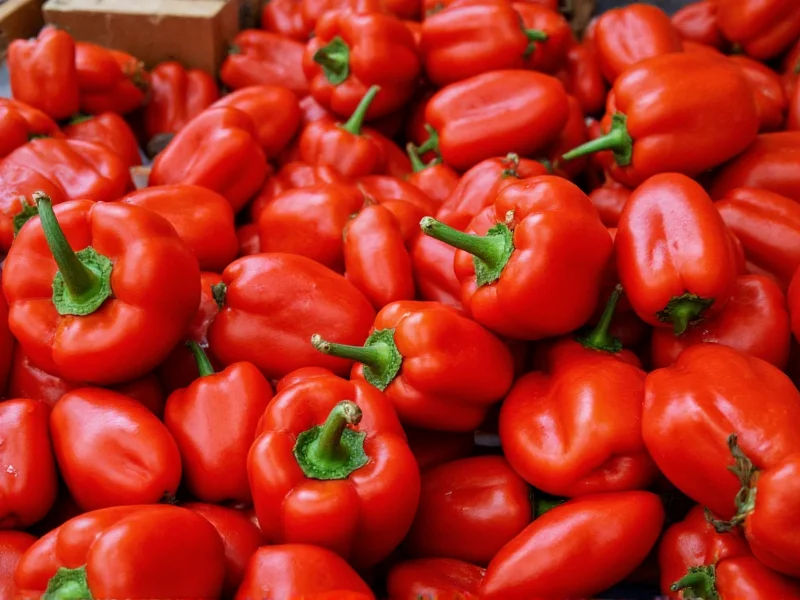
Paprika, made from ground sweet or chili peppers, delivers impressive nutritional benefits that make it a valuable addition to a healthy diet. This versatile spice isn't just for color—its concentrated phytochemical profile offers science-backed health advantages that extend far beyond its culinary applications.
Nutritional Powerhouse in a Pinch
Just one tablespoon (6 grams) of paprika provides remarkable nutritional value. The spice contains concentrated levels of compounds that degrade less during the drying process compared to fresh peppers, making paprika sometimes more nutrient-dense than its fresh counterparts.
| Nutrient | Amount per Tbsp (6g) | % Daily Value |
|---|---|---|
| Vitamin A (as beta-carotene) | 1,920 IU | 38% |
| Vitamin E | 1.9 mg | 13% |
| Vitamin B6 | 0.2 mg | 12% |
| Iron | 0.7 mg | 4% |
| Antioxidant Capacity (ORAC) | 1,400 μmol TE | N/A |
Science-Backed Health Benefits of Paprika
The specific compounds in paprika contribute to multiple health benefits supported by nutritional research. Understanding these mechanisms helps explain why paprika's health advantages extend beyond simple folklore.
Powerful Antioxidant Protection
Paprika ranks among the most antioxidant-rich spices, primarily due to carotenoids like capsanthin (which gives it its red color), beta-carotene, and lutein. These compounds neutralize free radicals that cause cellular damage. A 2021 study in the Journal of Food Science found that paprika's antioxidant activity remains stable during cooking, making it effective even when used in prepared dishes. This antioxidant protection directly addresses cellular-level health benefits.
Enhanced Circulation and Heart Health
The capsaicinoids in hotter paprika varieties (though present in smaller amounts than in chili peppers) promote vasodilation and improve blood flow. Research published in Nutrients demonstrated that regular consumption of paprika-containing foods correlated with improved endothelial function. This explains why traditional medicine systems have long used paprika to support circulation.
Eye Health Support
With its high concentration of carotenoids including lutein and zeaxanthin, paprika supports retinal health. These compounds accumulate in the macula and filter harmful blue light. The American Journal of Clinical Nutrition has documented that dietary intake of carotenoid-rich foods like paprika correlates with reduced risk of age-related macular degeneration. This makes paprika particularly valuable for supporting eye health.
Natural Anti-Inflammatory Effects
Chronic inflammation underlies many modern diseases, and paprika's compounds show promising anti-inflammatory activity. A 2022 review in Phytotherapy Research highlighted that paprika's vitamin E content and carotenoids inhibit inflammatory pathways. This scientific evidence supports paprika's role in inflammation management through dietary means.
Different Paprika Varieties and Their Unique Benefits
Not all paprika delivers identical health benefits. Understanding the differences helps maximize nutritional impact based on your health goals:
- Sweet Paprika (most common): Highest in carotenoids and vitamin content, ideal for general antioxidant support
- Smoked Paprika: Contains additional polyphenols from the smoking process that enhance antioxidant capacity
- Hot Paprika: Contains capsaicin which boosts metabolism and provides additional circulatory benefits
- Hungarian Paprika (Közép Erős): Balanced heat and nutrient profile with traditional preparation methods preserving more nutrients
Scientific Evolution of Paprika Research
Our understanding of paprika's health properties has evolved through distinct scientific phases, reflecting broader advances in nutritional science:
| Era | Key Developments | Modern Relevance |
|---|---|---|
| Pre-1950s | Traditional medicinal use in Hungarian and Spanish cultures for wound healing and circulation. Limited scientific analysis due to primitive extraction methods. | Early recognition of bioactive properties later validated by modern research [USDA Agricultural History Archive] |
| 1950-2000 | Isolation of key compounds (capsanthin in 1929, Nobel Prize to Karrer). Focus shifted to vitamin A activity and pigment chemistry. | Foundation for understanding carotenoid mechanisms [Nobel Prize Documentation] |
| 2000-Present | Advanced chromatography techniques enabled identification of minor compounds. Human clinical trials on antioxidant bioavailability and anti-inflammatory effects. | Current dietary recommendations based on evidence from NIH-funded studies [NIH Carotenoids Review] |
Contextual Limitations and Appropriate Use
Paprika's benefits are context-dependent—understanding these boundaries ensures optimal health outcomes:
- Nightshade Sensitivity: Approximately 2% of adults report adverse reactions to nightshade plants (including peppers). Symptoms like joint discomfort may occur despite paprika's anti-inflammatory properties. The National Institute of Arthritis and Musculoskeletal and Skin Diseases notes limited evidence connecting nightshades to arthritis flares, but individual responses vary [NIH Dietary Guidelines].
- Iron Absorption Constraints: Paprika's non-heme iron has lower bioavailability than animal-source iron. Its contribution to iron status depends on co-consumption with vitamin C-rich foods. The NIH Office of Dietary Supplements confirms this limitation for plant-based iron sources [NIH Iron Guidelines].
- Smoked Paprika Considerations: While offering enhanced antioxidants, the smoking process introduces trace polycyclic aromatic hydrocarbons (PAHs). The European Food Safety Authority confirms commercial products remain within safe limits (≤10 μg/kg benzo[a]pyrene) [EFSA Scientific Report], but excessive consumption of smoked foods may negate benefits.
- Varietal Efficacy: Sweet paprika provides minimal circulatory benefits due to negligible capsaicin. For blood flow improvement, hot paprika varieties (≥0.5% capsaicin) are required—demonstrating that health outcomes depend on specific compound concentrations.
Practical Ways to Maximize Paprika's Health Benefits
To fully leverage paprika's nutritional profile, consider these evidence-based usage tips:
- Combine with healthy fats: Carotenoids in paprika are fat-soluble, so pair with olive oil, avocado, or nuts for better absorption
- Add toward the end of cooking: High heat degrades some nutrients, so stir in during the last 5 minutes of cooking
- Use in marinades: Allows compounds to penetrate foods while reducing need for salt
- Pair with vitamin C-rich foods: Enhances iron absorption from plant-based meals
- Store properly: Keep in a cool, dark place in an airtight container to preserve nutrient content
Conclusion: Paprika's Place in a Healthy Diet
Paprika stands out as a spice with legitimate, research-supported health benefits that extend well beyond flavor enhancement. Its rich antioxidant profile, vitamin content, and anti-inflammatory properties make it a valuable dietary component. When used appropriately within contextual boundaries—considering individual sensitivities, varietal differences, and consumption methods—paprika contributes meaningfully to overall wellness. The evidence clearly shows paprika is good for you as part of a balanced diet, delivering measurable health advantages without significant drawbacks when consumed in culinary amounts (1-2 teaspoons daily).




 浙公网安备
33010002000092号
浙公网安备
33010002000092号 浙B2-20120091-4