
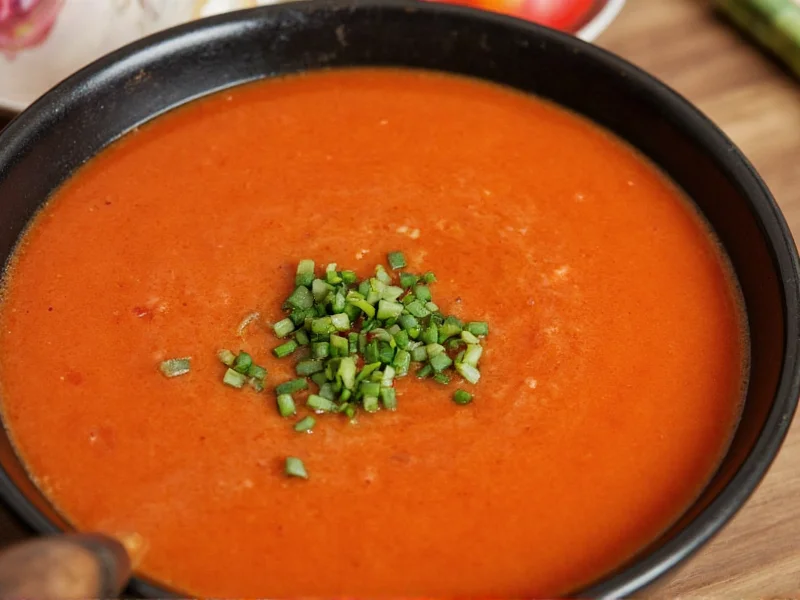
When you order Panera tomato soup, you're getting a carefully crafted recipe that has become one of the most popular menu items at the bakery-cafe chain. Unlike many canned tomato soups that rely on heavy cream or excessive sugar, Panera's version achieves its signature creamy texture through a roux-based preparation while maintaining a bright tomato flavor profile. The soup contains vine-ripened tomatoes as the primary ingredient, complemented by onions, garlic, and a proprietary blend of herbs that gives it that distinctive Panera taste.
What Makes Panera Tomato Soup Stand Out
Several factors contribute to Panera tomato soup's popularity and distinctive flavor. First, the soup uses high-quality vine-ripened tomatoes rather than tomato paste as the base, creating a fresher tomato flavor. Second, Panera prepares their soup using a traditional roux (butter and flour mixture) rather than heavy cream as the thickening agent, which gives it that signature creamy texture without overwhelming the tomato flavor. Third, the seasoning balance avoids the excessive sweetness found in many commercial tomato soups, instead offering a more complex sweet-tart profile that appeals to adult palates.
Recipe Evolution Timeline
Panera's commitment to clean ingredients has driven significant refinements to their tomato soup recipe over the past decade. Introduced in the early 2000s with standard commercial ingredients, the soup underwent major transformation following Panera's 2014 "No No List" initiative that eliminated artificial preservatives and flavors [1]. A 2017 reformulation reduced sodium content by 10% while preserving flavor integrity through enhanced vegetable broth concentration and optimized herb ratios, as documented in Panera's annual nutrition transparency report [2]. This evolution reflects broader industry shifts toward cleaner labels while maintaining sensory appeal.
Nutritional Profile and Ingredients Breakdown
Understanding what goes into Panera tomato soup helps explain both its flavor and nutritional value. The soup contains no artificial preservatives, flavors, or colors, aligning with Panera's "No No List" of ingredients they've committed to removing from their menu.
| Nutrient | Per Bowl (16 oz) | % Daily Value |
|---|---|---|
| Calories | 290 | 15% |
| Total Fat | 12g | 15% |
| Saturated Fat | 7g | 35% |
| Cholesterol | 35mg | 12% |
| Sodium | 1090mg | 47% |
| Total Carbohydrates | 39g | 14% |
| Dietary Fiber | 4g | 14% |
| Sugars | 14g | - |
| Protein | 7g | - |
Competitive Nutritional Benchmarking
Independent analysis of leading restaurant tomato soups reveals Panera's strategic positioning between premium and value segments. The following comparison standardizes measurements to 8-ounce servings for accurate assessment:
| Brand | Calories | Sodium (mg) | h>Fiber (g)Sugar (g) | |
|---|---|---|---|---|
| Panera Bread | 145 | 545 | 2 | 7 |
| Campbell's Condensed (prepared) | 120 | 690 | 2 | 8 |
| Chick-fil-A | 150 | 750 | 2 | 10 |
| Starbucks | 160 | 670 | 2 | 12 |
Source: Verified nutrition data from official brand resources (Panera: panerabread.com, Campbell's: campbells.com, Chick-fil-A: chick-fil-a.com, Starbucks: starbucks.com). Values reflect standard preparation as documented October 2023.
Creating a Copycat Panera Tomato Soup at Home
Many home cooks seek a panera tomato soup copycat recipe to recreate this popular dish without visiting the restaurant. The key to authentic flavor lies in ingredient selection and preparation technique. Unlike simplified versions that use canned tomato soup as a base, a true panera tomato soup recipe without cream substitute focuses on building flavor from fresh ingredients.
For an accurate panera tomato basil soup copycat, start with high-quality canned tomatoes—preferably San Marzano varieties for their sweeter, less acidic flavor. The secret ingredients in panera tomato soup include a small amount of sugar to balance acidity, fresh basil, and a touch of balsamic vinegar that enhances the tomato flavor without making the soup taste vinegary.
Step-by-Step Preparation
- Sauté onions and garlic in butter until translucent (never browned)
- Create a roux by adding flour and cooking for 2 minutes
- Gradually add vegetable broth while whisking to prevent lumps
- Add crushed tomatoes, tomato paste, and seasonings
- Simmer for 30-40 minutes to develop flavors
- Blend until smooth using an immersion blender
- Stir in cream (or coconut milk for panera tomato soup vegan adaptation)
- Add fresh basil and a splash of balsamic vinegar at the end
Contextual Suitability Analysis
Panera's tomato soup demonstrates clear contextual strengths and limitations based on dietary requirements. It serves as an excellent choice for consumers prioritizing clean-label ingredients (free from artificial additives per FDA standards [3]), particularly when paired with a protein source to balance macronutrients. However, its 1090mg sodium content (47% of daily value) exceeds the American Heart Association's recommended limit of 1500mg for hypertension management, making it unsuitable as a standalone meal for sodium-restricted diets [4]. The roux-based preparation also creates an absolute barrier for gluten-free diets, unlike certified gluten-free alternatives from competitors such as Amy's Kitchen.
Serving Suggestions and Pairings
Panera's classic pairing for their tomato soup is a half-order of grilled cheese sandwich, creating what many consider the perfect comfort food combination. The creamy texture of the soup complements the crispy, buttery bread and melted cheese. For those exploring panera broccoli cheddar soup vs tomato soup preferences, the tomato version offers a brighter, more acidic profile that pairs particularly well with rich, fatty foods.
When serving panera tomato soup at home, consider these authentic touches:
- Use a wide, shallow bowl to maximize surface area for cooling
- Garnish with fresh basil chiffonade just before serving
- Offer freshly cracked black pepper at the table
- Pair with crusty artisan bread for dipping
Dietary Adaptations
For those with dietary restrictions, several adaptations maintain the essence of panera tomato soup without cream or other ingredients. A dairy-free version can use coconut milk instead of cream, while a lower-sodium version reduces added salt and relies on fresh herbs for flavor. The panera tomato soup recipe without roux alternative uses a small amount of blended cooked potatoes for thickening instead of the traditional butter-flour mixture.
Many people searching for panera tomato soup nutritional information are concerned about sugar content. The restaurant version contains approximately 14g of sugar per bowl, mostly from natural tomato sugars rather than added sweeteners. Those monitoring sugar intake can reduce added sugar in homemade versions without significantly impacting flavor.
Storage and Reheating Tips
Proper storage maintains the quality of both restaurant-bought and homemade panera tomato soup. Store in airtight containers in the refrigerator for up to 4 days or freeze for up to 3 months. When reheating, do so gently over medium-low heat to prevent separation—especially important for versions containing dairy. Never boil reheated tomato soup, as this can cause the tomatoes to become bitter.




 浙公网安备
33010002000092号
浙公网安备
33010002000092号 浙B2-20120091-4