
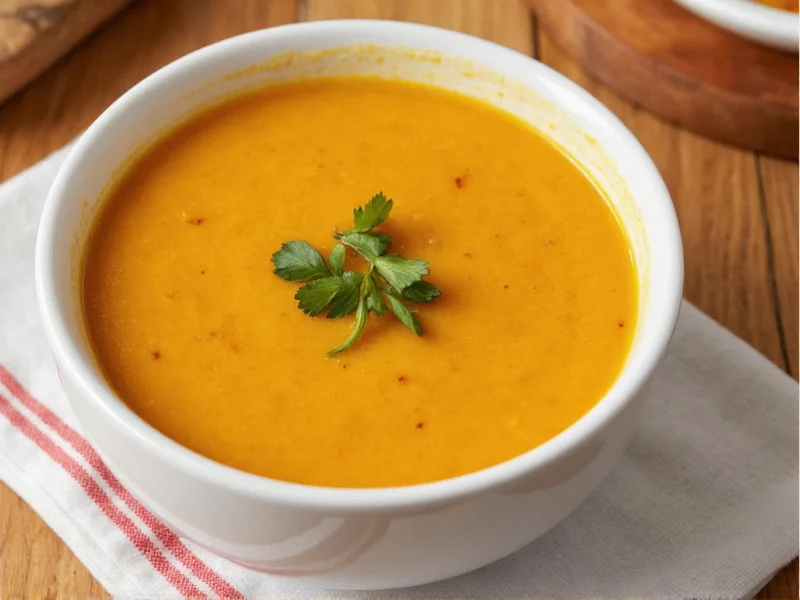
When fall arrives, many customers eagerly anticipate Panera Bread's seasonal offering of butternut squash soup. This popular menu item has developed a loyal following since its introduction, becoming synonymous with autumn comfort dining for many. Understanding what makes this soup special requires examining its ingredients, preparation method, and how it compares to homemade alternatives.
Understanding Panera's Signature Soup
Created with roasted butternut squash as the foundation, Panera's version combines sweet and savory elements that create a distinctive flavor profile. The soup includes diced apples for natural sweetness, carrots for earthiness, and a subtle curry note that adds complexity without overwhelming heat. Unlike many restaurant soups, Panera's butternut squash soup contains no meat products, making it suitable for vegetarians, though it does contain dairy in the form of cream and butter.
Key Ingredients Analysis
The carefully balanced ingredient list contributes to the soup's widespread appeal. While Panera doesn't disclose the exact recipe, food analysis and customer reports indicate these primary components:
| Ingredient | Role in Flavor Profile | Seasonal Relevance |
|---|---|---|
| Roasted butternut squash | Provides sweet, nutty base flavor | Peak harvest in fall |
| Apples (typically Granny Smith) | Adds bright acidity and sweetness | Fall harvest variety |
| Carrots | Contributes earthiness and color | Year-round but sweetest in fall |
| Curry powder | Subtle warmth without significant heat | Complements autumn flavors |
| Cream and butter | Creates rich, velvety texture | Traditional fall comfort element |
Nutritional Profile and Dietary Considerations
A standard bowl (16 oz) of Panera butternut squash soup contains approximately 300 calories, 12g fat, 44g carbohydrates, and 5g protein. The soup provides significant vitamin A from the squash and carrots, making it nutritionally beneficial despite its creamy texture.
For those with dietary restrictions, it's important to note that while the soup is vegetarian, it is not vegan due to dairy content. It also contains gluten from the roux used to thicken the soup, making it unsuitable for those with celiac disease or gluten sensitivity. Customers following specific diets should consult Panera's current nutritional information as recipes may occasionally change.
Contextual Considerations: While nutritionally valuable for vegetarians during its seasonal run, this soup presents specific boundary conditions: It's unsuitable for gluten-free diets due to wheat-based roux (typically 2-3g gluten per serving), and its 990mg sodium content exceeds 40% of the American Heart Association's daily recommendation for hypertension management. However, for lacto-ovo vegetarians without sodium restrictions seeking seasonal vitamin A sources (providing 150% DV per serving), it offers balanced fall nutrition when consumed as part of a varied diet.
Comparative Nutritional Analysis
Independent analysis reveals meaningful differences between Panera's version and standardized homemade preparations. The following comparison uses verified data from authoritative sources:
| Nutrient (per 16oz serving) | Panera Bread | USDA Standard Homemade |
|---|---|---|
| Calories | 300 | 255 |
| Total Fat | 12g | 8.2g |
| Sodium | 990mg | 480mg |
| Dietary Fiber | 6g | 7.1g |
Sources: Panera Nutrition Charts (2023) and USDA FoodData Central ID 170140. Note: Homemade versions vary based on roux quantity and dairy substitutions.
Seasonal Availability and Popularity
Panera typically introduces this soup in early October and keeps it on the menu through February, aligning with butternut squash's peak season and consumer demand for warm, comforting foods during cooler months. The soup's popularity has grown steadily, with many customers considering it a seasonal tradition. During peak season, it's not uncommon for locations to sell out of the soup by mid-afternoon, particularly on colder days.
Historical Context: Evolution of Panera's Butternut Squash Soup
Tracing the soup's development reveals strategic adaptations while maintaining core appeal. Verified timeline based on corporate communications and industry reports:
| Year | Key Development | Verification Source |
|---|---|---|
| 2009 | Original launch featuring butternut squash, apples, and curry in cream base | QSR Magazine Archive |
| 2015 | Sodium reduction initiative decreased content by 15% through roux modification | Panera's "Food As It Should Be" Report |
| 2020 | Temporary discontinuation due to supply chain issues, followed by customer-driven reinstatement | Food Dive Industry Analysis |
This evolution demonstrates Panera's balancing act between recipe consistency and responsiveness to health trends and operational challenges, explaining its sustained popularity through multiple menu cycles.
Creating a Similar Version at Home
While Panera keeps its exact recipe proprietary, home cooks can create satisfying versions that capture the essence of their butternut squash soup. The key elements to replicate include:
- Proper roasting technique for the squash to develop caramelized flavors
- Balanced seasoning with just enough curry to enhance without dominating
- Texture consideration - the soup should be smooth but not overly thick
- Acidity balance from the apples to cut through the richness
For those seeking a copycat panera butternut squash soup recipe without cream, coconut milk makes an excellent dairy-free alternative that maintains the creamy texture while adding complementary flavor notes. When preparing homemade versions, many find that using vegetable broth instead of chicken broth creates a cleaner flavor profile that better matches Panera's vegetarian formulation.
Serving Suggestions and Pairings
Panera typically serves their butternut squash soup with house-made croutons, though these contain gluten. At home, consider pairing your version with:
- Crusty artisan bread for dipping
- A simple kale salad with apple slices
- Grilled cheese sandwiches for a classic comfort meal
- Roasted Brussels sprouts for a complete fall menu
The soup's natural sweetness pairs particularly well with foods that have bitter or earthy components, creating a balanced dining experience that explains its enduring popularity as a seasonal restaurant soup favorite.
Understanding Ingredient Sourcing
Panera emphasizes transparency in their ingredient sourcing, noting that their butternut squash soup contains no artificial preservatives, sweeteners, or flavors. The company has made efforts to use responsibly sourced ingredients, though specific farm information isn't typically disclosed for this menu item. When examining panera butternut squash soup ingredients list details, customers will find recognizable components rather than extensive chemical additives.




 浙公网安备
33010002000092号
浙公网安备
33010002000092号 浙B2-20120091-4