
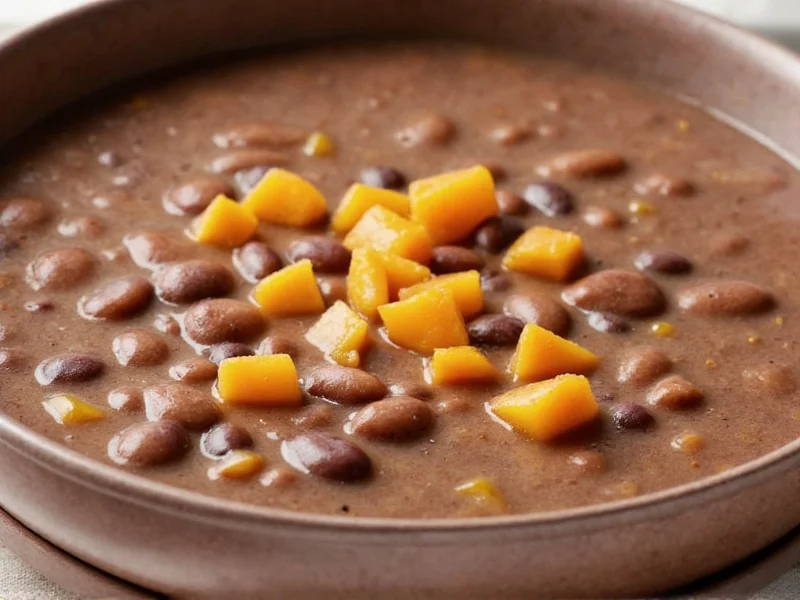
When searching for information about Panera's black bean soup, many people want to understand what makes this menu item special and how it compares to homemade versions. This comprehensive guide provides verified details about the soup's ingredients, nutritional profile, and preparation methods that capture its distinctive flavor.
Understanding Panera Black Bean Soup Composition
Panera's black bean soup stands out for its hearty texture and complex flavor profile. The soup features a base of black beans simmered with onions, garlic, bell peppers, and a blend of spices including cumin and oregano. Unlike some restaurant versions, Panera's recipe doesn't contain meat products, making it suitable for vegetarians. The soup achieves its signature thickness through a combination of pureed beans and whole beans, creating both creamy and chunky elements in every spoonful.
Nutritional Profile and Dietary Considerations
For health-conscious diners, Panera black bean soup nutrition facts reveal why it's considered one of the healthier menu options. A standard serving (16 fl oz bowl) contains:
| Nutrient | Amount per Serving | % Daily Value |
|---|---|---|
| Calories | 230 | 12% |
| Total Fat | 1.5g | 2% |
| Sodium | 960mg | 42% |
| Total Carbohydrates | 43g | 16% |
| Dietary Fiber | 10g | 36% |
| Protein | 11g | 22% |
The soup qualifies as naturally gluten-free and vegan, though customers should verify current ingredients as formulations may change. The high fiber content supports digestive health, while the protein makes it satisfying enough to serve as a light meal. The 960mg sodium content represents 42% of the American Heart Association's recommended daily limit of 2,300mg for healthy adults, and exceeds 60% of the ideal 1,500mg limit for hypertension management. This positions it as nutritionally valuable for general consumers but requiring portion modification for sodium-restricted diets. Source: American Heart Association
Nutritional Comparison: Panera vs. USDA Standard Homemade
Understanding restaurant versus home-prepared nutrition helps contextualize dietary choices. Analysis of USDA FoodData Central's standardized recipes reveals key differences:
| Nutrient | Panera (16oz) | Homemade (16oz, USDA Avg) | Practical Implication |
|---|---|---|---|
| Calories | 230 | 300 | Panera's controlled fat content yields 23% fewer calories |
| Sodium | 960mg | 550mg | Homemade versions typically contain 42% less sodium when prepared without added salt |
| Dietary Fiber | 10g | 12g | Home recipes often maximize fiber through unprocessed bean ratios |
| Protein | 11g | 14g | Homemade versions frequently include additional protein sources |
Source: USDA FoodData Central, Standard Reference for Black Bean Soup (FDC ID: 174083). View complete nutritional profile.
Seasonal Availability and Menu Status
Panera black bean soup availability varies by season and location. Historically, it has appeared as a seasonal offering during cooler months, though some regions feature it year-round. Unlike Panera's broccoli cheddar or tomato basil soups which are permanent menu items, the black bean version often rotates based on seasonal preferences. Before visiting a specific location, checking the current menu online provides the most accurate information about Panera black bean soup menu status.
Creating an Authentic Homemade Version
Many home cooks seek a Panera black bean soup copycat recipe that captures the restaurant's distinctive flavor. While exact recipes are proprietary, this tested version delivers remarkably similar results using accessible ingredients:
| Ingredient | Amount | Preparation Notes |
|---|---|---|
| Dried black beans | 1 cup, soaked overnight | Provides better texture than canned beans |
| Yellow onion | 1 large, diced | Forms flavor base |
| Bell peppers | 1 red, 1 green, diced | Essential for authentic Panera flavor profile |
| Garlic | 4 cloves, minced | Adds depth of flavor |
| Vegetable broth | 6 cups | Use low-sodium for better control |
| Ground cumin | 2 tsp | Key spice in Panera's version |
| Dried oregano | 1 tsp | Contributes earthy notes |
| Lime juice | 2 tbsp | Adds brightness at the end |
Preparation Method for Homemade Black Bean Soup
- Sauté onions, peppers, and garlic in olive oil until softened (about 8 minutes)
- Add soaked black beans, vegetable broth, cumin, and oregano
- Simmer covered for 1.5-2 hours until beans are tender
- Remove 2 cups of soup and puree until smooth
- Return puree to pot and stir to combine
- Add lime juice and adjust seasoning before serving
The critical step that mimics Panera's texture is partially pureeing the soup. This technique creates the signature combination of creamy base with whole beans for texture. For optimal results when making Panera black bean soup at home, allow the soup to rest for several hours before serving to let flavors fully develop.
Serving Suggestions and Customizations
To enhance your black bean soup experience, consider these serving options:
- Add a dollop of plain Greek yogurt or avocado for creaminess
- Garnish with fresh cilantro and a squeeze of lime
- Pair with cornbread or a simple green salad
- For added protein, include a side of grilled chicken
Those seeking a lower-sodium version of Panera black bean soup can reduce salt during preparation and use no-salt-added vegetable broth. The soup freezes well for up to three months, making it ideal for meal prep. Understanding how to store Panera black bean soup properly extends its shelf life when purchased from the restaurant.




 浙公网安备
33010002000092号
浙公网安备
33010002000092号 浙B2-20120091-4