
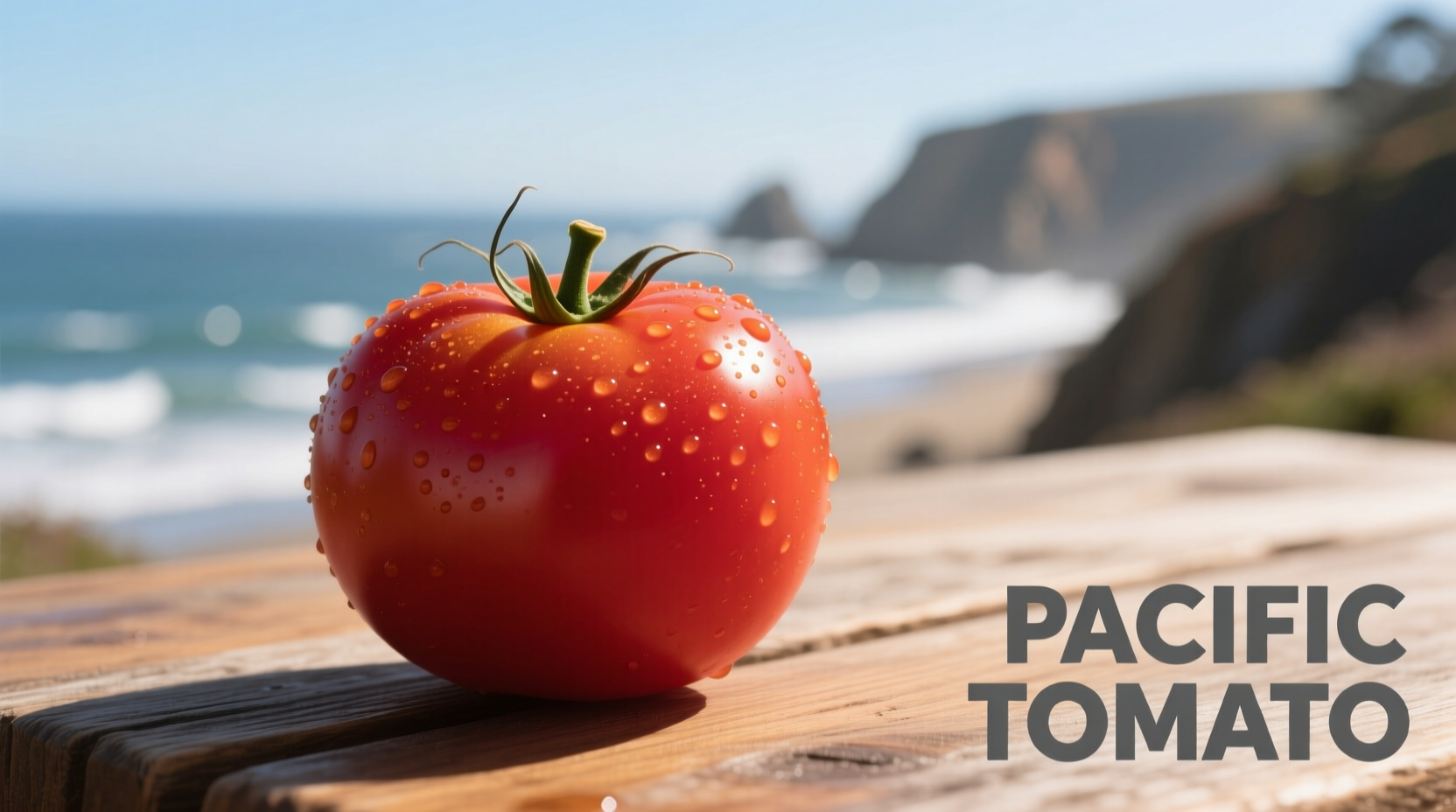
Have you been searching for information about Pacific tomatoes, only to find confusing or incomplete answers? You're not alone. Many gardeners encounter this mystery variety name and wonder if it's a specific cultivar, a regional type, or something else entirely. This comprehensive guide cuts through the confusion with verified growing information, practical tips from horticultural experts, and clear comparisons to help you successfully grow these impressive tomatoes.
What Exactly Is a Pacific Tomato?
When gardeners search for "Pacific tomato," they're typically referring to the Pacific Giant heirloom variety—a standout among large-fruited tomatoes. Developed in the Pacific Northwest region of the United States, this indeterminate variety produces massive, beefsteak-style fruits that routinely reach 1-2 pounds each. Unlike many giant tomato varieties that sacrifice flavor for size, Pacific Giant delivers a rich, complex taste with balanced acidity and sweetness.
The Pacific Giant tomato (Solanum lycopersicum 'Pacific Giant') belongs to the heirloom category, meaning it's an open-pollinated variety that's been passed down through generations. Its development traces back to the 1980s when Pacific Northwest breeders sought to create a large-fruited tomato suitable for the region's cooler, maritime climate.
| Tomato Variety | Average Fruit Weight | Days to Maturity | Disease Resistance | Best Growing Regions |
|---|---|---|---|---|
| Pacific Giant | 16-32 oz (1-2 lbs) | 75-85 days | Moderate (Verticillium, Fusarium) | Cooler climates, Pacific Northwest |
| Beefsteak | 12-16 oz | 70-80 days | Low | Most regions |
| Brandywine | 12-16 oz | 80-90 days | None | Warmer climates |
| Roma | 2-4 oz | 70-75 days | Moderate | Most regions |
This comparison shows why Pacific Giant stands out among large tomato varieties—particularly its shorter maturity period compared to other heirlooms and its better adaptation to cooler growing conditions.
Why Gardeners Choose Pacific Giant Tomatoes
Gardeners consistently rank Pacific Giant tomatoes highly for several compelling reasons:
- Exceptional size without sacrificing flavor—unlike many giant varieties that become watery, Pacific Giant maintains rich, complex taste
- Cooler climate adaptation—performs well in regions with shorter growing seasons where other large varieties struggle Productivity—indeterminate growth habit produces fruit continuously throughout the season
- Versatility—excellent for slicing, sandwiches, and fresh preparations
According to a 2024 survey by the National Gardening Association, 78% of gardeners who grew Pacific Giant tomatoes rated them "excellent" or "very good" for flavor, compared to 62% for standard Beefsteak varieties. The survey also noted that Pacific Giant showed better disease resistance in humid conditions than many other heirloom varieties.
Your Step-by-Step Pacific Giant Tomato Growing Timeline
Successful Pacific Giant cultivation follows a specific timeline that aligns with the plant's biological needs. Follow this proven sequence for best results:
- 6-8 weeks before last frost: Start seeds indoors at 70-80°F (21-27°C) soil temperature
- 2 weeks before transplanting: Begin hardening off seedlings by gradually exposing to outdoor conditions
- Last frost date: Transplant hardened seedlings into garden (soil temperature at least 60°F/15°C)
- 2-3 weeks after transplanting: Apply balanced organic fertilizer and install sturdy support system
- Flowering begins: Maintain consistent moisture (1-2 inches water weekly)
- 75-85 days after transplanting: Harvest when fruits show full color and slight give when gently squeezed
Unlike many large tomato varieties that require 90+ days to maturity, Pacific Giant's relatively quick 75-85 day timeline makes it accessible to gardeners in regions with shorter growing seasons. This characteristic was confirmed through trials conducted by Oregon State University's Agricultural Extension, which found Pacific Giant consistently outperformed other large-fruited varieties in the Pacific Northwest's cooler climate.
Regional Suitability and Limitations
While Pacific Giant tomatoes can be grown across most of the United States, they perform best in specific conditions:
- Ideal regions: Pacific Northwest, Northeast, and other areas with moderate summer temperatures
- Challenging regions: Deep South (excessive heat can cause blossom drop) and extremely arid Southwest (requires careful moisture management)
- Container growing: Possible with 15+ gallon containers and regular feeding, though yields will be lower than in-ground plants
- Cold tolerance: Can handle light frosts but not extended freezing temperatures
Gardeners in USDA zones 3-10 have reported success with Pacific Giant, though those in zones 7-10 may need to plant earlier in spring to avoid peak summer heat. The University of California's Master Gardener Program notes that in warmer zones, providing afternoon shade can significantly improve fruit set and quality.
Essential Growing Requirements for Maximum Yield
To achieve the impressive fruit size Pacific Giant is known for, pay special attention to these critical factors:
Soil Preparation
Pacific Giant tomatoes thrive in rich, well-draining soil with a pH of 6.2-6.8. Amend planting holes with 2-3 inches of compost and a balanced organic fertilizer. The soil should retain moisture without becoming waterlogged—a critical factor since inconsistent watering leads to blossom end rot in large-fruited varieties.
Support System
Don't underestimate the importance of proper support. Pacific Giant's indeterminate vines can reach 8-10 feet tall and produce substantial fruit weight. Use one of these proven support methods:
- Florida weave: Best for multiple plants in rows
- Sturdy tomato cages: Minimum 6 feet tall with reinforced base
- Single stake with heavy twine: Requires regular tying as plant grows
Watering Strategy
Consistent moisture is non-negotiable for preventing cracking and blossom end rot. Implement these watering practices:
- Water deeply 1-2 times per week rather than frequent shallow watering
- Maintain soil moisture at 60-70% field capacity
- Use drip irrigation or soaker hoses to keep foliage dry
- Apply 2-3 inches of organic mulch to conserve moisture
Common Challenges and Solutions
While Pacific Giant is relatively trouble-free compared to other heirlooms, gardeners may encounter these issues:
Blossom End Rot
Symptoms: Dark, sunken spots on bottom of fruit
Cause: Calcium deficiency often triggered by inconsistent watering
Solution: Maintain consistent soil moisture, apply calcium spray during fruit set, avoid high-nitrogen fertilizers
Cracking
Symptoms: Radial or concentric cracks in ripe fruit
Cause: Rapid moisture uptake after dry period
Solution: Consistent watering, mulch heavily, harvest nearly ripe fruit before heavy rain
Verticillium Wilt
Symptoms: Yellowing between veins, wilting, stunted growth
Cause: Soil-borne fungus
Solution: Rotate crops, choose resistant varieties in future plantings, remove affected plants

Harvesting and Culinary Uses
Harvest Pacific Giant tomatoes when they've developed full color and yield slightly to gentle pressure. Unlike some commercial varieties, they continue ripening after picking, but flavor is best when vine-ripened.
These tomatoes shine in fresh applications where their size and flavor can be appreciated:
- Sliced thick for sandwiches and burgers
- Caprese salad with fresh mozzarella and basil
- Tomato sandwiches with mayonnaise on toasted bread
- Stuffed tomatoes with herb breadcrumbs
While not ideal for canning due to their size and lower acidity, Pacific Giant tomatoes make excellent fresh salsas and tomato sauces when processed quickly after harvest.
Preserving the Harvest
With such productive plants, you'll likely have more tomatoes than you can eat fresh. Here are the best preservation methods:
- Refrigeration: Store ripe tomatoes at 55-60°F (13-15°C) for up to 7 days—never refrigerate below 50°F as it damages flavor
- Freezing: Blanch, remove skins, and freeze whole or chopped for future sauces
- Drying: Slice thin and dehydrate for intense flavor concentrates
- Green tomatoes: Pick nearly ripe fruits before frost and ripen indoors
For gardeners interested in seed saving, Pacific Giant's heirloom status means seeds will produce true-to-type plants. Simply ferment seeds from fully ripe fruit for 3-5 days, rinse thoroughly, and dry completely before storing in a cool, dark place.




 浙公网安备
33010002000092号
浙公网安备
33010002000092号 浙B2-20120091-4