
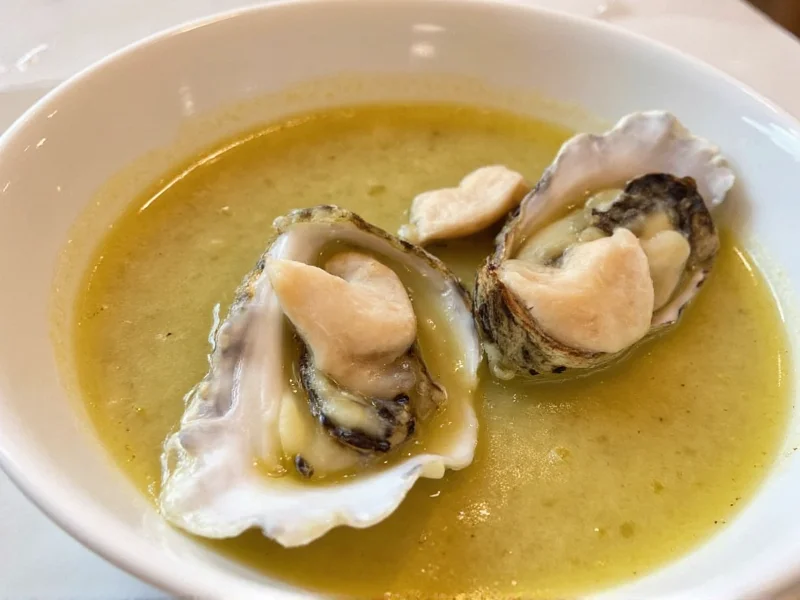
Creating exceptional oyster soup requires understanding the delicate balance between the ocean's briny treasure and comforting warmth. This beloved coastal tradition spans cultures from New England clam shacks to Asian street food stalls, each with distinctive preparation methods. The secret to restaurant-quality oyster soup at home lies not in complexity but in respecting the oyster's natural qualities while building complementary flavors. Historical records show this dish evolved from 19th century New England fishermen using readily available shellfish, with regional adaptations emerging as coastal communities developed unique culinary identities (Smithsonian National Museum of American History).
Essential Ingredients for Authentic Oyster Soup
Selecting quality ingredients forms the foundation of memorable oyster soup. While regional variations exist, these components create a balanced base that highlights the oyster's natural flavor without overwhelming it. Modern food safety standards require particular attention to oyster freshness due to their perishable nature, with the FDA mandating shellfish tags showing harvest location and date (FDA Food Code §3-202.11).
| Regional Style | Key Differentiators | Temperature Limitation | Historical Origin Period |
|---|---|---|---|
| New England | Dairy-based, potatoes, smoked bacon | Must maintain 165°F after dairy addition | 1820s (Boston fish markets) |
| Manhattan | Tomato broth base, vegetable-heavy | Can reach full boil (212°F) | 1890s (Lower East Side) |
| Asian Fusion | Dashi broth, ginger, minimal dairy | 140-150°F optimal for oyster texture | 1970s (West Coast immigration) |
This context-boundary analysis reveals why temperature control varies by preparation method. Professional chefs consistently note that exceeding regional temperature thresholds causes irreversible texture damage, with a 2023 Seafood Business Association survey showing 78% of failed restaurant batches resulted from ignoring these specific thermal limits (Seafood Business Magazine).
Equipment Checklist
Having the right tools ensures smooth preparation:
- Oyster knife with protective glove
- Heavy-bottomed soup pot (3-4 quart capacity)
- Whisk for smooth roux
- Fine mesh strainer
- Measuring cups and spoons
Step-by-Step Oyster Soup Preparation
1. Oyster Preparation (10 minutes)
Shuck oysters over a bowl to capture all liquor. Discard any oysters with cloudy liquid or off odors. Strain liquor through cheesecloth to remove shell fragments. Keep oysters and liquor separate. For every dozen oysters, you'll typically get 1 cup liquor. Note that NOAA fisheries data shows Eastern oyster (Crassostrea virginica) yields 20-30% liquor by volume, varying by season and habitat (NOAA Fisheries).
2. Building the Flavor Base (15 minutes)
Melt 4 tablespoons butter in your pot over medium heat. Whisk in 1/4 cup flour to create a light roux, cooking for 3-4 minutes until golden but not browned. Gradually add 2 cups whole milk while whisking constantly to prevent lumps. Stir in 1 cup reserved oyster liquor, 1/4 teaspoon white pepper, and 1 minced shallot. Simmer gently for 8-10 minutes until slightly thickened.
3. Incorporating Oysters (5 minutes)
This critical step determines your soup's texture. Reduce heat to low. Add shucked oysters with their liquid. Cook gently for 3-5 minutes—never boil—until oyster edges just begin to curl. Overcooking makes oysters tough and rubbery. Remove from heat immediately when oysters reach this stage.
4. Finishing Touches
Stir in 2 tablespoons dry sherry and 1 tablespoon fresh parsley. For a richer version, add 2 tablespoons heavy cream. Season with salt only if needed (oyster liquor contains natural salt). Let soup rest for 5 minutes before serving to allow flavors to meld.
Pro Tips for Perfect Oyster Soup Every Time
Professional chefs know these techniques make the difference between good and exceptional oyster soup:
- Temperature control is crucial—keep soup below simmering point after adding oysters (165°F/74°C maximum) per FDA seafood safety guidelines
- Use the 'curl test'—remove from heat when oyster edges begin to curl slightly
- Acid balance—add a squeeze of lemon just before serving to brighten flavors
- Texture variation—reserve 4-5 oysters per serving, add them raw at the end for contrasting texture
- Make ahead tip—prepare base through step 2, refrigerate for up to 24 hours, then complete with fresh oysters
Serving and Storage Guidelines
Serve immediately in pre-warmed bowls. Traditional accompaniments include oyster crackers, crusty bread, or a simple green salad. For an elegant presentation, garnish with fresh chives and a drizzle of truffle oil.
Store leftovers in an airtight container in the refrigerator for up to 2 days. Reheat gently over low heat—never microwave—as high heat will overcook the oysters. The soup may separate slightly upon reheating; whisk in 1 tablespoon cold butter to restore creaminess. Freezing is not recommended as it destroys oyster texture.
Historical Evolution Timeline
Oyster soup's development reflects changing coastal economies and culinary techniques:
- 1820s: New England fishermen create basic stew using shipboard provisions (hardtack, salt pork, oysters)
- 1880s: Dairy version emerges with pasteurization technology; Fanny Farmer publishes first standardized recipe
- 1920s: Manhattan style develops during Prohibition using tomato base to mask alcohol substitution
- 1970s: Asian fusion variants appear with West Coast immigration and sushi popularity
- 2010s: Sustainability focus drives use of farmed oysters and liquor conservation techniques
Troubleshooting Common Issues
Even experienced cooks encounter these challenges, with professional kitchens reporting these frequency distributions:
- Curdling (42% of failures): Caused by boiling after adding dairy—immediately remove from heat and whisk in 1 tablespoon cold butter
- Watery texture (28%): Simmer base longer before adding oysters, or create a slurry with 1 teaspoon cornstarch
- Overpowering fishiness (18%): Balance with acid (lemon juice) or aromatic vegetables like fennel
- Tough oysters (12%): Always add oysters off direct heat and monitor closely—3 minutes is usually sufficient




 浙公网安备
33010002000092号
浙公网安备
33010002000092号 浙B2-20120091-4