
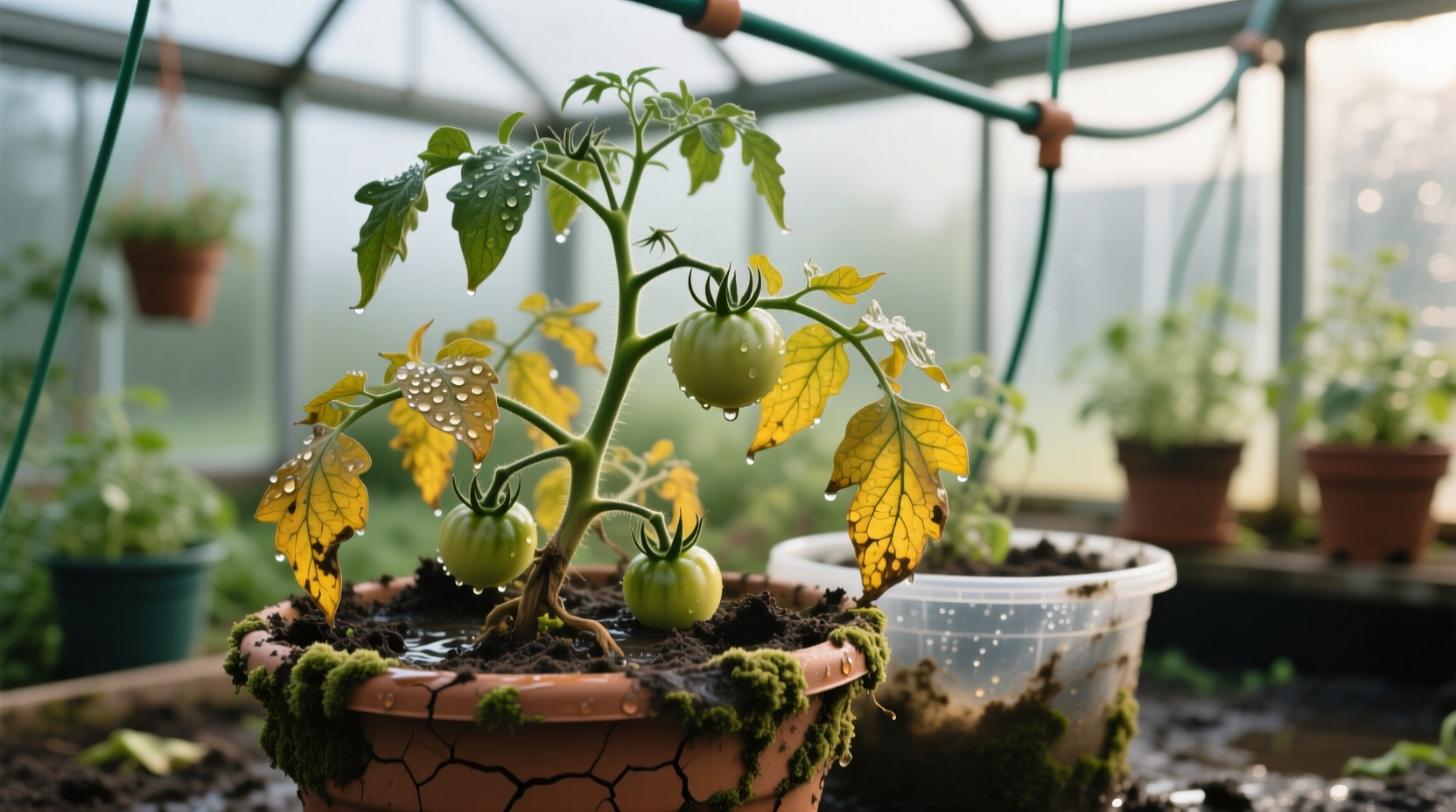
Overwatered tomato plants show yellowing leaves, wilting despite wet soil, leaf curling, and stunted growth. Immediate action—stopping watering, improving drainage, and allowing soil to dry—can save most affected plants within 7-14 days if root rot hasn't advanced too far.
How to Identify and Rescue Your Overwatered Tomato Plants
If your tomato plants look sick despite regular watering, you're likely dealing with overwatering—the most common mistake new gardeners make. Unlike underwatering, which shows crisp, dry leaves, overwatered tomatoes display deceptively similar symptoms like wilting, but with crucial differences you can spot immediately.Spot the True Signs of Overwatering
Many gardeners misdiagnose overwatering as underwatering because both cause wilting. This critical distinction determines whether you should water more or stop watering entirely:| Symptom | Overwatered Plants | Underwatered Plants | Healthy Plants |
|---|---|---|---|
| Leaves | Yellow, limp, may develop blisters | Brown, crispy edges | Vibrant green, firm |
| Soil Condition | Soggy, water pools on surface | Dry, pulls away from container edges | Moist 1-2 inches down |
| Stem Base | Mushy, brown discoloration | Firm, consistent color | Sturdy, no discoloration |
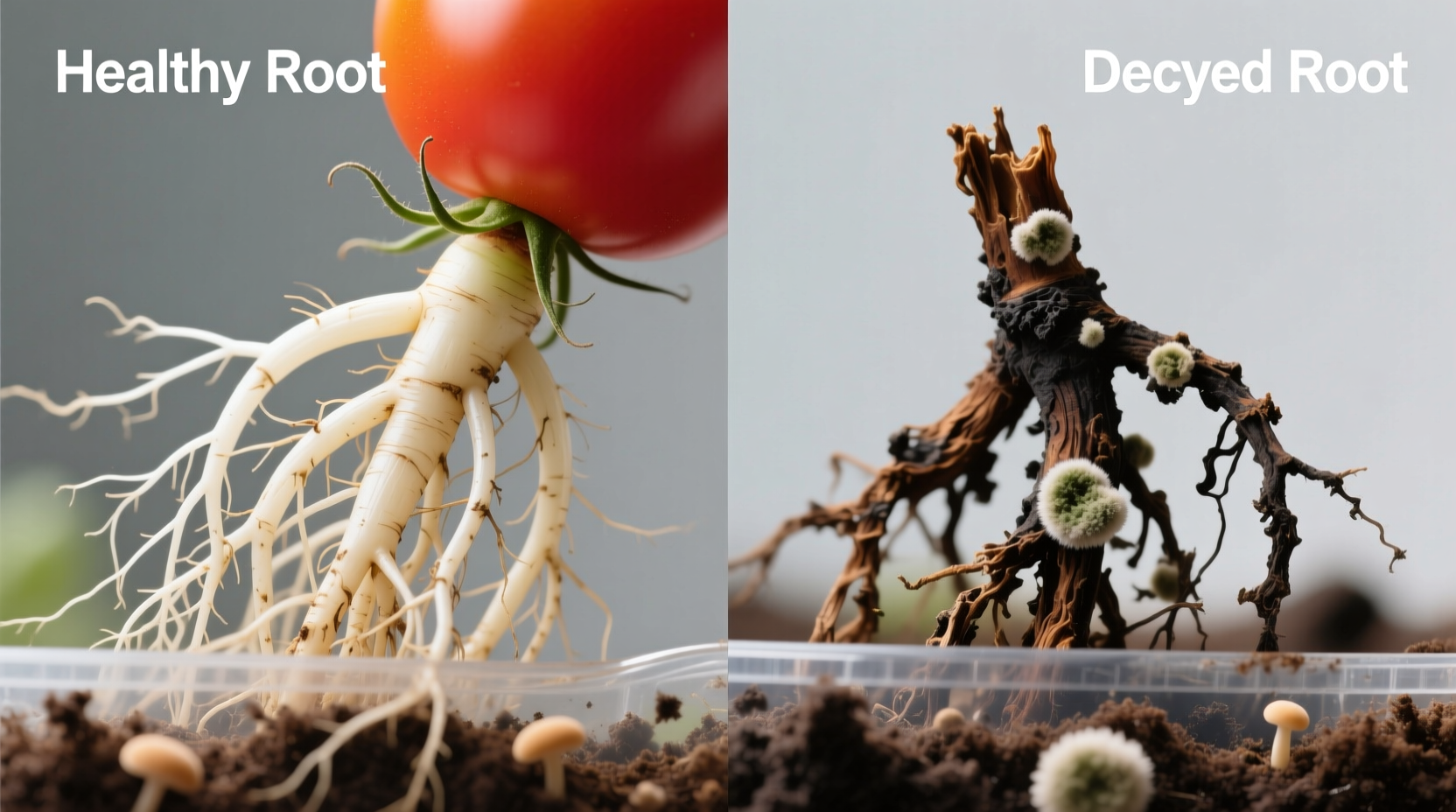
| Root Inspection | Black, slimy, foul odor | White, firm, earthy smell | White to light tan, fibrous |
Immediate Rescue Protocol: Day 1 Actions
When you confirm overwatering, take these steps immediately:- Stop all watering—no exceptions, even if plants look wilted
- Create drainage channels using a chopstick to poke 4-5 holes around the plant base
- Remove mulch temporarily to accelerate soil drying
- Cut affected leaves but preserve at least 50% of healthy foliage
- Elevate containers using pot feet to improve airflow beneath
Recovery Timeline: What to Expect Week by Week
Your plant's recovery follows a predictable pattern if you've caught the problem early:- Days 1-3: Soil surface dries, yellowing may worsen temporarily as plant adjusts
- Days 4-7: New growth appears, wilting reduces by 50% if roots remain viable
- Days 8-14: Full recovery with proper care; resume watering only when top 2 inches of soil feel dry
- After 14 days: Resume normal feeding schedule with balanced fertilizer
When Recovery Isn't Possible: Critical Boundaries
Not all overwatered plants can be saved. Recognize these irreversible conditions:- More than 70% of roots appear black and mushy
- Entire lower stem has turned brown and soft
- Foul sulfur smell emanates from soil
- No new growth after 10 days of proper drying
Prevention System: Watering Like a Professional
Implement these evidence-based practices to prevent future overwatering:- Soil moisture check: Insert finger 2 inches deep—water only if dry at that depth
- Morning watering: Always water before 10 AM to allow foliage drying
- Drip irrigation: Target roots directly, avoiding leaf contact
- Container drainage: Ensure pots have minimum 1/2 inch drainage holes
- Rain adjustment: Skip watering for 3 days after significant rainfall
Advanced Recovery Techniques for Severe Cases
For plants with moderate root damage but not yet terminal:- Hydrogen peroxide treatment: Mix 1 tablespoon 3% H₂O₂ with 1 quart water and apply to soil to oxygenate roots
- Beneficial microbes: Introduce mycorrhizal fungi to damaged root systems
- Pruning strategy: Remove 30% of foliage to reduce water demand while roots recover
- Temporary shading: Use 30% shade cloth for 3 days to reduce transpiration stress
Long-Term Soil Health for Water-Resilient Plants
Prevent future overwatering issues by improving your soil structure:- Add 3 inches of compost annually to increase drainage
- Mix perlite (20% by volume) into container soils
- Use raised beds (6-8 inches high) for garden plantings
- Test soil drainage: Dig hole, fill with water—should drain within 1-2 hours




 浙公网安备
33010002000092号
浙公网安备
33010002000092号 浙B2-20120091-4