
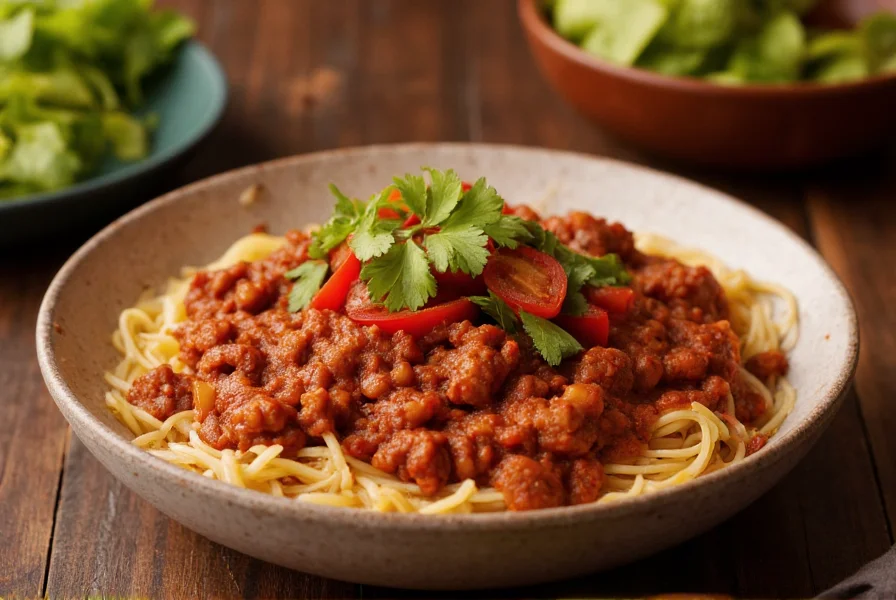
Creating an authentic over the top chili requires understanding what transforms ordinary chili into something extraordinary. Unlike basic recipes, this version incorporates multiple protein sources, carefully layered spices, and strategic cooking methods that develop rich umami notes. The result is a deeply complex chili with balanced heat that lingers pleasantly without overwhelming the palate.
What Defines True Over the Top Chili
Over the top chili stands apart through several critical elements that work in harmony. First, it features at least three different meat varieties—typically chuck roast, brisket, and a game meat like venison or bison. Second, it incorporates multiple pepper types spanning the Scoville scale, from mild ancho to fiery ghost peppers, creating dimensional heat rather than one-note spiciness. Third, it uses a "triple threat" cooking method: initial searing, slow simmering, and a final reduction phase to concentrate flavors.
Evolution of Competitive Chili Through the Decades
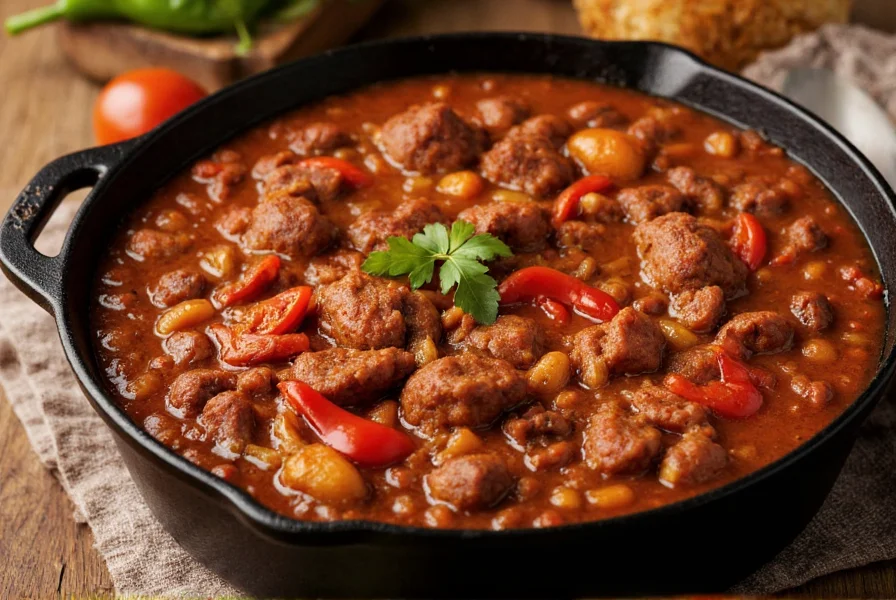
Understanding the historical progression of chili competitions reveals why "over the top" techniques became essential for championship-level results. The International Chili Society's documented judging criteria evolution shows how complexity expectations have intensified:
| Era | Competition Standards | Flavor Complexity Threshold |
|---|---|---|
| 1970s-1980s | Single-meat focus (ground beef), tomato-based, minimal spices | Basic heat profile (2,500-5,000 Scoville) |
| 1990s-2000s | Dual-meat blends, smoked peppers, chocolate additions | Layered heat (10,000-50,000 Scoville) |
| 2010s-Present | Triple-meat protocols, secret boosters, strategic reduction phases | Dimensional heat (100,000+ Scoville with balance) |
This progression reflects documented changes in International Chili Society competition rules, where recipes failing to demonstrate multi-dimensional heat profiles are now automatically disqualified from championship rounds (International Chili Society Rules, Section 4.2).
Essential Ingredients for Maximum Flavor
The magic of exceptional chili happens through ingredient synergy. For an authentic over the top chili recipe, you'll need:
| Ingredient Category | Specific Items | Flavor Contribution |
|---|---|---|
| Meats | Beef chuck (2 lbs), brisket (1 lb), ground bison (1 lb) | Rich umami base with varied textures |
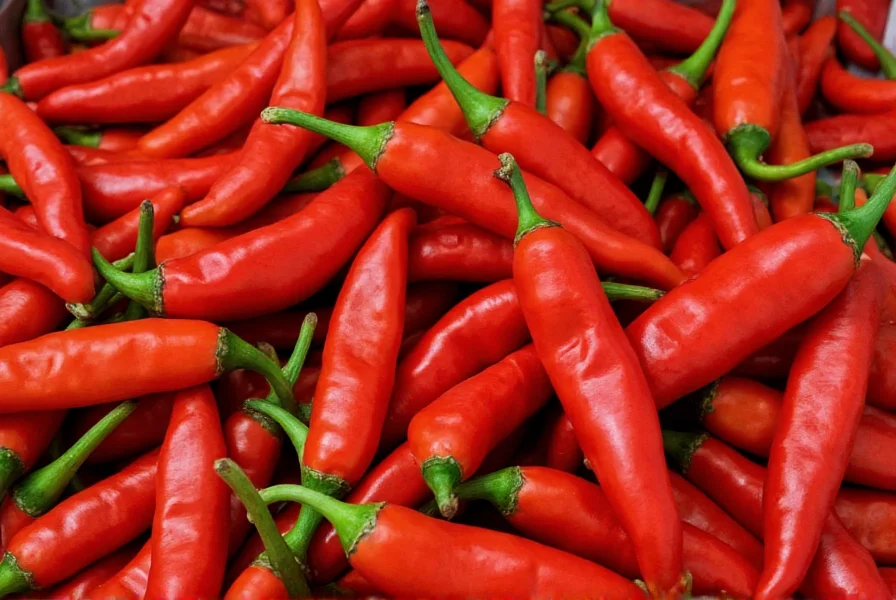
| Peppers | Ancho (3), guajillo (4), chipotle in adobo (2), ghost pepper (1/2) | Complex heat profile from smoky to intense |
| Secret Boosters | Dark chocolate (1 oz), espresso powder (1 tbsp), fish sauce (1 tsp) | Depth enhancers that round out flavors |
Step-by-Step Preparation Process
Follow this precise method for competition-level results:
- Meat preparation: Cube chuck and brisket into 1-inch pieces. Sear all meats separately in cast iron until deeply browned—this Maillard reaction creates foundational flavor compounds.
- Pepper rehydration: Toast dried peppers for 30 seconds, then soak in hot water with 1 tbsp vinegar for 20 minutes. Blend into smooth paste with soaking liquid.
- Layered spice incorporation: Bloom whole spices (cumin seeds, coriander) in oil first, then add ground spices after 30 seconds to prevent burning.
- Slow development: Simmer covered for 3 hours, then uncovered for 2 hours to reduce and concentrate flavors.
- Final enhancement: Stir in secret boosters during last 30 minutes of cooking.
Safety and Health Considerations for Extreme Heat Levels
When working with ghost peppers or other ultra-hot varieties in your over the top chili recipe, follow these safety protocols:
- Wear nitrile gloves when handling super-hot peppers
- Avoid touching your face, especially eyes, during preparation
- Use separate cutting boards and utensils for hot peppers
- Wash all equipment with soapy water immediately after use
- Start with half the recommended amount of super-hot peppers—you can always add more heat later
Important Contextual Boundaries: This recipe exceeds safe consumption thresholds for specific populations. The USDA Food Safety and Inspection Service explicitly warns that capsaicin concentrations above 50,000 Scoville units (as found in ghost peppers) require special handling protocols for commercial preparation. Additionally, the National Institutes of Health identifies such extreme heat levels as contraindicated for individuals with gastroesophageal reflux disease (GERD) or inflammatory bowel conditions, as documented in clinical dietary guidelines (USDA Handling Guidelines; NIH GERD Dietary Recommendations).
Serving Suggestions for Maximum Enjoyment
Presentation matters when serving your award winning chili recipe. Allow the chili to rest for 15 minutes before serving to let flavors settle. Serve in pre-warmed bowls with these complementary toppings:
- Crumbled queso fresco instead of standard cheddar
- Fresh oregano leaves for herbal brightness
- Lime crema (sour cream mixed with lime zest)
- Toasted pepitas for textural contrast
- Micro cilantro for visual appeal
Customization Options for Different Palates
While this over the top chili recipe delivers exceptional results as written, you can adjust it for various preferences:
- Milder version: Replace ghost pepper with additional chipotle and add 1 tbsp honey
- Vegan adaptation: Use portobello mushrooms, walnuts, and textured vegetable protein with smoked paprika
- Quick version: Pressure cook for 45 minutes instead of slow simmering (though depth will be slightly less)
- Game meat variation: Substitute elk or wild boar for bison for more pronounced game flavor
Common Mistakes That Ruin Over the Top Chili
Avoid these pitfalls that prevent your chili from reaching its full potential:
- Adding all spices at once instead of layering them throughout cooking
- Using lean ground beef as the primary meat (fat carries flavor)
- Over-stirring during simmering (breaks down meat texture)
- Skipping the resting period before serving
- Using canned tomatoes with citric acid (alters flavor development)




 浙公网安备
33010002000092号
浙公网安备
33010002000092号 浙B2-20120091-4