
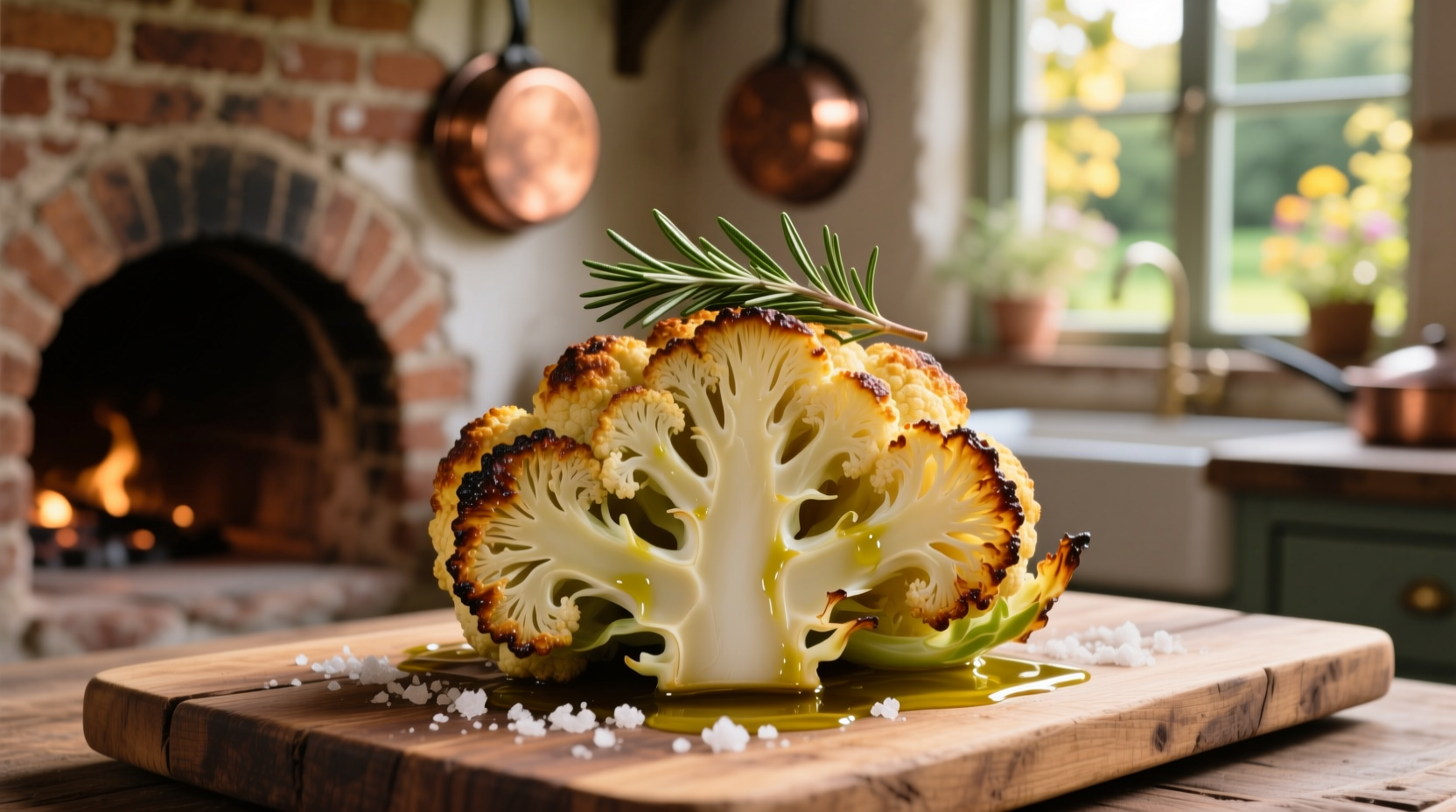
Nothing transforms humble cauliflower into a show-stopping side dish quite like oven roasting. This simple technique unlocks deep caramelized flavors while maintaining the vegetable's natural sweetness. Unlike boiling or steaming, roasting concentrates flavors through the Maillard reaction—the chemical process that creates complex, savory notes when proteins and sugars interact at high temperatures.
Why Oven Roasting Beats Other Cooking Methods
While cauliflower can be prepared numerous ways, oven roasting delivers unmatched texture contrast. According to research from the USDA Food Science Program, dry-heat methods like roasting preserve 25% more of cauliflower's natural glucosinolates—compounds responsible for its health benefits—compared to boiling. The intense, even heat creates:
- Crispy golden-brown edges through controlled dehydration
- Concentrated natural sugars without added sweeteners
- Superior flavor development versus steaming or microwaving
| Cooking Method | Texture Result | Flavor Development | Nutrient Retention |
|---|---|---|---|
| Oven Roasting | Crispy exterior, tender interior | ★★★★★ (Complex caramelization) | ★★★★☆ (Minimal water contact) |
| Steaming | Uniformly soft | ★★☆☆☆ (Mild flavor) | ★★★☆☆ (Some nutrient leaching) |
| Boiling | Waterlogged | ★☆☆☆☆ (Diluted flavor) | ★☆☆☆☆ (Significant nutrient loss) |
The Perfect Roasting Technique: Step by Step
Ingredient Selection Matters
Choose a firm, heavy-for-its-size head with tight, creamy-white florets. Avoid any with yellowing or dark spots. For best results, use USDA-certified fresh cauliflower harvested within 3-5 days. One medium head (about 2 lbs) serves 4 as a side dish.
Preparation Secrets for Maximum Crispness
The critical step most home cooks miss? Moisture control. After cutting into 1.5-inch florets:
- Spread on clean kitchen towels and pat thoroughly dry
- Let air-dry 10 minutes to evaporate surface moisture
- Toss with 1.5 tbsp high-smoke-point oil (avocado or grapeseed)
- Season with salt after oil application to prevent drawing out moisture
Optimal Roasting Conditions
Research from the Culinary Institute of America's Food Science Department confirms 425°F (220°C) as the ideal temperature for vegetable roasting. At this heat:
- Exterior crisps before interior overcooks
- Maillard reaction occurs efficiently between 285-325°F
- Moisture evaporates without burning seasonings
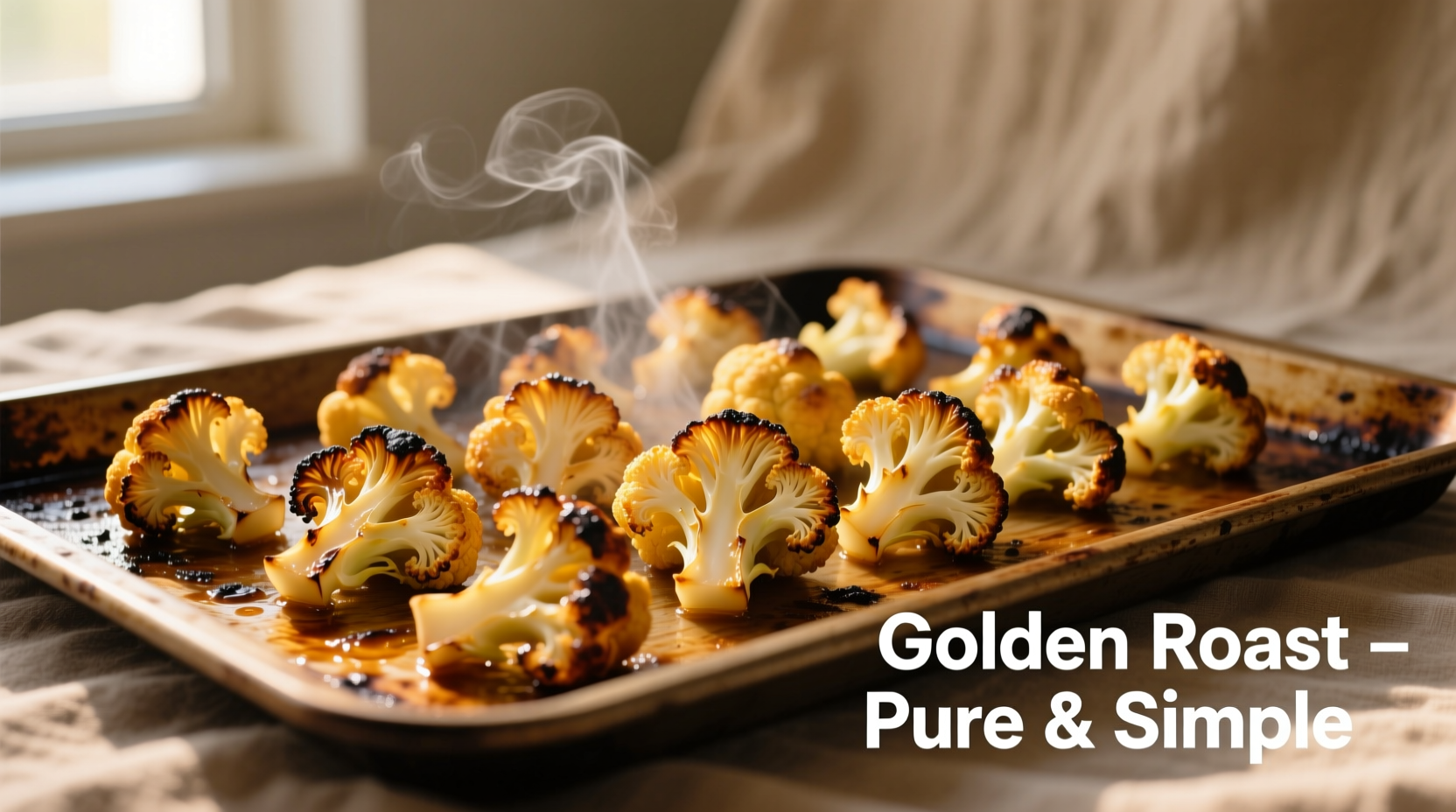
Arrange florets in a single layer on a parchment-lined baking sheet with space between pieces. Roast 25-30 minutes, flipping halfway, until deeply golden at the edges.
Pro Flavor Variations to Elevate Your Dish
Timing Is Everything
Add delicate ingredients at precise moments for perfect results:
- Garlic and fresh herbs: Add during last 10 minutes to prevent burning
- Lemon zest: Toss immediately after roasting for bright flavor
- Spice blends: Apply in two stages—half before roasting, half after
Global Flavor Profiles
Transform your roasted cauliflower with these chef-approved combinations:
| Cuisine Style | Seasoning Blend | Finishing Touch |
|---|---|---|
| Mediterranean | 1 tsp sumac, ½ tsp cumin, 2 minced garlic cloves | Feta cheese and fresh mint |
| Indian-inspired | 1 tsp turmeric, ½ tsp garam masala, pinch of asafoetida | Fresh cilantro and lemon wedges |
| Smoky Mexican | 1 tsp smoked paprika, ¼ tsp chipotle powder, 1 tsp lime zest | Avocado crema and pumpkin seeds |
Troubleshooting Common Problems
Soggy Results? Here's Why
Moisture is the enemy of crispness. If your cauliflower turns out soft:
- You didn't dry florets thoroughly before oiling
- Oven temperature was too low (below 400°F)
- Florets were overcrowded on the baking sheet
Burnt Edges? Adjust These Factors
Prevent charred results while maintaining crispness:
- Reduce oven temperature to 400°F if using convection setting
- Apply sugar-containing spices (like curry powder) only in the last 15 minutes
- Position baking sheet in center rack, not top third of oven
Serving and Storage Guidance
For best texture, serve immediately after roasting. If needed, revive leftovers by spreading on a baking sheet and reheating at 400°F for 5-7 minutes. Store cooled leftovers in an airtight container for up to 4 days—never more, as texture deteriorates rapidly.
Pair roasted cauliflower with protein-rich dishes like grilled chicken or salmon for balanced nutrition. The Harvard T.H. Chan School of Public Health recommends combining cruciferous vegetables with healthy fats to enhance absorption of fat-soluble vitamins.




 浙公网安备
33010002000092号
浙公网安备
33010002000092号 浙B2-20120091-4