
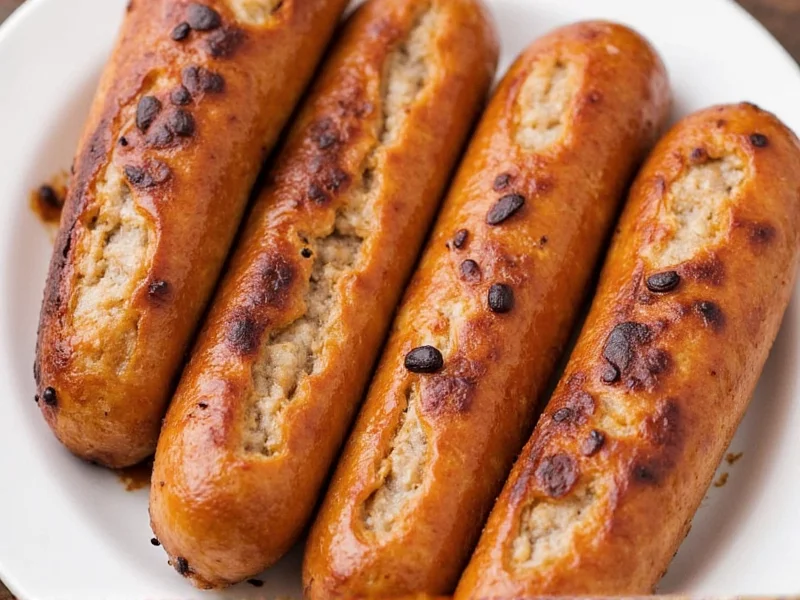
Why Oven Baking Beats Other Cooking Methods
Many home cooks wonder whether baking sausage links in the oven delivers better results than pan-frying or grilling. The oven method provides several distinct advantages for preparing sausage links:
- Consistent cooking - Even heat distribution eliminates hot spots that cause uneven browning
- Hands-off preparation - No need to constantly turn sausages while they cook
- Reduced mess - Minimal splattering compared to stovetop methods
- Better fat rendering - Gravity helps fat drip away from sausages for less greasy results
- Multitasking capability - Frees up stovetop space for other dishes
Selecting the Best Sausage Links for Oven Baking
Not all sausage links perform equally well when baked in the oven. For optimal results with oven baked sausage links, consider these factors when selecting your product:
- Freshness - Choose links with at least 3-4 days before the sell-by date
- Fat content - 20-30% fat ratio yields juiciest results (avoid extra-lean varieties)
- Casing type - Natural casings provide better snap and texture than collagen
- Size consistency - Uniform diameter ensures even cooking
Step-by-Step Guide to Perfect Oven Baked Sausage Links
Follow these detailed instructions for restaurant-quality oven baked sausage links every time:
Preparation Essentials
- Remove sausage links from refrigerator 15 minutes before cooking to take the chill off
- Preheat oven to 400°F (204°C) with rack positioned in the center
- Line a rimmed baking sheet with parchment paper or foil for easy cleanup
- Arrange sausages with at least 1 inch of space between each link
Cooking Process
- Place baking sheet in preheated oven
- Bake for 10 minutes, then carefully flip each sausage link using tongs
- Continue baking for another 10-15 minutes until fully cooked
- Check internal temperature with a meat thermometer (160°F/71°C)
| Diameter | Thickness | Total Baking Time | Internal Temp |
|---|---|---|---|
| 1 inch | Regular | 20-25 minutes | 160°F |
| 1.25 inches | Thick | 25-30 minutes | 160°F |
| 0.75 inches | Breakfast size | 15-20 minutes | 160°F |
Visual Indicators of Perfectly Cooked Sausage Links
While a meat thermometer provides the most accurate doneness check, these visual cues confirm your oven baked sausage links are ready:
- Golden brown exterior with slight blistering on the casing
- Firm texture that springs back when gently pressed
- No pink color visible when making a small slice
- Clear juices rather than pinkish liquid when pierced
Common Mistakes to Avoid When Baking Sausage Links
Even experienced cooks make these errors when preparing oven baked sausage links:
- Overcrowding the pan - Causes steaming instead of browning
- Skipping the flip - Results in uneven cooking and color
- Using too low temperature - Leads to dry, overcooked exteriors
- Pricking casings - Releases precious juices and causes dryness
- Not resting before serving - Juices escape when cut immediately
Contextual Boundaries: When Oven Baking Isn't Optimal
While oven baking excels for most sausage links, specific scenarios require alternative approaches. Understanding these limitations ensures optimal results:
- Charred flavor requirement - For sausages like chorizo where charred exterior is essential, grilling creates more intense Maillard reaction than oven baking. (Source: Harvard Science in the News)
- Pre-cooked sausages - Ready-to-eat varieties only need warming; oven baking dries them out. Steam or minimal pan reheating preserves moisture. (Source: USDA Sausages and Food Safety)
- Irregular shapes - Hand-stuffed or artisanal sausages require temperature checks in multiple spots per USDA guidelines to prevent undercooking. (Source: USDA Thermometer Basics)
Technical Comparison of Sausage Cooking Methods
Based on USDA food safety research, here's how oven baking compares to alternative methods for standard 1-inch pork sausage links:
| Method | Fat Reduction | Time Efficiency | Safety Reliability | Best Application |
|---|---|---|---|---|
| Oven Baking | High (15-20% fat rendered) | Moderate (20-30 min) | High (consistent 160°F) | Large batches, hands-off cooking |
| Pan-Frying | Low (5-10% fat rendered) | Quick (15-20 min) | Medium (hot spot risk) | Immediate sear, small batches |
| Grilling | Medium (10-15% fat rendered) | Moderate (15-25 min) | Medium (flare-up risk) | Outdoor cooking, smoky flavor |
Source: USDA Food Safety and Inspection Service, "Cooking Meat Safely" and "Safe Handling of Raw Sausages"
Flavor Enhancements for Oven Baked Sausage Links
Elevate your basic oven baked sausage links with these professional techniques:
- Dry rubs - Apply spice blends 30 minutes before baking for deeper flavor penetration
- Glazes - Brush with maple syrup, honey, or mustard during the last 5 minutes
- Aromatics - Roast with onions, peppers, or garlic for complementary flavors
- Braising finish - Transfer to simmering broth for 2-3 minutes for extra juiciness
Serving Suggestions and Storage Tips
Complete your oven baked sausage links meal with these recommendations:
- Serving - Let sausages rest 3-5 minutes before serving to retain juices
- Pairings - Serve with roasted potatoes, sauerkraut, or a fresh arugula salad
- Storage - Keep cooked sausages in airtight container for up to 4 days
- Reheating - Warm in 350°F oven for 8-10 minutes (avoid microwave)




 浙公网安备
33010002000092号
浙公网安备
33010002000092号 浙B2-20120091-4