
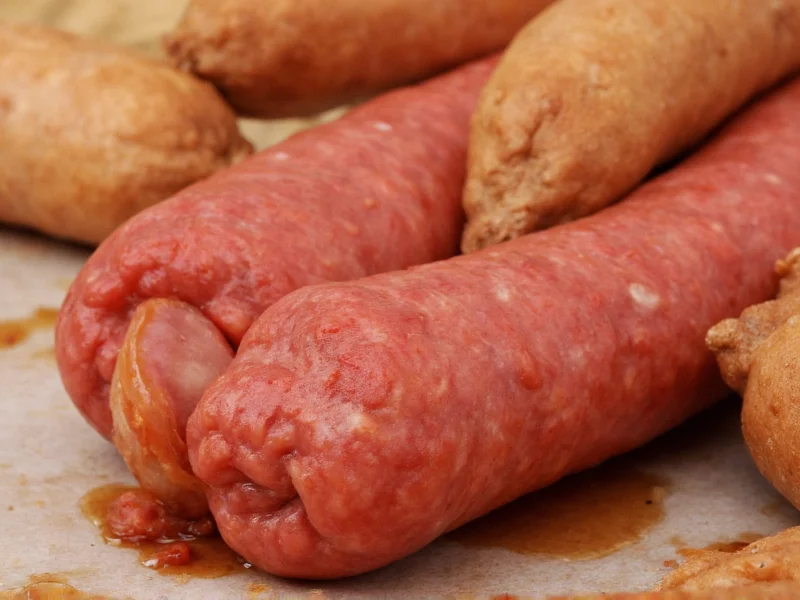
When searching for information about Otto's sausage, consumers often seek clarity about this seemingly common but actually decentralized product name. Unlike nationally recognized sausage brands, "Otto's sausage" represents a collection of independently operated butcher shops and meat producers, primarily following German culinary traditions. These establishments share naming conventions due to the prevalence of "Otto" as a traditional German name among early European immigrants who established meat businesses in America.
The German Sausage Tradition Behind Otto's Sausage
The name "Otto" in sausage production connects directly to Germany's rich wurst-making heritage. German immigrants brought their sausage-making expertise to America beginning in the 19th century, establishing butcher shops that often incorporated their first names into business titles. This naming convention created numerous "Otto's Sausage" establishments across regions with significant German-American populations including Wisconsin, Ohio, Pennsylvania, and Texas.
Traditional Otto's sausage varieties typically include:
- Bratwurst – Fresh pork or veal sausage seasoned with nutmeg, ginger, and white pepper
- Knockwurst – Short, thick smoked sausage with garlic flavoring
- Bockwurst – Fine-textured veal and pork sausage cooked in broth
- Thuringer – Smoked sausage with distinctive spice profile
- Bierwurst – Beer-infused sausage perfect for cooking with lager
Evolution of German Sausage Craft in America: Key Historical Milestones
The journey of "Otto"-branded sausages reflects broader patterns in American food history. Historical records from the Wisconsin Historical Society document how German meat traditions adapted across generations:
- 1848-1870: Post-revolution German immigrants established the first wave of family butcher shops, with "Otto"-named businesses appearing in Wisconsin and Ohio as early as 1852. These pioneers relied on ice houses and cellar storage before refrigeration.
- 1880s-1920: Railroad expansion enabled regional distribution. The 1891 Pure Food and Drug Act prompted early documentation of traditional recipes, though many "Otto" shops operated under local health department regulations rather than federal standards.
- 1933-1945: Prohibition's end revived beer-based recipes (like Bierwurst), while WWII rationing shifted production toward preserved varieties like smoked Thuringer. Many small butchers temporarily consolidated operations.
- 1980s-Present: The USDA's 1995 Food Safety and Inspection Service modernization created new hurdles for small producers, leading to a 40% decline in independent German-style butchers between 1990-2010. Recent artisanal food movements have spurred modest resurgence.
This evolution demonstrates how cultural preservation intersected with regulatory changes. As documented in Wisconsin Historical Society archives, family businesses maintained traditions through handwritten recipe books when industrial production dominated.
Identifying Authentic Otto's Style Sausage
When seeking genuine Otto's style sausage products, certain quality markers distinguish authentic preparations from mass-produced alternatives. Understanding these characteristics helps consumers find products that honor traditional methods while meeting contemporary quality expectations.
| Quality Indicator | Authentic Otto's Style | Mass-Produced Alternative |
|---|---|---|
| Meat Source | Named cuts of pork, veal, or beef from local sources | Generic "meat byproducts" or mechanically separated meats |
| Casings | Natural hog or sheep casings | Synthetic collagen or cellulose casings |
| Preservatives | Minimal nitrates, often celery powder as natural alternative | High levels of sodium nitrite and other chemical preservatives |
| Preparation Method | Hand-stuffed, small-batch production | Automated high-volume processing |
Culinary Applications for Traditional Otto's Sausage
Understanding proper preparation techniques maximizes the flavor potential of authentic Otto's style sausages. Unlike pre-cooked commercial varieties, traditionally made sausages benefit from specific cooking methods that preserve their delicate textures and complex flavors.
For fresh bratwurst varieties, the traditional German preparation involves parboiling in beer with onions before finishing on the grill. This beer-boiled Otto's bratwurst recipe prevents the casing from splitting while infusing additional flavor. Smoked varieties like knockwurst require simpler preparation—gentle heating without boiling preserves their distinctive texture.
When serving Otto's style sausages, traditional accompaniments enhance the authentic experience. Sauerkraut prepared with juniper berries, German mustard varieties ranging from sweet to spicy, and dense rye breads complement the sausage flavors without overwhelming them. For those exploring how to cook Otto's sausage properly, remember that high heat causes casings to burst, releasing precious juices and fats that contribute to flavor.
Practical Considerations: Contextual Limitations of Traditional Sausages
Authentic Otto's style sausages excel in specific scenarios but face inherent constraints documented by food safety authorities:
- Shelf-Life Boundaries: Products with natural casings and minimal preservatives require strict temperature control (below 40°F/4°C) and have a 3-5 day refrigerated shelf life per USDA FSIS guidelines. This makes them impractical for emergency food storage but ideal for planned consumption.
- Cooking Method Sensitivity: Natural casings split at temperatures above 170°F (77°C), limiting use in high-heat applications like deep frying. They perform optimally in moist-heat methods (beer parboiling) or controlled grilling.
- Geographic Availability: Authentic producers remain concentrated in German-American settlement corridors. Outside regions like Wisconsin's Sheboygan County or Texas Hill Country, shipping requires insulated packaging with dry ice (adding $8-$15 to cost) and next-day delivery to maintain safety.
- Dietary Adaptation Limits: Traditional recipes using pork/beef blends cannot meet halal/kosher requirements without fundamental recipe changes. Some producers offer specialty lines, but this represents less than 5% of authentic Otto's-style operations per 2023 University of Wisconsin Food Systems research.
These constraints explain why traditional sausages coexist with commercial alternatives rather than replacing them—each serves distinct consumer needs within regulated safety frameworks.
Where to Find Genuine Otto's Style Sausage Products
Locating authentic Otto's sausage requires knowing where to look, as these products rarely appear in standard supermarket meat cases. Regional specialty butchers, farmers markets, and ethnic grocery stores represent the best sources for these traditionally crafted sausages.
Midwestern states with strong German heritage often feature multiple establishments using the "Otto's Sausage" name. Wisconsin's Sheboygan area, Ohio's Amish country, and Texas Hill Country all host renowned family-owned butcher shops producing German-style sausages. When searching for local Otto's sausage near me, consider these specialized retail environments:
- Family-owned butcher shops with European heritage
- German specialty markets and delis
- Farmers markets featuring artisan meat producers
- Specialty grocery stores with dedicated European meat sections
- Online retailers specializing in regional American sausages
Maintaining Quality When Purchasing Otto's Sausage
Consumers seeking authentic Otto's sausage products should verify certain quality indicators before purchasing. Reputable producers proudly display information about their preparation methods and ingredients. Look for butcher shops that openly discuss their sausage-making process, including meat sources, spice blends, and preparation techniques.
Many quality-focused establishments offer samples before purchase, allowing customers to assess flavor profiles and textures. When evaluating where to buy Otto's sausage locally, consider visiting during off-peak hours to speak with the butcher about their production methods. Questions about casing types, meat grinding techniques, and spice blend origins reveal a producer's commitment to traditional methods.
Preserving Sausage-Making Traditions
The various Otto's sausage producers represent more than just meat products—they preserve culinary traditions passed through generations. These small businesses maintain techniques that industrial producers have largely abandoned in favor of efficiency and shelf stability. By supporting these establishments, consumers help sustain food heritage that might otherwise disappear.
Many Otto's sausage producers participate in local food heritage initiatives, demonstrating traditional preparation methods at festivals and community events. These educational efforts help younger generations appreciate the craftsmanship behind quality sausage production. When searching for authentic Otto's German sausage near me, consider reaching out to local culinary schools or food history organizations that may maintain directories of traditional producers.




 浙公网安备
33010002000092号
浙公网安备
33010002000092号 浙B2-20120091-4