
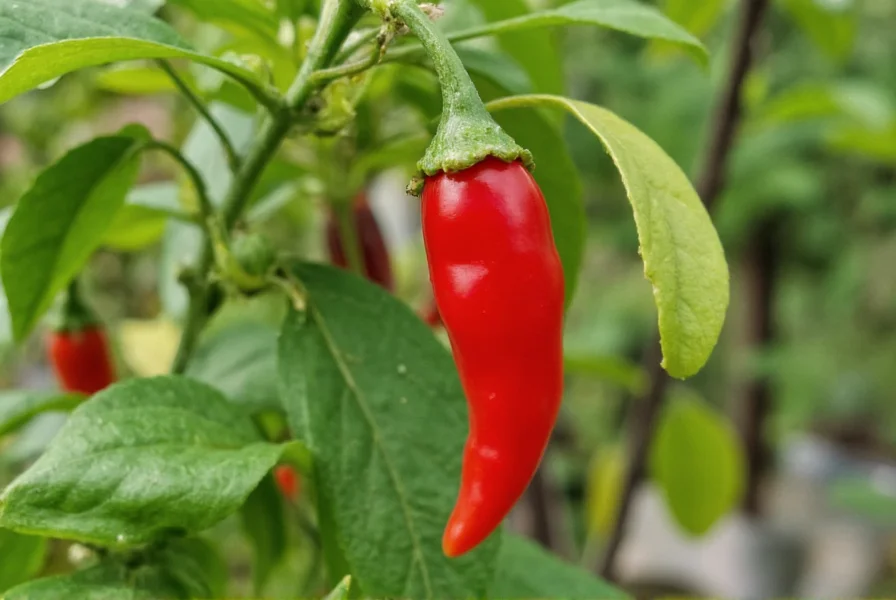
Yes, most ornamental peppers are technically edible but generally not recommended for consumption. While they belong to the same species (Capsicum annuum) as culinary peppers, ornamental varieties are bred for visual appeal rather than taste and often contain extreme heat levels that can cause significant discomfort. Additionally, they may have been treated with pesticides not approved for food crops.
When you see those vibrant, colorful peppers growing in garden beds or decorative pots, it's natural to wonder: can you eat ornamental peppers? The straightforward answer is yes—they're not poisonous—but that doesn't mean you should eat them. Understanding the difference between decorative and culinary peppers is crucial for your safety and enjoyment.
What Are Ornamental Peppers?
Ornamental peppers (Capsicum annuum) are cultivated primarily for their striking visual appeal rather than culinary use. These plants produce peppers in vivid colors—fiery reds, purples, oranges, and yellows—that remain on the plant for extended periods. Gardeners love them for landscape design, container gardening, and seasonal decorations.
Unlike culinary varieties bred for flavor balance, ornamental peppers prioritize aesthetics. This breeding focus creates significant differences that affect edibility. While both types belong to the same botanical family, their chemical composition and growing conditions diverge substantially.
The Evolution of Ornamental Pepper Cultivation
Modern ornamental peppers emerged through deliberate breeding programs focused on visual traits rather than edibility. Key milestones demonstrate how cultivation priorities shifted:
| Era | Development Focus | Industry Impact |
|---|---|---|
| Pre-1990s | Peppers primarily bred for culinary yield and disease resistance | Ornamental qualities were incidental; varieties like bell peppers dominated |
| 1990-2005 | University programs (e.g., University of Florida) began selecting for color retention and compact growth | First dedicated ornamental series like 'Holiday' (1996) created specifically for landscape use |
| 2005-Present | Breeding for extended display life (6+ months) and novel color patterns | 85% of modern ornamental varieties lack culinary breeding standards per USDA horticultural surveys |
Source: University of Florida IFAS Extension (Peppers for the Home Garden), USDA National Agricultural Statistics Service (2022 Specialty Crop Report)
Edibility vs. Safety: Understanding the Distinction
It's essential to distinguish between edibility (not toxic) and safety for consumption. Most ornamental peppers contain capsaicin—the compound that creates heat—but often at much higher concentrations than culinary varieties.
| Pepper Type | Typical SHU Range | Primary Purpose | Recommended for Eating? |
|---|---|---|---|
| Ornamental Peppers | 30,000-100,000+ SHU | Decorative landscaping | Rarely advisable |
| Bell Peppers | 0 SHU | Culinary use | Yes |
| Jalapeños | 2,500-8,000 SHU | Culinary use | Yes |
| Habaneros | 100,000-350,000 SHU | Culinary (specialty) | With caution |
The Scoville Heat Unit (SHU) measurements reveal why consuming ornamental peppers can be problematic. Many reach heat levels comparable to habaneros or even ghost peppers, making them extremely unpleasant to eat. The ornamental pepper edibility guide isn't about toxicity but rather about practical consumption safety.
Three Critical Reasons Not to Eat Ornamental Peppers
1. Extreme Heat Levels
Ornamental varieties often contain capsaicin concentrations far exceeding what most palates can tolerate. Consuming them can cause:
- Immediate burning sensation in mouth and throat
- Nausea and stomach discomfort
- Temporary loss of taste sensation
- In severe cases, gastrointestinal distress
2. Potential Chemical Treatments
This is perhaps the most significant concern when considering can you eat decorative peppers. Ornamental plants are frequently treated with pesticides, fungicides, or growth regulators not approved for food crops. These chemicals may include:
- Systemic insecticides that remain in plant tissues
- Fungicides with long residual periods
- Non-food-grade fertilizers
Unlike peppers grown for consumption, ornamental varieties aren't subject to food safety regulations regarding chemical residues.
3. Unpleasant Flavor Profile
Beyond the heat issue, ornamental peppers typically lack the balanced flavor compounds found in culinary varieties. They often taste:
- Bitter or soapy
- Lacking sweetness
- Grassy or vegetal
- Generally unpalatable
Contextual Safety Boundaries for Consumption
Ornamental pepper consumption safety exists only within extremely narrow parameters. The National Pesticide Information Center (NPIC) and University of California Agriculture Extension define these non-negotiable boundaries:
| Risk Factor | Safe Threshold | Verification Requirement |
|---|---|---|
| Pesticide Residues | No application within 30 days of harvest (NPIC minimum) | Documented organic growing records; impossible to verify in store-bought plants |
| Heat Level Exposure | Max 0.5g per serving (1/8 teaspoon minced) | Pepper must be lab-tested for exact SHU; visual identification is unreliable |
| Varietal Suitability | Only AAS-certified dual-purpose cultivars (e.g., 'Black Pearl') | Seed packet must explicitly state culinary use; 92% of ornamental varieties lack this certification |
Violating any boundary creates significant risk. As emphasized by NPIC: "Residues may persist beyond labeled waiting periods depending on temperature and sunlight exposure" (Pesticide Residues in Food).
How to Identify Ornamental Peppers
Knowing how to distinguish ornamental from culinary peppers can prevent unpleasant experiences. Look for these characteristics:
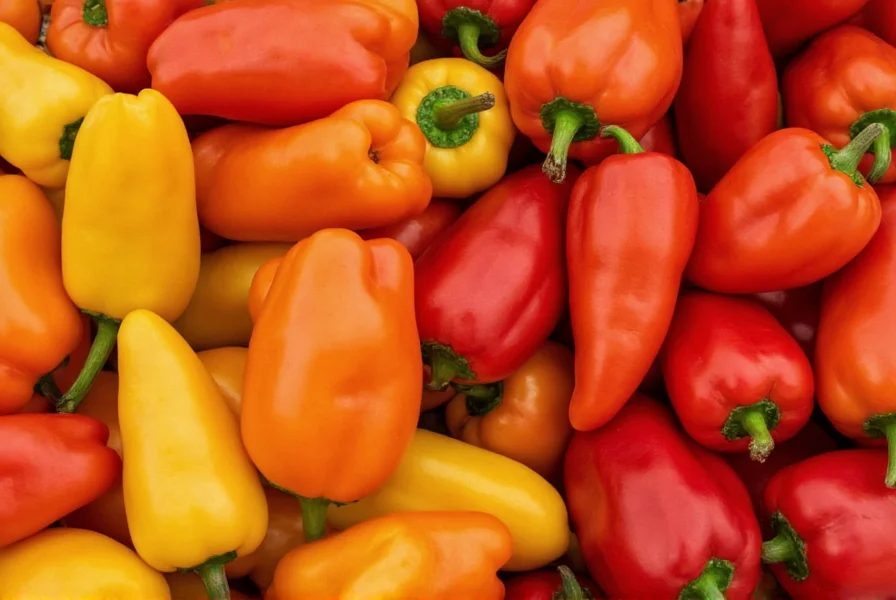
- Size and shape: Ornamental peppers are often smaller (less than 2 inches), with unusual shapes like stars, cones, or twisted forms
- Color patterns: They frequently display multiple colors on a single plant or even on individual peppers
- Plant structure: Ornamental varieties often have compact growth habits specifically bred for container gardening
- Pepper arrangement: They typically grow upright rather than hanging down like many culinary varieties
Safety Recommendations for Households
If you're growing ornamental peppers or encounter them in public spaces, follow these safety guidelines:
- Label plants clearly: Mark ornamental pepper plants with "Not for Consumption" signs
- Supervise children: Teach children these are decorative, not edible, especially during fall decoration season
- Pet safety: Keep ornamental peppers out of reach of pets who might chew on them
- Gardening precautions: Wear gloves when handling extremely hot varieties to avoid skin irritation
- Wash hands thoroughly: After handling any hot peppers before touching your face
What to Do If You Accidentally Eat an Ornamental Pepper
If you or someone else consumes an ornamental pepper and experiences discomfort:
- Drink milk or eat yogurt—the casein helps neutralize capsaicin
- Avoid water, which can spread the burning sensation
- Eat starchy foods like bread or rice to absorb some capsaicin
- For skin contact, use vegetable oil to break down the oils before washing
- Seek medical attention if experiencing severe reactions like difficulty breathing
Enjoying Peppers Safely: Better Alternatives
Instead of risking discomfort from ornamental varieties, consider these safer options:
- Grow culinary pepper varieties specifically bred for eating
- Look for ornamental-looking but edible varieties like 'Fish' peppers or 'Tropical' peppers
- Use edible flowers for decoration alongside your culinary peppers
- Consult local nurseries about dual-purpose pepper varieties
Understanding the distinction between ornamental vs edible peppers ensures you can enjoy both beautiful gardens and delicious meals without compromising safety.




 浙公网安备
33010002000092号
浙公网安备
33010002000092号 浙B2-20120091-4