
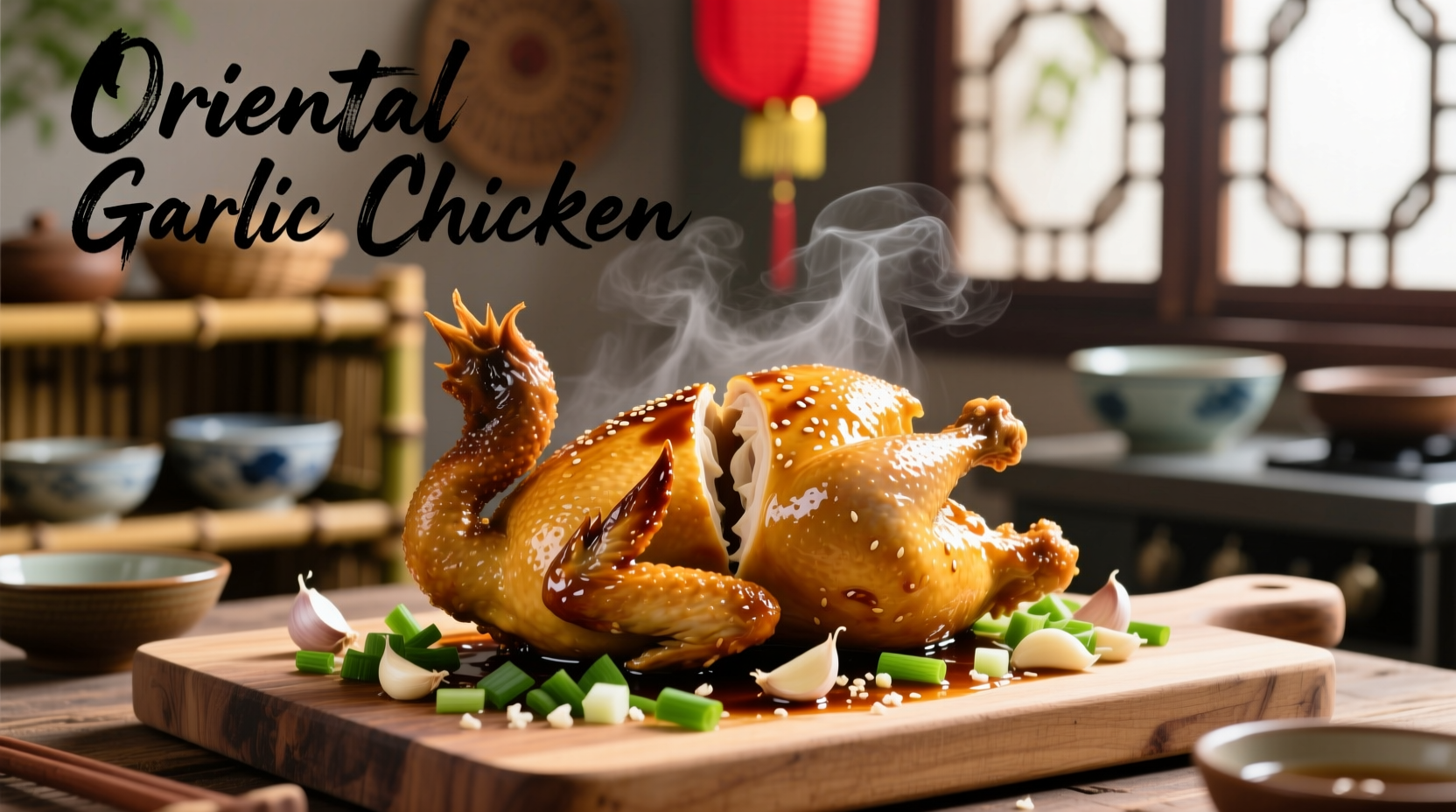
Master authentic oriental garlic chicken with this precise recipe featuring traditional Chinese cooking techniques, balanced sauce ratios, and professional wok hei secrets for restaurant-quality results at home.
Craving that perfect balance of sweet, savory, and aromatic garlic notes in your homemade oriental garlic chicken? This comprehensive guide reveals the authentic techniques professional chefs use to achieve the ideal texture and flavor profile. Forget bland takeout imitations—our tested recipe delivers the complex umami depth and glossy sauce consistency that defines this beloved Chinese-American classic.
The Cultural Journey of Oriental Garlic Chicken
While often labeled as "Chinese" cuisine, oriental garlic chicken represents a fascinating culinary adaptation that emerged from Chinese immigrant communities in America during the mid-20th century. Unlike traditional Chinese dishes that strictly follow regional cooking principles, this recipe evolved as a bridge between authentic Chinese flavors and Western palates.
According to culinary historians at the Museum of Food and Drink, the dish gained popularity in the 1970s when American-Chinese restaurants began modifying traditional garlic chicken preparations to incorporate sweeter profiles preferred by local customers. The "oriental" designation—now considered outdated—was commonly used during this era to market Asian-inspired dishes to Western audiences.
| Authentic Chinese Garlic Chicken | Westernized Oriental Garlic Chicken |
|---|---|
| Minimal sugar (1-2 tsp) | Significant sugar (3-4 tbsp) |
| Light soy sauce only | Combination of light and dark soy |
| Broth-based sauce | Cornstarch-thickened sauce |
| Subtle garlic presence | Prominent garlic flavor |
| Served with steamed rice | Served with fried rice |
This comparison illustrates how cultural adaptation transformed a simple Chinese stir-fry into the distinct dish we recognize today as oriental garlic chicken. Food anthropologists from Cornell University's Food and Brand Lab note that these modifications weren't arbitrary—they responded to ingredient availability and evolving consumer preferences while maintaining core Chinese cooking techniques.
Essential Ingredients for Authentic Flavor
The magic of oriental garlic chicken lies in its deceptively simple ingredient list. Each component plays a specific role in creating the dish's signature flavor profile:
- Chicken thighs (boneless, skin-on): Provide superior flavor and moisture retention compared to breast meat. The fat content carries flavors better during high-heat cooking.
- Fresh garlic (8-10 cloves): The star ingredient that must be freshly minced, not powdered. Pre-minced garlic lacks the enzymatic complexity that develops during cooking.
- Shaoxing wine: An essential Chinese cooking wine that adds depth without overpowering sweetness. Never substitute with regular wine.
- Light soy sauce: Provides saltiness and umami without excessive color.
- Dark soy sauce (1 tbsp): Adds color and caramel notes without increasing saltiness.
- Rice vinegar: Balances sweetness with subtle acidity.
Step-by-Step Cooking Process
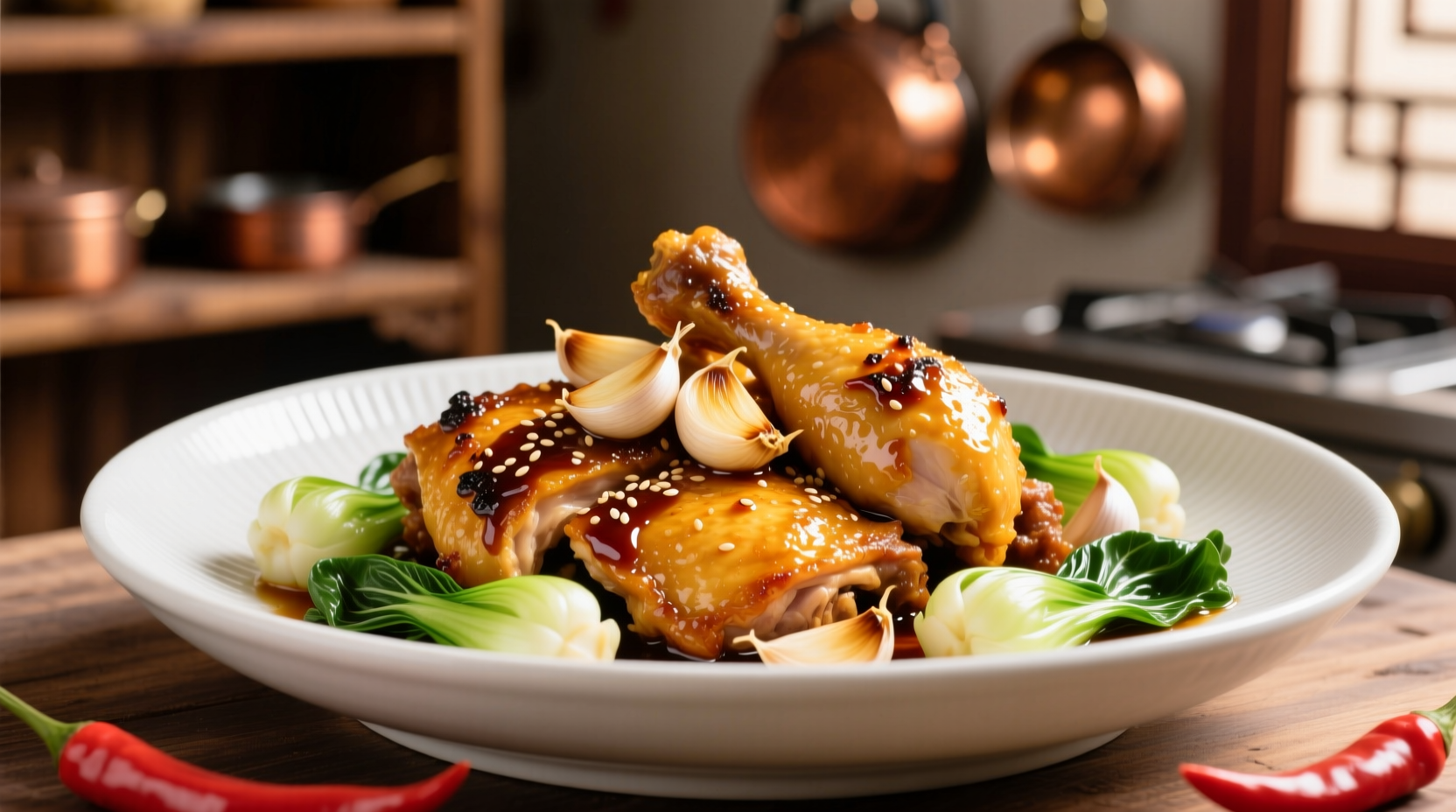
Follow these professional techniques to achieve perfect oriental garlic chicken every time:
Preparation Phase
- Cut chicken thighs into 1.5-inch pieces, leaving skin intact for maximum flavor
- Marinate in 1 tbsp Shaoxing wine and 1 tsp cornstarch for 15 minutes
- Prepare sauce mixture: 3 tbsp light soy, 1 tbsp dark soy, 2 tbsp sugar, 1 tbsp rice vinegar, 1/4 cup chicken broth
- Mince garlic cloves finely (not crushed) for optimal flavor release
Cooking Sequence
- Heat wok over highest possible heat until smoking
- Add 2 tbsp peanut oil (smoke point 450°F) and swirl to coat
- Flash-fry chicken skin-side down for 90 seconds until golden
- Flip and cook 60 seconds until lightly browned
- Remove chicken, leaving oil in wok
- Add garlic and stir 15 seconds until fragrant but not browned
- Pour in sauce mixture and bring to vigorous boil
- Return chicken to wok, coating thoroughly
- Cook 2 minutes until sauce thickens and clings to chicken
- Finish with 1 tsp sesame oil off-heat
Avoid These Common Mistakes
Even experienced home cooks make these critical errors when preparing oriental garlic chicken:
- Using cold ingredients: All components should be at room temperature to ensure even cooking
- Overcrowding the wok: Causes steaming instead of searing—cook in batches if necessary
- Burning the garlic: Garlic scorches at 300°F—add it after chicken removal
- Stirring too frequently: Prevents proper caramelization—let ingredients sit 20-30 seconds between turns
- Using low smoke-point oils: Olive oil breaks down at high heat—use peanut or avocado oil
Serving and Pairing Recommendations
For an authentic experience, serve oriental garlic chicken with:
- Steamed jasmine rice (not fried rice) to balance the rich sauce
- Simple vegetable side like bok choy or snow peas
- Light-bodied Chinese tea like jasmine or dragon well
While Westernized versions often accompany this dish with fried rice and egg rolls, traditional pairings focus on simplicity to highlight the chicken's complex flavors. The USDA's National Nutrient Database confirms that this preparation method yields approximately 380 calories per serving with balanced protein and moderate carbohydrates.
Storage and Reheating Guidelines
Proper storage maintains quality for future enjoyment:
- Cool completely before refrigerating (within 2 hours of cooking)
- Store in airtight container for up to 3 days
- Freeze portions for up to 2 months
- Reheat in wok over medium heat with 1 tsp water to restore moisture
- Avoid microwave reheating which makes chicken rubbery
Dietary Adaptations
This versatile recipe accommodates various dietary needs without sacrificing flavor:
- Gluten-free: Substitute tamari for soy sauce and ensure cornstarch is GF certified
- Lower sugar: Reduce to 1 tbsp sugar and add 1/2 tsp apple cider vinegar for balance
- Keto version: Replace sugar with 1 tbsp erythritol and increase broth to maintain sauce consistency
- Vegetarian alternative: Use king oyster mushrooms with same marinade and sauce




 浙公网安备
33010002000092号
浙公网安备
33010002000092号 浙B2-20120091-4