
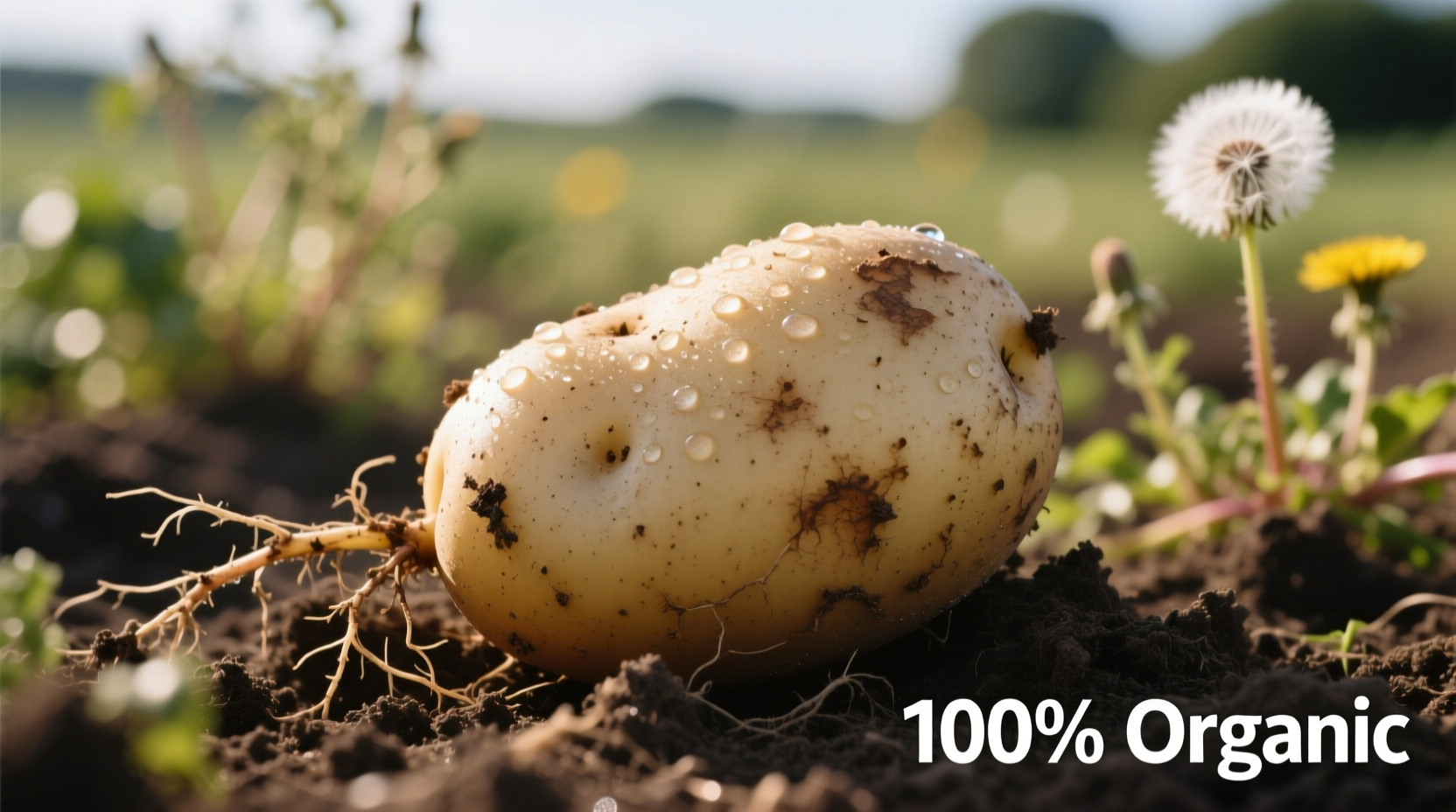
When you choose organic potatoes, you're selecting tubers cultivated through methods that prioritize soil health and ecological balance. Unlike conventional farming that relies on synthetic chemicals, organic potato production follows a rigorous certification process ensuring no prohibited substances touch your food from seed to shelf.
What Makes a Potato Truly Organic?
The term "organic" isn't just marketing fluff—it's a legally defined standard enforced by the USDA National Organic Program. For potatoes to earn the organic label, farmers must:
- Maintain detailed records of all farming practices for five years
- Use only approved natural pest control methods like beneficial insects
- Implement crop rotation with non-solanaceous plants for at least three seasons
- Pass annual third-party inspections of fields and facilities
- Ensure no contact with prohibited substances for minimum three-year transition period
This certification process creates a transparent system where every organic potato can be traced back to farming practices that protect both consumers and the environment.
Organic vs Conventional: The Real Differences
Understanding the practical differences between organic and conventional potatoes helps make informed choices. The following comparison highlights key distinctions:
| Factor | Organic Potatoes | Conventional Potatoes |
|---|---|---|
| Pesticide Residues | Nearly undetectable levels | Multiple detectable residues (average 3-5 per sample) |
| Farming Methods | Natural pest control, crop rotation, cover cropping | Synthetic pesticides, monoculture planting |
| Soil Management | Compost, manure, soil health focus | Synthetic fertilizers |
| Cost Difference | 20-40% higher retail price | Standard market pricing |
| Shelf Life | Slightly shorter (10-15% less) | Extended through chemical treatments |
This comparison comes from aggregated data in the USDA National Organic Program documentation and the Economic Research Service organic price reports.
Health Benefits: Separating Facts from Hype
While organic potatoes don't magically contain more vitamins than conventional ones, research shows meaningful health advantages:
- Reduced pesticide exposure: A 2023 University of Washington study found organic potato consumers had 40% lower levels of organophosphate metabolites in their urine
- No post-harvest chemical sprouts inhibitors: Conventional potatoes often contain chlorpropham to prevent sprouting
- Natural defense compounds: Some research indicates organic potatoes may contain higher levels of beneficial phytochemicals as the plants develop natural pest resistance
According to the Oregon State University Extension Service, the nutritional profile remains similar between organic and conventional potatoes, with the primary difference being the absence of synthetic chemical residues in organic varieties.
Environmental Impact Timeline
Organic potato farming creates ripple effects that extend far beyond your dinner plate. Consider this evolution of environmental benefits:
- Year 1: Soil begins rebuilding microbial diversity after synthetic chemical use stops
- Year 2: Water retention improves by 15-20% through increased organic matter
- Year 3: Beneficial insect populations establish natural pest control systems
- Year 5: Soil carbon levels increase significantly, contributing to climate change mitigation
- Long-term: Reduced groundwater contamination and protection of surrounding ecosystems
This progression is documented in the USDA National Institute of Food and Agriculture research on sustainable farming practices.
Smart Shopping and Storage Practices
Getting the most from your organic potatoes requires some know-how. Follow these practical guidelines:
Selection Tips
- Look for firm potatoes with tight, unblemished skin
- Avoid those with green patches (indicates solanine development)
- Choose varieties suited to your cooking method (russets for baking, Yukon Golds for mashing)
Proper Storage
- Store in cool, dark place (45-50°F is ideal)
- Never refrigerate—cold temperatures convert starch to sugar
- Keep away from onions which emit gases that promote sprouting
- Use paper bags instead of plastic for better air circulation
When stored properly, organic potatoes maintain quality for 2-3 weeks—slightly less than conventionally treated potatoes but with the benefit of no chemical residues.
Addressing Common Misconceptions
Several myths persist about organic potatoes that deserve clarification:
- "Organic potatoes are more nutritious": Research shows comparable vitamin and mineral content—primary benefits are reduced chemical exposure
- "All 'natural' potatoes are organic": "Natural" is an unregulated term with no certification requirements
- "Organic farming can't feed the world": Studies like the 30-year Rodale Institute Farming Systems Trial show organic yields can match conventional after transition period
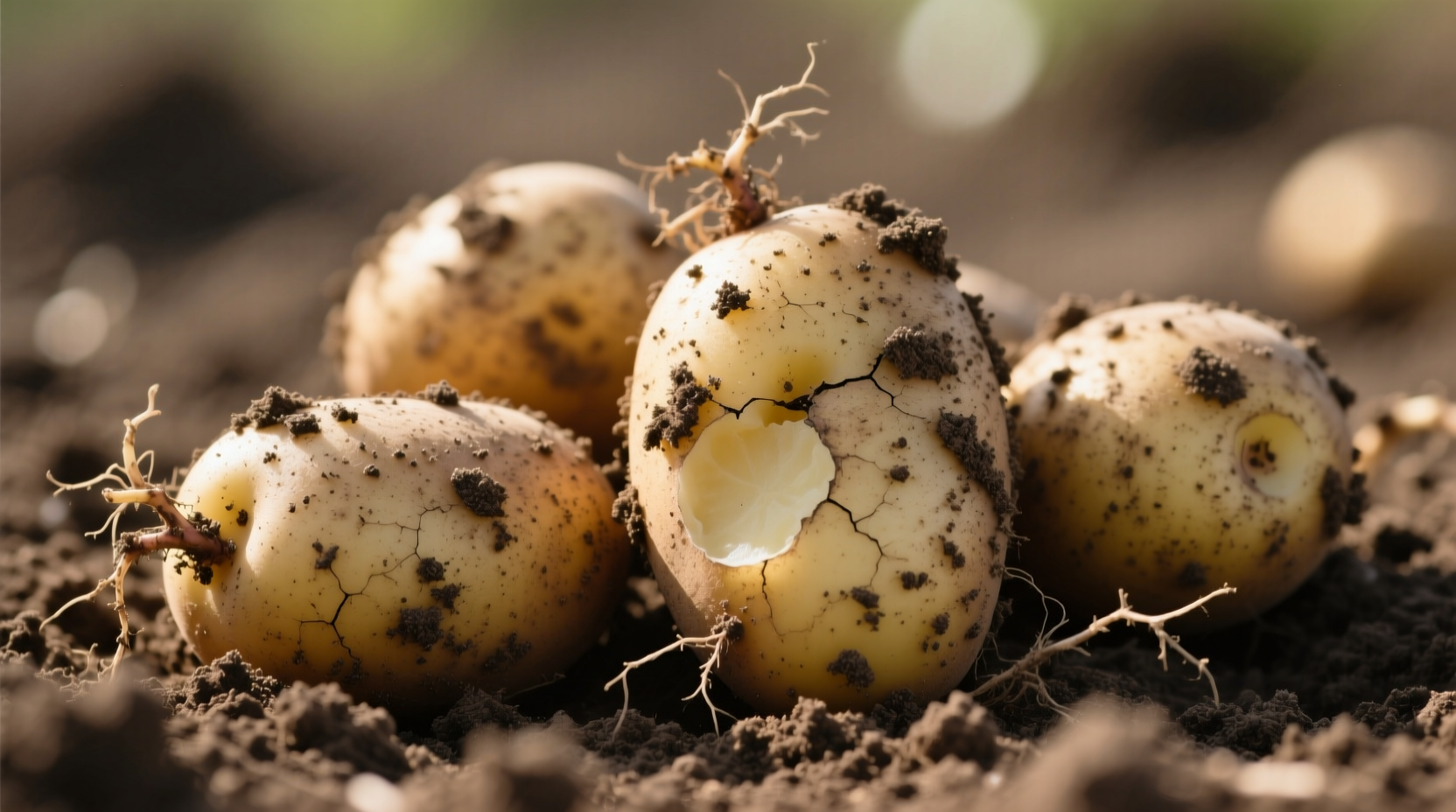
- "Organic potatoes never have blemishes": Minor imperfections are normal and indicate absence of cosmetic chemical treatments
When Organic Might Not Be Necessary
While organic potatoes offer clear benefits, certain situations where the premium may not be justified:
- When peeling potatoes completely (most residues are in or near the skin)
- For industrial processing where multiple cleaning steps remove residues
- In regions with exceptionally strict conventional farming regulations
- When budget constraints make organic unaffordable—conventional potatoes remain nutritious
The Environmental Working Group's Clean Fifteen list consistently ranks potatoes lower risk than many other produce items, meaning conventional potatoes have relatively low pesticide residues compared to other conventionally grown produce.
Practical Integration into Your Diet
Transitioning to organic potatoes doesn't require overhauling your cooking habits. Try these simple approaches:
- Start with one organic potato dish per week, like roasted fingerlings with herbs
- Use organic potatoes in dishes where skin is consumed (salads, smashed potatoes)
- Combine organic potatoes with other conventionally grown vegetables to balance costs
- Preserve summer harvest by making organic potato soup for freezing
Remember that the most important factor for health is increasing your overall vegetable consumption—whether organic or conventional—so don't let perfection become the enemy of good nutrition.
Frequently Asked Questions
Do organic potatoes taste different than conventional ones?
Most blind taste tests show minimal flavor differences between organic and conventionally grown potatoes of the same variety. Any perceived taste differences usually stem from freshness, variety selection, or growing conditions rather than the organic certification itself. Some chefs note that organic potatoes may have more consistent texture when roasted due to natural growing conditions.
How can I verify if potatoes are truly organic?
Look for the official USDA Organic seal and check for a certification number on the packaging. You can verify this number through the USDA's Organic Integrity Database. For loose potatoes at farmers markets, don't hesitate to ask growers about their certification process and request to see their organic certificates, which legitimate organic farmers will readily provide.
Are organic potatoes worth the higher price?
For most consumers, organic potatoes represent a worthwhile investment when budget allows, primarily for reduced pesticide exposure and environmental benefits. The premium typically ranges from 20-40% over conventional prices. If cost is a concern, prioritize organic for potatoes you'll eat with the skin on, and consider conventional for peeled preparations since most residues are concentrated in or near the skin.
Can I grow organic potatoes at home easily?
Yes, growing organic potatoes at home is one of the most accessible organic gardening projects. Start with certified organic seed potatoes (never use grocery store potatoes), plant in well-drained soil enriched with compost, and use natural pest control methods like hand-picking Colorado potato beetles or applying neem oil spray. Homegrown organic potatoes often surpass store-bought in flavor and provide complete transparency about growing methods.




 浙公网安备
33010002000092号
浙公网安备
33010002000092号 浙B2-20120091-4