
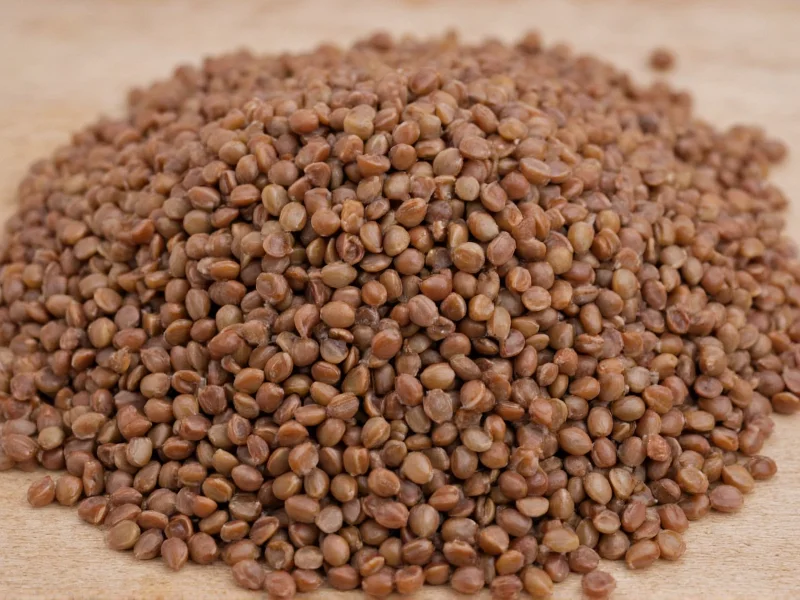
When you choose organic lentils, you're selecting legumes cultivated through farming methods that prioritize soil health, biodiversity, and ecological balance. These lentils must meet rigorous certification standards—like USDA Organic or EU Organic—which prohibit synthetic pesticides, chemical fertilizers, and GMOs throughout the growing and processing stages. While organic lentils contain the same essential nutrients as conventionally grown varieties, their production supports sustainable agriculture practices that benefit both personal health and environmental wellbeing.
What Defines True Organic Lentils
Organic lentil certification requires adherence to specific agricultural protocols that extend far beyond simply avoiding synthetic chemicals. Certified organic lentil farmers must implement crop rotation systems that maintain soil fertility, use only approved natural pest control methods, and prevent contamination from neighboring conventional farms. The certification process involves annual inspections, detailed record-keeping, and strict separation of organic and non-organic products throughout processing and distribution.
Third-party certification bodies verify that organic lentils meet these requirements before products can display official organic seals. In the United States, the USDA Organic label guarantees that at least 95% of ingredients are organically produced, while the remaining 5% must come from a specified list of non-organic substances approved for organic production.
Evolution of Organic Certification Standards
The regulatory framework for organic lentils has evolved through distinct phases reflecting scientific advancements and consumer demand:
- Pre-2000: Fragmented private certification systems operated without federal oversight, creating inconsistent standards for lentil production (USDA National Organic Program history documentation, 2020).
- 2002: Implementation of the USDA National Organic Program established mandatory federal standards, requiring documented field histories and prohibited substance testing for all lentil operations (USDA, 2020).
- 2010-2018: International harmonization efforts strengthened import verification, particularly for lentil-producing nations like Canada and India (European Commission organic regulation updates, 2018).
- 2022-Present: The Strengthening Organic Enforcement rule introduced digital certification tracking and enhanced residue testing protocols specifically for high-risk crops including legumes (USDA AMS, 2022).
This progression demonstrates how organic lentil standards have transformed from basic chemical avoidance to comprehensive systems addressing soil health, biodiversity, and supply chain integrity.
Nutritional Profile of Organic Lentils
Lentils—whether organic or conventional—rank among the most nutritionally dense plant-based foods available. A single cooked cup (198g) of lentils provides approximately:
| Nutrient | Amount per Cup | % Daily Value |
|---|---|---|
| Calories | 230 | 12% |
| Protein | 18g | 36% |
| Fiber | 15.6g | 56% |
| Folate | 358mcg | 90% |
| Iron | 6.6mg | 37% |
| Manganese | 1.3mg | 57% |
Research indicates no significant nutritional differences between organic and conventional lentils in terms of macronutrients and essential vitamins. However, some studies suggest organically grown legumes may contain slightly higher levels of certain phytochemicals due to the plants' natural defense mechanisms against pests without chemical assistance.
Health Benefits Supported by Research
The impressive nutritional composition of organic lentils translates to multiple evidence-based health benefits. Regular consumption contributes to:
- Cardiovascular protection: The combination of soluble fiber, potassium, and folate in organic lentils helps regulate blood pressure and reduce LDL cholesterol levels. A 2021 meta-analysis in Advances in Nutrition found that legume consumption significantly lowers cardiovascular disease risk.
- Blood sugar management: With a low glycemic index (around 30) and high fiber content, organic lentils promote stable blood glucose levels. Research published in Archives of Internal Medicine demonstrated that incorporating lentils into meals reduces postprandial glucose spikes by up to 20%.
- Digestive health: The substantial fiber content (15.6g per cooked cup) supports healthy gut microbiota and prevents constipation. Unlike some high-fiber foods, properly prepared lentils typically cause minimal digestive discomfort.
- Sustainable weight management: High protein and fiber content creates lasting satiety. A study in Obesity showed participants consuming legume-based meals felt fuller longer and consumed fewer calories at subsequent meals.
Comparing Organic Lentil Varieties
Different organic lentil varieties offer distinct culinary properties and subtle nutritional variations. Understanding these differences helps optimize their use in your kitchen:
| Variety | Cooking Time | Best Uses | Distinctive Properties |
|---|---|---|---|
| Green Lentils | 20-30 minutes | Salads, side dishes | Firm texture holds shape well; peppery flavor |
| French (Puy) Lentils | 25-35 minutes | Gourmet dishes, salads | Smallest variety; complex flavor; high mineral content |
| Red/Yellow Lentils | 15-20 minutes | Curries, soups, purees | Softer texture; sweet flavor; highest folate content |
| Black (Beluga) Lentils | 25-30 minutes | Caviar substitute, pilafs | Rich umami flavor; highest protein density |
Organic vs. Conventional: Making an Informed Choice
When evaluating whether organic lentils justify their typically higher price point, consider these evidence-based factors:
Pesticide residues: While lentils generally rank low on the pesticide residue scale compared to other crops, organic varieties eliminate exposure to synthetic pesticides. The Environmental Working Group's analysis shows conventional lentils occasionally contain traces of multiple pesticides, though usually below safety thresholds.
Environmental impact: Organic lentil farming typically uses 25% less energy and produces 40% fewer greenhouse gas emissions per unit than conventional methods, according to research from the Rodale Institute. Organic practices also improve soil carbon sequestration and water retention.
Nutritional differences: Comprehensive reviews, including a 2022 meta-analysis in Nutrition Journal, conclude that while organic legumes show slightly higher levels of certain antioxidants, the practical nutritional differences between organic and conventional lentils are minimal for most consumers.
Economic considerations: Organic lentils typically cost 20-50% more than conventional varieties. Budget-conscious consumers might prioritize organic for lentils they consume most frequently while purchasing conventional for others.
Contextual applicability: The benefits of organic lentils vary significantly by consumer circumstances and agricultural conditions. For pregnant women and children—populations with heightened vulnerability to neurotoxic pesticides—organic lentils provide meaningful exposure reduction, aligning with American Academy of Pediatrics recommendations (AAP, 2012). In drought-prone regions, organic farming systems demonstrate 25% higher soil moisture retention according to Rodale Institute's 40-year Farming Systems Trial, making them critical for climate resilience (Rodale Institute, 2023). However, for nutrition-focused consumers in countries with stringent pesticide regulations like the EU, conventional lentils often show negligible residue differences. Similarly, when immediate budget constraints are primary, conventional varieties deliver equivalent core nutrition at lower cost.
Selecting and Storing Organic Lentils
When purchasing organic lentils, look for these quality indicators:
- Check for the official organic certification seal from recognized bodies (USDA Organic, Canada Organic, EU Organic, etc.)
- Examine lentils for uniform color and size, which indicates careful sorting
- Avoid packages with excessive dust or broken pieces
- Choose recently packaged products (check dates when available)
Proper storage maintains quality and prevents spoilage:
- Store in airtight containers away from light and moisture
- Keep in a cool, dark pantry (below 70°F/21°C is ideal)
- Organic lentils maintain quality for 1-2 years when stored properly
- Check periodically for moisture or insect activity
Preparing Organic Lentils for Optimal Nutrition
Maximize the nutritional benefits of organic lentils through proper preparation:
- Rinse thoroughly: Remove any debris and reduce potential digestive discomfort
- Soak selectively: While not required, soaking green and black lentils for 2-4 hours may reduce cooking time and improve digestibility
- Cook with aromatics: Adding garlic, onions, or herbs during cooking enhances flavor without compromising nutritional value
- Avoid acidic ingredients early: Adding tomatoes or vinegar too soon can prolong cooking time and reduce nutrient availability
- Pair with vitamin C: Consuming lentils with vitamin C-rich foods (like bell peppers or citrus) increases iron absorption
Cooking times vary by variety—red lentils typically require 15-20 minutes while green and black varieties need 25-30 minutes. Always cook lentils in fresh water rather than the soaking liquid to maximize nutrient retention.




 浙公网安备
33010002000092号
浙公网安备
33010002000092号 浙B2-20120091-4