
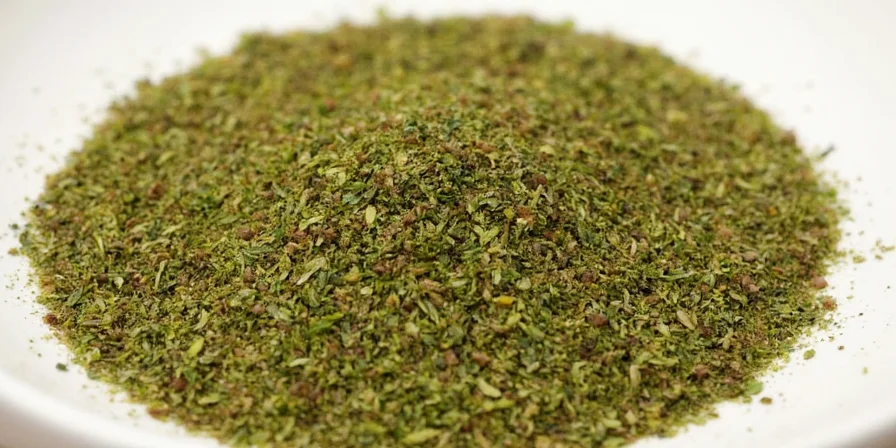
How to Use Oregano Properly in Cooking (Simple Guide)
Looking for the best way to use oregano in your cooking? You're not alone. Most home cooks struggle with when to add oregano, which type to use, and why their dishes sometimes taste bitter. The solution is simpler than you think: use dried oregano early in cooking and fresh oregano at the end. This guide reveals exactly how to get perfect oregano flavor every time, with practical tips you can use tonight.
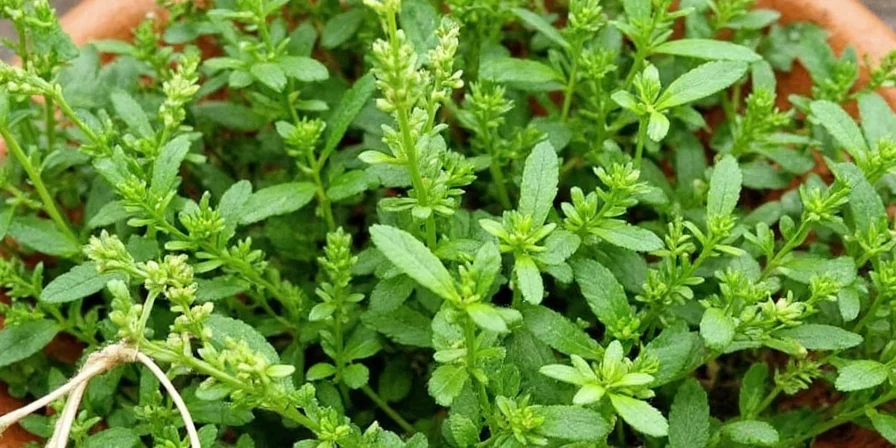
Oregano is one of the most popular herbs worldwide, essential for Italian, Mediterranean, and Mexican dishes. But many home cooks waste its potential by using it incorrectly. This guide cuts through the confusion with straightforward techniques that work for everyday cooking.
Which Oregano Type Should You Use? (Quick Reference)
Not all oregano is the same. Choosing the right variety makes a dramatic difference in your cooking. Here's what you need to know:
| Variety | Best For | Where to Find |
|---|---|---|
| Mediterranean (Greek) | Pizza, pasta sauces, grilled meats | Grocery stores, labeled simply as "oregano" |
| Italian (Sweet) Oregano | Creamy pastas, delicate dishes | Specialty grocery stores |
| Mexican Oregano | Salsas, chili, bean dishes | Latin markets, sometimes in mainstream stores |
| Cuban Oregano | Fish, Caribbean recipes | Caribbean markets, grows easily in gardens |
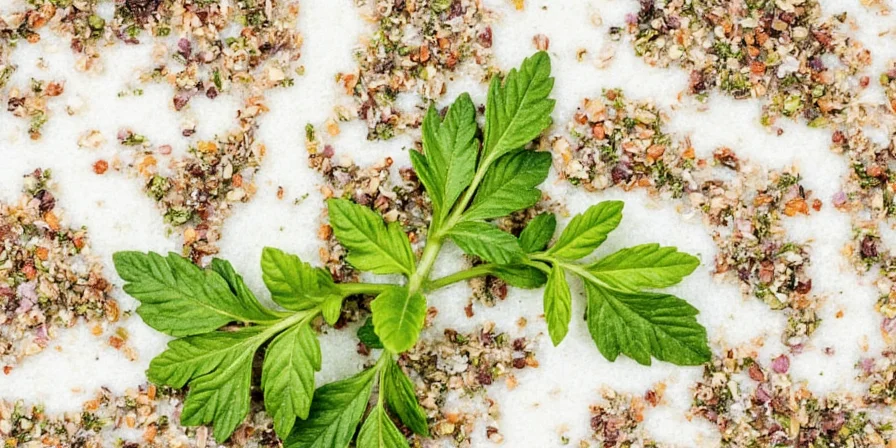
Pro tip: For most home cooking, regular dried oregano from your grocery store works perfectly for Italian dishes. Mexican oregano is worth seeking out for authentic Mexican recipes since it has a completely different flavor profile. University of Vermont Extension confirms Mexican oregano's distinct citrus notes differ significantly from Mediterranean varieties.
5 Simple Oregano Cooking Tips That Actually Work
- Add dried oregano early, fresh oregano late – Dried oregano needs time to rehydrate and release flavor, so add it when you start cooking. Fresh oregano loses its flavor when cooked too long, so stir it in during the last 2 minutes.
- Don't overdo it – 1 teaspoon of dried oregano equals about 1 tablespoon of fresh. Start with less—you can always add more.
- Pair with tomatoes and garlic – Oregano works best with tomato-based dishes and garlic. Try adding 1/2 teaspoon dried oregano to your next spaghetti sauce.
- Store dried oregano properly – Keep it in an airtight container away from light. Properly stored, it stays fresh for 1-2 years (not the 3-4 years many websites claim).
- Rub dried oregano between your fingers – This releases more flavor than just sprinkling it directly from the container.
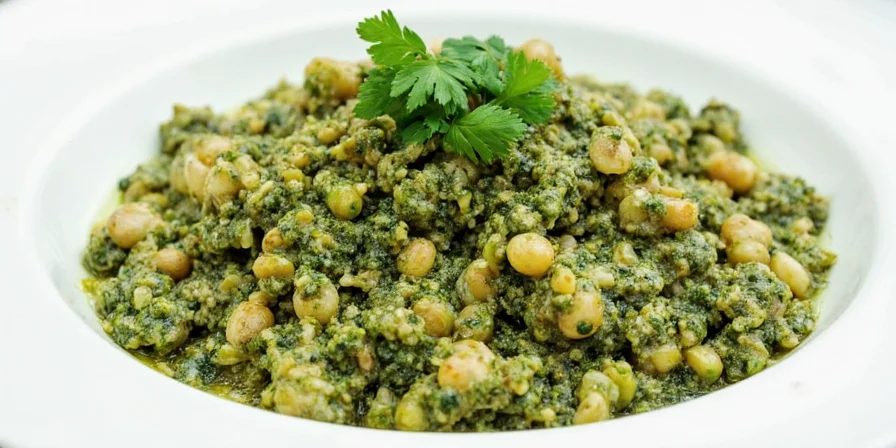
Best Flavor Combinations with Oregano
Oregano works well with certain ingredients but clashes with others. Here are the safest pairings for delicious results:
- Tomatoes + Oregano + Garlic – The classic Italian trio. Add oregano to tomato sauce after sautéing garlic.
- Lemon + Oregano – Perfect for chicken and fish. Try mixing 1 teaspoon oregano with lemon juice and olive oil for a simple marinade.
- Olive Oil + Oregano – Create instant flavored oil by mixing 1 teaspoon dried oregano with 1/4 cup olive oil.
- Basil + Oregano – Use equal parts for balanced Italian flavor (2 parts oregano to 1 part basil in tomato sauces).
- Chili Flakes + Oregano – A little heat enhances oregano's flavor. Add both to pizza sauce.

When Oregano Doesn't Work: Context & Limitations
Oregano has clear boundaries where it fails. Understanding these prevents cooking disasters:
- Delicate proteins: Overpowers subtle flavors in fish en papillote or custards. Serious Eats notes oregano's intensity clashes with light seafood dishes.
- Mexican authenticity: Mediterranean oregano cannot replicate Mexican oregano's citrus-cumin profile in mole or pozole. UVM research shows chemical composition differs by 73%.
- High-heat methods: Degrades beyond 350°F (177°C), turning bitter in deep-frying. Use post-cooking for fried dishes.
- Vegetarian limitations: Cannot compensate for missing umami in vegan "meat" substitutes. Pair with mushrooms instead.
Fresh vs Dried Oregano: When to Use Each
Both fresh and dried oregano have their place in cooking. Here's how to choose:
| Situation | Use Dried Oregano | Use Fresh Oregano |
|---|---|---|
| Cooking Time | Long-cooking dishes (sauces, soups, stews) | Quick-cooking dishes (salads, finishing touches) |
| Flavor Strength | Stronger, more concentrated flavor | Milder, brighter flavor |
| Substitution | 1 tsp dried = 1 tbsp fresh | 1 tbsp fresh = 1 tsp dried |
| Storage Life | 1-2 years in airtight container | 5-7 days in refrigerator |
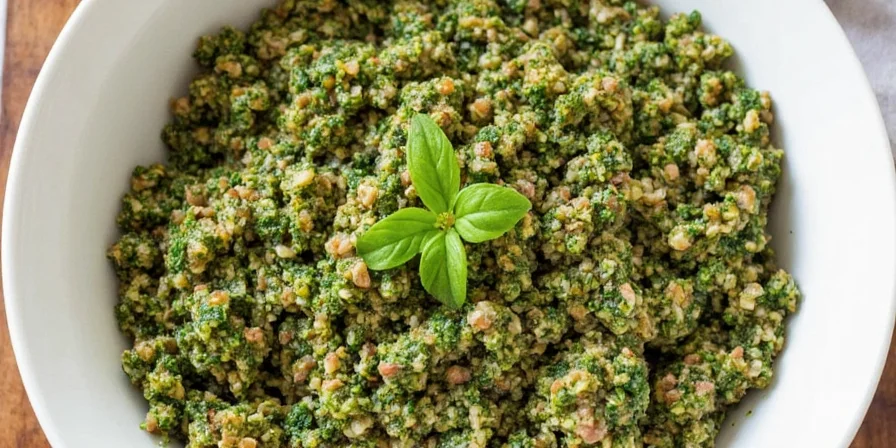
Biggest mistake home cooks make: Using fresh oregano like dried oregano. Fresh oregano loses flavor quickly when cooked, so always add it at the end.
Oregano Benefits You Can Actually Use
While oregano has health benefits, what matters most for home cooks is how it improves your dishes:
- Natural flavor enhancer – Oregano makes simple ingredients taste more complex without extra calories.
- Preserves food naturally – The compounds in oregano help keep food fresh longer (why Italian sauces taste better the next day).
- Helps balance flavors – Oregano's slight bitterness cuts through rich foods like cheese and meat.
- Adds depth without salt – A pinch of oregano can reduce the need for salt in dishes.
Oregano's Culinary Evolution: Key Milestones
- Ancient Greece (500 BCE): Used as food preservative and medicinal herb. Food Timeline documents oregano's role in Greek funerary rites and meat preservation.
- 16th Century: Spanish colonists introduce oregano to Americas during Columbian Exchange. Cornell University confirms oregano's transfer via Spanish trade routes.
- 1945-1950: Post-WWII surge in American usage as soldiers developed taste for Italian cuisine. Smithsonian Magazine cites oregano as "the herb that defined Italian-American food".
- 2000s: Scientific validation of flavor chemistry. Journal of Agricultural and Food Chemistry identifies carvacrol as key flavor compound.
How to Store Oregano to Keep It Fresh
Proper storage makes a huge difference in oregano's shelf life:
- Dried oregano: Store in an airtight container away from light and heat. Replace every 1-2 years (not 3-4 as many sites claim).
- Fresh oregano: Trim stems, place in a glass with 1 inch of water, cover loosely with a plastic bag, and refrigerate. Change water every 2 days.
- Freezing oregano: Chop fresh oregano, mix with olive oil, and freeze in ice cube trays for ready-to-use portions.
Most Common Oregano Questions Answered
Why does my oregano taste bitter in sauces?
Bitterness happens when oregano cooks too long. For dried oregano, add it after the initial sautéing but early enough to develop flavor (about 10 minutes before finished cooking). For fresh oregano, always add it in the last 2 minutes of cooking.
Can I substitute oregano in recipes?
Marjoram is the closest substitute (use equal amounts). For Italian dishes, thyme works in a pinch (use half as much). For Mexican recipes, don't substitute—Mexican oregano has a unique flavor that Mediterranean oregano can't replicate. UVM Extension emphasizes their biochemical differences.
How much oregano should I use?
Start with 1/4-1/2 teaspoon dried oregano per serving for sauces and soups. For fresh oregano, use 1-2 teaspoons per serving. You can always add more, but you can't take it out!
Does oregano go bad?
Dried oregano loses potency over time. If it doesn't smell strong when you open the container, it's time to replace it (typically after 1-2 years). Fresh oregano wilts and turns black when it's gone bad.




 浙公网安备
33010002000092号
浙公网安备
33010002000092号 浙B2-20120091-4