

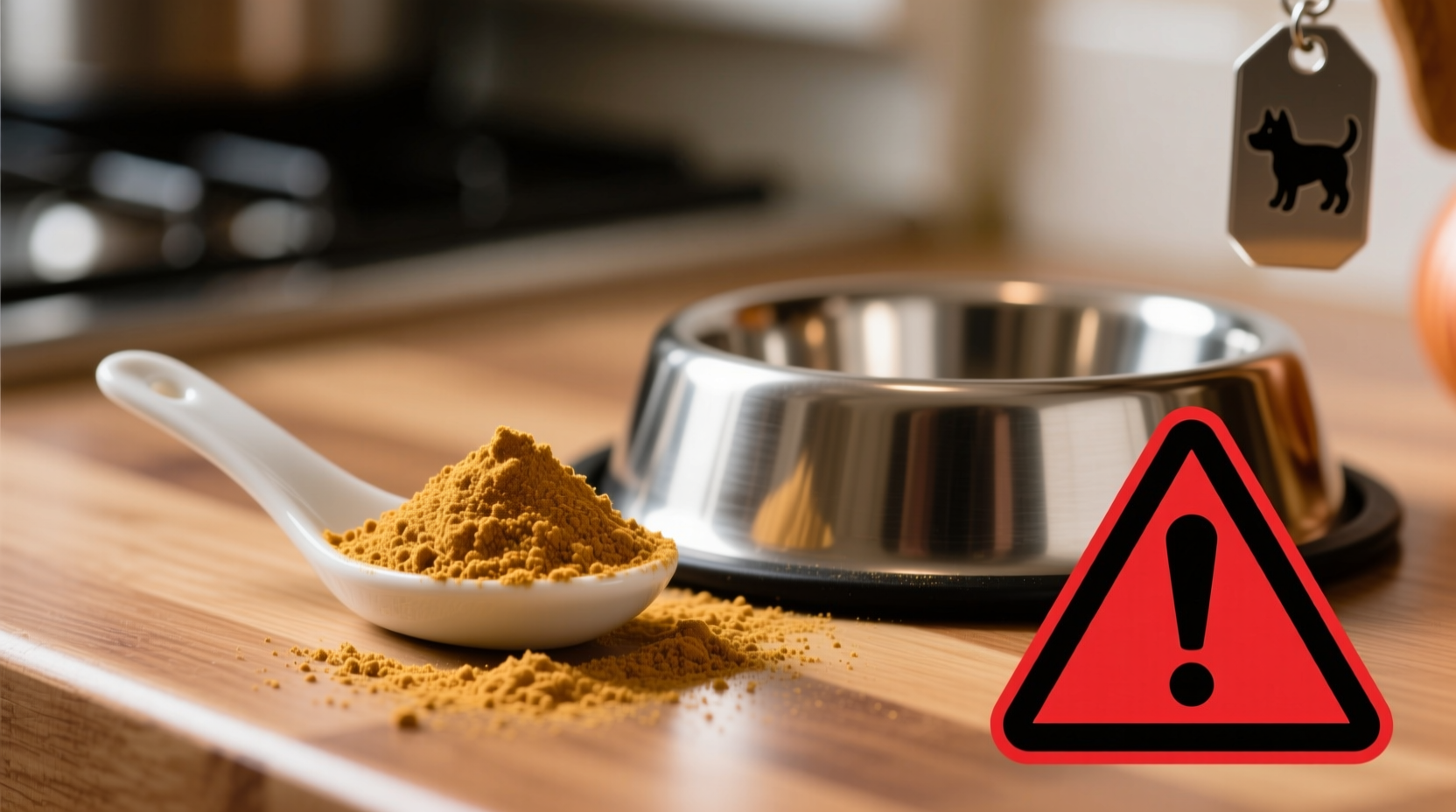
Immediate Alert: Onion powder is toxic to dogs and can cause life-threatening hemolytic anemia. Even small amounts (as little as 0.5% of body weight) can be dangerous. If your dog consumed onion powder, contact your veterinarian or animal poison control immediately.
Discover exactly why onion powder poses such a serious risk to dogs, recognize early warning signs of toxicity, and learn the critical steps to take if your pet has been exposed. This guide provides science-backed information from veterinary toxicology sources to help you protect your canine companion.
Why Onion Powder Is More Dangerous Than Fresh Onions for Dogs
While many dog owners know fresh onions are harmful, few realize onion powder concentrates the toxic compounds up to 5 times more than raw onions. This dehydrated form contains higher levels of N-propyl disulfide - the compound that damages red blood cells in dogs.
| Form of Onion | Toxic Compound Concentration | Danger Level for 50lb Dog |
|---|---|---|
| Fresh onion | 1x | 50g (about 1/4 cup chopped) |
| Onion powder | 4-5x | 10-12g (about 2 teaspoons) |
| Onion soup mix | 3-4x | 15g (about 1 tablespoon) |
This concentration difference explains why seemingly small amounts of onion powder in human foods can be dangerous for dogs. According to the ASPCA Animal Poison Control Center, processed onion products pose significantly higher risks than fresh varieties due to their intensified chemical composition.
What to Do Immediately After Onion Powder Exposure
If your dog consumed onion powder, follow these vet-recommended steps:
- Don't induce vomiting without professional guidance - this can cause additional complications
- Calculate the amount consumed using packaging information (1 teaspoon onion powder ≈ 5g)
- Contact animal poison control (ASPCA: 888-426-4435 or Pet Poison Helpline: 855-764-7661)
- Have these details ready for the vet: your dog's weight, amount consumed, time of exposure
According to the Merck Veterinary Manual, prompt intervention within 2-4 hours of ingestion significantly improves outcomes. Your veterinarian may recommend activated charcoal administration or other treatments depending on the exposure level.
Symptom Timeline: When to Watch for Danger Signs
Onion toxicity doesn't cause immediate symptoms, creating a dangerous false sense of security. Here's the critical progression timeline:
- 0-24 hours: Vomiting, diarrhea, abdominal pain (often mistaken for simple stomach upset)
- 24-72 hours: Lethargy, weakness, rapid breathing, pale gums (signs of developing anemia)
- 3-5 days: Dark urine (hemoglobinuria), jaundice, collapse (severe hemolytic crisis)
A 2021 study published in the Journal of Veterinary Emergency and Critical Care found that 78% of dog owners didn't connect their pet's symptoms with previous onion exposure because of this delayed reaction. Always mention potential onion exposure to your vet, even if symptoms appear days later.
How Veterinarians Treat Onion Powder Toxicity
Treatment depends on exposure timing and symptom severity. Your vet may implement:
- Early exposure (within 2-4 hours): Activated charcoal to absorb toxins
- Moderate symptoms: IV fluids, oxygen therapy, and blood tests to monitor red blood cell counts
- Severe cases: Blood transfusions for life-threatening anemia
Recovery typically takes 1-2 weeks with proper treatment, but permanent organ damage can occur in severe untreated cases. The Veterinary Information Network reports that dogs with early intervention have over 90% survival rates, compared to 40% when treatment begins after severe symptoms develop.
Common Hidden Sources of Onion Powder
Many dog owners unknowingly expose their pets through these everyday items:
- Commercial baby food (especially meat varieties)
- Processed human foods (soups, sauces, gravies)
- Homemade broth or stock
- Certain commercial dog treats labeled "natural flavors"
- Leftover pizza or pasta dishes
Always check ingredient labels for these hidden onion derivatives: dehydrated onions, onion powder, onion salt, onion juice, and caramelized onions. When in doubt, consult your veterinarian before sharing any human food with your dog.
Safe Flavor Alternatives for Dogs
If you're preparing homemade meals for your dog, try these vet-approved flavor enhancers instead of onion powder:
- Low-sodium chicken or beef broth (without onion/garlic)
- Pumpkin puree (plain, not pie filling)
- Blueberries or apple slices (small amounts)
- Plain cooked sweet potato
- Unsalted peanut butter (xylitol-free)
Remember that dogs have different nutritional needs than humans. What tastes good to us may be dangerous for them. When adding any new ingredient to your dog's diet, introduce it gradually and watch for adverse reactions.




 浙公网安备
33010002000092号
浙公网安备
33010002000092号 浙B2-20120091-4