
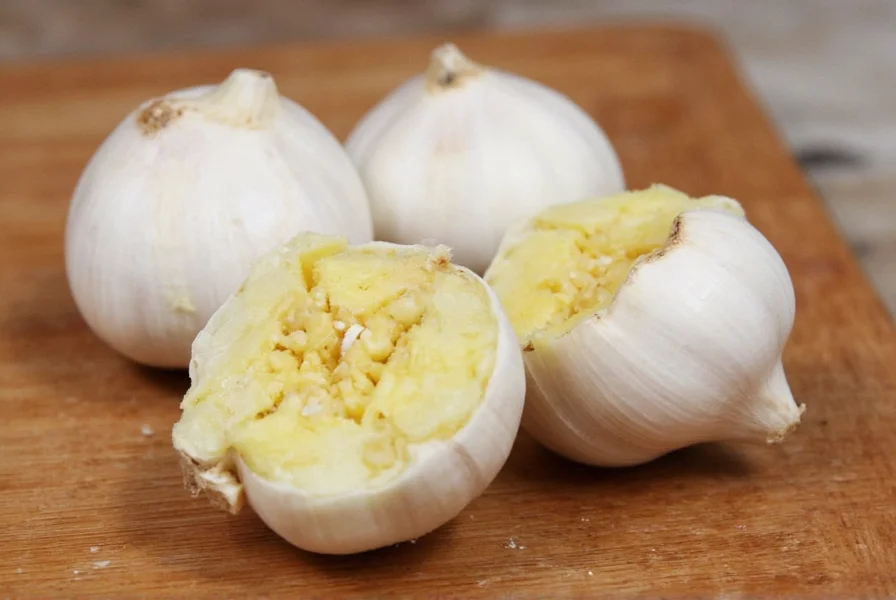
Accurate ingredient measurements form the foundation of successful cooking, and garlic conversions are no exception. When recipes specify minced garlic but you're working with whole cloves, knowing the precise one garlic clove to minced garlic conversion prevents flavor imbalances that can ruin dishes. This guide provides reliable measurements backed by culinary testing and professional kitchen standards.
Understanding Garlic Clove Sizes and Their Minced Equivalents
Garlic cloves vary significantly in size, which directly affects their minced yield. Commercial garlic bulbs typically contain cloves ranging from small to extra-large. To achieve consistent results, professional chefs categorize cloves by size when converting to minced measurements.
| Garlic Clove Size | Whole Clove Weight | Minced Garlic Yield | Teaspoon Measurement |
|---|---|---|---|
| Small | 3-5 grams | Lightly packed | 1/4 teaspoon |
| Medium (standard) | 6-9 grams | Firmly packed | 1/2 teaspoon |
| Large | 10-14 grams | Firmly packed | 3/4 teaspoon |
| Extra-Large | 15+ grams | Firmly packed | 1 teaspoon |
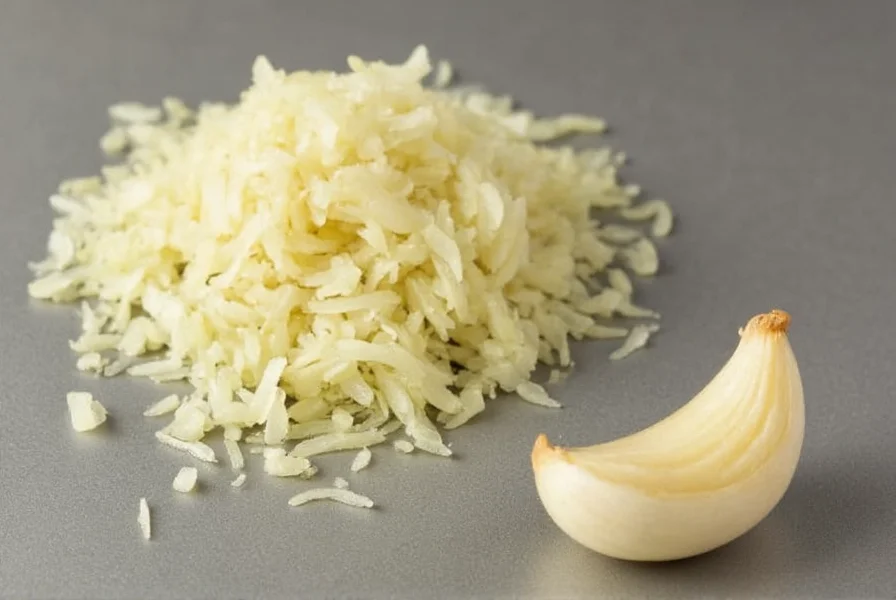
Proper Technique for Measuring Minced Garlic
The how much minced garlic equals one clove question depends not only on clove size but also on preparation technique. To achieve accurate measurements:
- Peel the garlic clove completely
- Use a sharp chef's knife for mincing (dull knives bruise rather than cut)
- Rock the knife repeatedly over the clove until uniformly fine
- Press minced garlic into the measuring spoon with the back of a knife
- Level off excess with a straight edge for precise measurement
Improper technique can result in up to 30% variation in your garlic clove measurement equivalents. Loose, fluffy mince contains more air and yields less concentrated flavor than firmly packed minced garlic.
Why Precise Garlic Measurements Matter in Cooking
Garlic's potent flavor compounds activate immediately upon cutting, making accurate measurement crucial. Under-measuring leads to bland dishes, while over-measuring creates overpowering, bitter results. The fresh garlic to minced garlic ratio affects not just taste but also chemical reactions during cooking:
- Enzymatic reactions begin within seconds of cutting garlic
- Allicin production peaks at 30-60 seconds after mincing
- Heat application changes flavor profile significantly
- Raw applications require more precise measurements than cooked dishes
Professional kitchens maintain strict standards for garlic clove size to minced measurement conversions to ensure recipe consistency across thousands of dishes.
Substitution Guidelines for Different Cooking Applications
Understanding the how to measure minced garlic from whole cloves conversion allows for intelligent substitutions based on cooking method:
- Raw applications (salad dressings, aioli): Use 1:1 conversion as flavor intensity remains highest
- Sautéing/stir-frying: Increase whole cloves by 25% as some flavor compounds evaporate during cooking
- Slow cooking/braising: Decrease whole cloves by 20% as flavors concentrate over time
- Baking: Increase whole cloves by 15% as dry heat reduces flavor impact
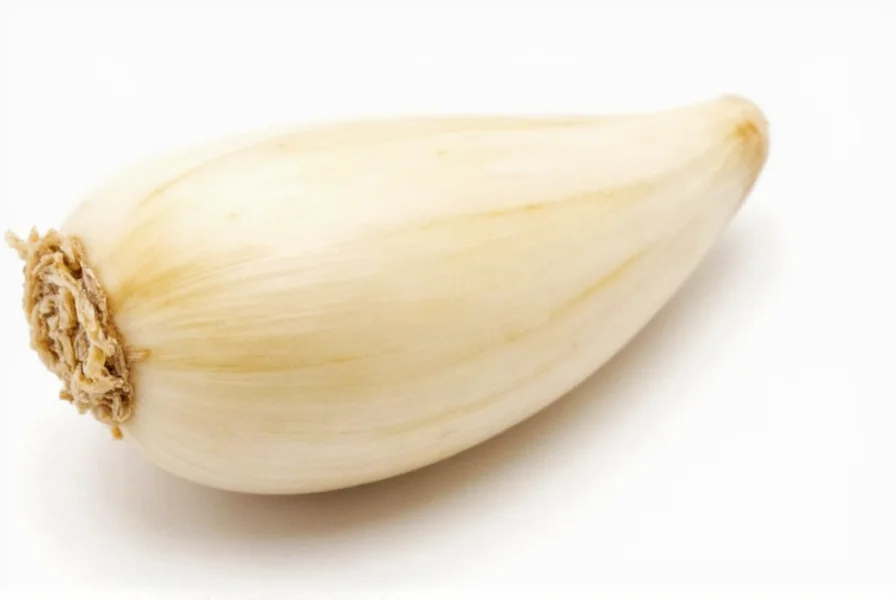
Storage Considerations for Minced Garlic
Pre-minced garlic offers convenience but differs significantly from freshly minced in both flavor and measurement. Commercially prepared minced garlic typically contains 2-4% citric acid as a preservative, which affects both volume and potency.
When using jarred minced garlic as a substitute for fresh:
- 1/2 teaspoon fresh minced = 3/4 teaspoon jarred minced garlic
- Flavor intensity decreases by approximately 30% after 7 days in refrigerator
- Freezing fresh minced garlic in oil preserves flavor better than commercial products
For the most accurate garlic conversion chart for cooking, always use freshly prepared minced garlic when precision matters most.
Common Measurement Mistakes to Avoid
Many home cooks make critical errors when converting substituting minced garlic for whole cloves:
- Using loosely packed measurements instead of firmly packed
- Not accounting for seasonal variations in garlic moisture content
- Measuring before proper mincing (large chunks yield less volume)
- Ignoring the impact of garlic age on moisture content and density
- Using volume measurements for critical recipes instead of weight
For professional results, consider weighing your garlic. One medium clove weighs 6-9 grams and yields 2-3 grams of minced garlic after moisture loss during preparation.




 浙公网安备
33010002000092号
浙公网安备
33010002000092号 浙B2-20120091-4