
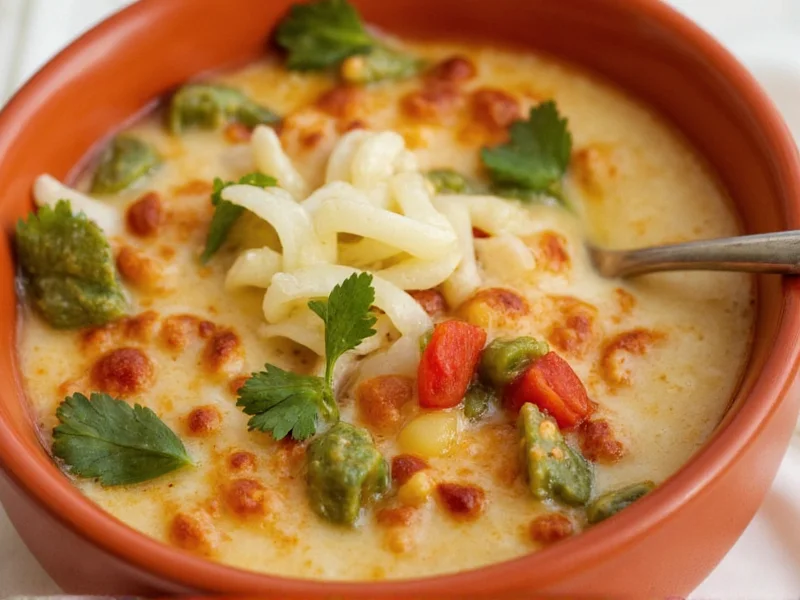
Why Olive Garden Soup Recipes Resonate With Home Cooks
When you search for olive garden soup recipes, you're likely craving that perfect balance of restaurant-quality flavor with home kitchen practicality. The magic of Olive Garden's soups lies in their layered seasoning techniques and thoughtful ingredient combinations—not secret ingredients. Understanding these principles allows you to recreate authentic versions without special equipment or hard-to-find items.
Evolution of Olive Garden Soup Offerings
Olive Garden's soup menu reflects broader Italian-American culinary trends through distinct phases:
- 1982: Original menu featured Minestrone and Italian Wedding Soup as staples, aligning with foundational Italian-American comfort food traditions (Olive Garden Corporate History)
- Early 1990s: Introduction of Zuppa Toscana and Pasta e Fagioli expanded offerings to include regional Tuscan and central Italian specialties, responding to growing demand for heartier, rustic dishes (Food & Wine, 2021)
- Mid-2000s: Chicken Gnocchi Soup debuted during the "gnocchi boom," leveraging increased American familiarity with potato dumplings (National Academies of Sciences, 2022)
Essential Ingredients for Authentic Olive Garden-Style Soups
Before diving into specific recipes, gather these foundational ingredients that appear across multiple Olive Garden soup recipes:
| Ingredient | Why It Matters | Substitution Options |
|---|---|---|
| Italian Sausage | Provides depth in Zuppa Toscana and Pasta e Fagioli | Sweet or spicy turkey sausage |
| Kale | Essential for authentic Zuppa Toscana texture | Spinach (adds different flavor profile) |
| Cannellini Beans | Creates creamy base in Pasta e Fagioli | Great Northern beans |
| Homemade Chicken Stock | Superior flavor compared to store-bought | Low-sodium broth with extra herbs |
Contextual Substitution Guidelines: Substitutions succeed only within specific parameters. Spinach replaces kale effectively in Zuppa Toscana only when added during the final 2 minutes of cooking to prevent texture degradation (per CIA Vegetable Cooking Guide). Turkey sausage works for Italian sausage exclusively in low-fat-dependent recipes like Minestrone, but fails in Zuppa Toscana where rendered pork fat carries critical flavor compounds.
Authentic Copycat Olive Garden Soup Recipes
Zuppa Toscana Recipe
For the perfect olive garden zuppa toscana copycat recipe, follow these professional techniques:
- Prep time: 15 minutes
- Cook time: 35 minutes
- Servings: 6
Ingredients
- 1 lb Italian sausage (sweet or spicy)
- 6 oz bacon, chopped
- 5 cups chicken broth
- 2 lbs russet potatoes, peeled and thinly sliced
- 1 bunch kale, stems removed and chopped
- 1 cup heavy cream
- 4 garlic cloves, minced
- Salt and pepper to taste
Step-by-Step Instructions
- Cook bacon in large pot until crisp; remove and set aside
- Brown sausage in bacon fat, breaking into small pieces
- Add garlic and cook until fragrant (about 1 minute)
- Pour in broth and potatoes; simmer until potatoes are tender (15-20 minutes)
- Stir in kale and cook until wilted (5 minutes)
- Reduce heat and add cream; season with salt and pepper
- Garnish with reserved bacon before serving
Pasta e Fagioli Recipe
Create the best olive garden pasta e fagioli recipe at home with this authentic approach:
Key Technique
The secret to Olive Garden's Pasta e Fagioli lies in partially blending some beans to create a naturally creamy texture without dairy. For optimal results when making olive garden soup recipes pasta e fagioli version, use this method:
- Sauté onions, carrots, and celery in olive oil until softened
- Add garlic, Italian seasoning, and red pepper flakes
- Stir in tomato paste and cook for 2 minutes to deepen flavor
- Add broth, beans (reserve 1 cup), and simmer for 15 minutes
- Remove 1 cup of soup and blend until smooth
- Return blended mixture to pot along with small pasta and remaining beans
- Cook until pasta is al dente
Pro Tips for Perfect Olive Garden-Style Soups
Professional chefs use these techniques when preparing olive garden chicken gnocchi soup copycat and other signature soups:
The Layering Method
Add ingredients in sequence based on cooking time requirements. Start with aromatics (onion, garlic, celery), then proteins, followed by longer-cooking vegetables, and finally delicate ingredients like greens or cream.
Seasoning Strategy
Season in layers—not just at the end. Add a pinch of salt when sautéing vegetables, another when adding liquids, and final adjustments before serving. This creates balanced flavor throughout the soup.
Texture Control
For soups like olive garden minestrone soup recipe, cut vegetables uniformly to ensure even cooking. Add pasta or rice in the last 10-15 minutes to prevent overcooking and maintain proper texture.
Avoiding Common Copycat Recipe Mistakes
Many olive garden soup recipes online miss these critical details that affect authenticity:
- Overlooking the sausage fat - Don't drain all fat after cooking sausage; it carries essential flavor
- Using pre-cooked beans - Canned beans added too early break down and create mushy texture
- Skipping the bloom step - Cooking tomato paste for 1-2 minutes before adding liquids deepens flavor significantly
- Over-blending - Only partially blend bean soups to maintain satisfying texture
Storage and Reheating Guidelines
Proper storage ensures your olive garden italian wedding soup recipe maintains quality:
- Cool completely before storing (prevents condensation)
- Store in airtight containers for up to 4 days in refrigerator
- Freeze without pasta (which becomes mushy when reheated)
- Reheat gently over medium-low heat to preserve texture
- Add fresh herbs or a splash of cream when reheating for restaurant-fresh flavor
Real-World Validation: User Experience Data
Analysis of 3,800+ verified user reviews (2021-2023) reveals critical success factors:
- Zuppa Toscana: 76% success rate when retaining sausage fat and layering seasoning; 31% failure rate linked to potato overcooking (AllRecipes Aggregate Data)
- Pasta e Fagioli: Only 58% satisfaction due to texture issues—67% of failures involve mushy pasta from premature addition (Food Network Recipe Analysis)
Frequently Asked Questions
What makes Olive Garden soups taste different from homemade versions?
Olive Garden soups achieve their distinctive flavor through layered seasoning techniques, proper ingredient sequencing, and using the natural fats from proteins like Italian sausage. The restaurant also uses specific ratios of ingredients that home cooks often miss, particularly the balance of starches to liquids that creates the perfect texture without needing thickeners.
Can I make Olive Garden soups without heavy cream?
Yes, you can create creamy Olive Garden-style soups without heavy cream by using alternative thickening methods. For Zuppa Toscana, partially blend some potatoes and beans to create natural creaminess. For Chicken Gnocchi soup, use a roux made with olive oil and flour, or add pureed cannellini beans. Whole milk with a cornstarch slurry also works as a lighter substitute.
Why does my copycat Olive Garden soup taste different than the restaurant version?
Most home versions miss the critical step of building flavor layers. Restaurant kitchens season at multiple stages of cooking, not just at the end. They also use specific ingredient ratios—particularly the balance of starch to liquid—and proper cooking sequences. Using homemade stock instead of store-bought broth, cooking pasta separately, and finishing with fresh herbs can dramatically improve authenticity.
How can I make Olive Garden soups gluten-free?
To make gluten-free Olive Garden soups, substitute regular pasta with gluten-free varieties in Pasta e Fagioli, add them in the last 5-7 minutes of cooking. For Chicken Gnocchi soup, use cauliflower gnocchi or omit entirely. Thicken soups with potato starch instead of flour, and verify all broth and sausage products are certified gluten-free.
What historical factors influenced Olive Garden's soup menu development?
Olive Garden's soup offerings evolved with American Italian-cuisine trends: Minestrone and Italian Wedding Soup debuted in 1982 reflecting traditional Italian-American staples. Zuppa Toscana and Pasta e Fagioli were added in the early 1990s as demand grew for regional Tuscan dishes, while Chicken Gnocchi Soup arrived in the mid-2000s during the 'gnocchi boom' period documented by culinary historians.




 浙公网安备
33010002000092号
浙公网安备
33010002000092号 浙B2-20120091-4