
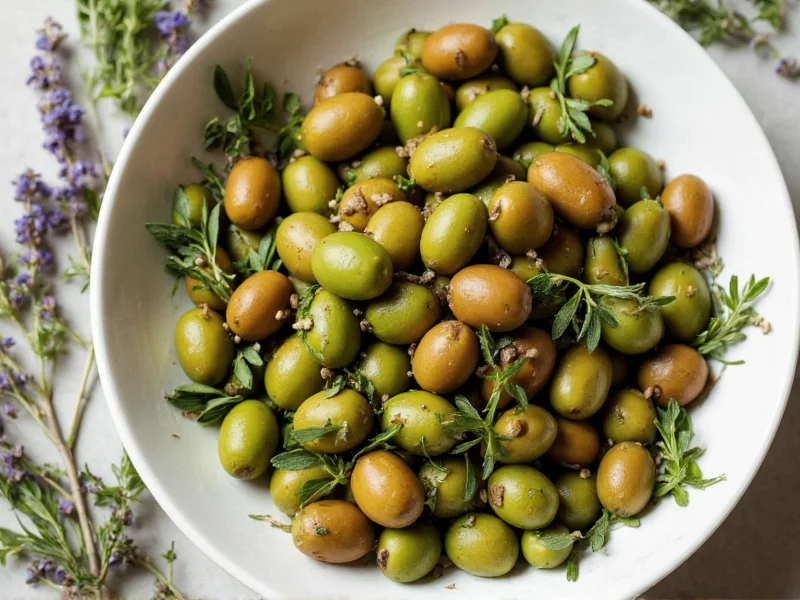
When exploring the culinary magic of olive and thyme, you're tapping into a flavor synergy perfected over centuries in Mediterranean cooking traditions. The herbal brightness of thyme cuts through the oiliness of olives while enhancing their natural fruitiness, creating a harmonious balance that elevates simple ingredients into extraordinary dishes. Understanding how to properly combine these elements can transform your everyday cooking into restaurant-quality meals with minimal effort.
The Science Behind the Perfect Pairing
Thyme contains thymol, a compound that enhances savory flavors while reducing perceived bitterness. This makes it particularly effective with olives, which can sometimes have bitter notes depending on variety and curing method. The volatile oils in fresh thyme interact with olive oil's fatty acids, creating new aromatic compounds that neither ingredient produces alone. This chemical interaction explains why the combination tastes greater than the sum of its parts.
Choosing the Right Olive Varieties
Not all olives work equally well with thyme. Understanding olive characteristics helps create balanced dishes:
| Olives | Best Thyme Pairings | Ideal Dishes |
|---|---|---|
| Kalamata | Fresh lemon-thyme | Greek salads, lamb roasts |
| Nicoise | Lemon-thyme | Nicoise salad, fish preparations |
| Castelvetrano | Regular thyme | Antipasti, roasted vegetables |
| Green Spanish | Lemon-thyme | Tapenade, chicken dishes |
Thyme Varieties and Their Culinary Impact
Fresh thyme generally provides superior flavor compared to dried when pairing with olives, but understanding the different varieties helps achieve specific results:
- Common Thyme - Earthy, slightly minty flavor ideal for heartier olive varieties
- Lemon Thyme - Bright citrus notes that cut through rich olive oil in Mediterranean fish dishes
- French Thyme - More delicate flavor perfect for subtle olive applications like tapenade
- Winter Thyme - Robust flavor that stands up to bold olives in stews and braises
Signature Dishes Featuring Olive and Thyme
Chefs worldwide rely on this pairing for its versatility across multiple cooking techniques. The most successful applications include:
Roasted Meats with Olive-Thyme Crust
Finely chopped olives combined with minced thyme, garlic, and breadcrumbs create an exceptional crust for lamb, chicken, or pork. The olive's saltiness penetrates the meat while thyme's essential oils infuse aromatic complexity. For best results, use a 3:1 ratio of olives to thyme by volume.
Mediterranean Olive-Thyme Bread
Incorporating both ingredients into bread dough requires careful timing. Add chopped olives during the final knead to prevent crushing, then sprinkle thyme on top before baking. The steam released during baking carries thyme's volatile oils through the loaf, while olives create pockets of intense flavor.
Classic Provençal Tapenade
The traditional French olive spread gains complexity when fresh thyme replaces some of the traditional capers. Use 1 tablespoon fresh thyme leaves per cup of olives for optimal flavor balance. This ratio prevents thyme from overwhelming the olive's natural fruitiness while adding herbal dimension.
Professional Cooking Techniques
Mastering olive and thyme combinations requires understanding proper preparation methods:
- Infusing oils - Gently heat olive oil with thyme sprigs (never boiling) to extract flavors without bitterness
- Marinating proteins - Combine chopped olives, thyme, garlic, and lemon zest for 4-6 hours before cooking
- Finishing dishes - Add fresh thyme in the last 5 minutes of cooking to preserve volatile oils
- Balancing saltiness - Rinse olives thoroughly and adjust additional salt based on olive variety
Common Mistakes to Avoid
Even experienced cooks make errors when working with this classic pairing:
- Using dried thyme as a direct substitute for fresh (use 1/3 the amount)
- Adding thyme too early in cooking, causing bitterness
- Overprocessing olives in food processors, creating a pasty texture
- Not accounting for varying salt levels in different olive varieties
- Pairing strong thyme varieties with delicate olives like Cerignola
Storage and Preparation Tips
Proper handling preserves the integrity of both ingredients:
- Store fresh thyme in a glass of water like flowers, covered with a plastic bag in the refrigerator
- Keep olives submerged in their brine to maintain texture and flavor
- Remove thyme leaves from stems by running fingers downward against growth direction
- Chop olives with a serrated knife to prevent crushing
- Freeze thyme in olive oil cubes for convenient cooking
Expanding Your Culinary Repertoire
Once comfortable with basic olive and thyme applications, consider these advanced techniques:
- Create olive-thyme compound butter for finishing steaks
- Infuse olive oil with thyme for distinctive salad dressings
- Make olive-thyme pesto as a sandwich spread or pasta sauce
- Develop olive-thyme vinaigrette with Dijon mustard for roasted vegetable salads
- Experiment with olive-thyme ice cream for a surprising savory dessert course
Frequently Asked Questions
Can I substitute dried thyme for fresh when cooking with olives?
Yes, but use one-third the amount of dried thyme compared to fresh. Dried thyme has concentrated flavor compounds that can become overpowering. For best results in olive-based dishes, rehydrate dried thyme in warm olive oil for 10 minutes before use to restore some volatile oils.
Which olive varieties work best with thyme in salad applications?
Kalamata and Nicoise olives provide the ideal balance for salads. Their moderate saltiness complements thyme's earthiness without overwhelming other ingredients. Avoid overly briny olives like green Spanish in fresh applications, as they can dominate the delicate herbal notes of thyme.
How do I prevent thyme from becoming bitter when cooking with olives?
Add fresh thyme during the last 5-7 minutes of cooking to preserve its delicate flavor compounds. When using in olive-based sauces or stews, tie thyme sprigs together with kitchen twine for easy removal before bitterness develops. Never boil thyme vigorously, as high heat releases bitter compounds.
What's the ideal ratio of olives to thyme in most recipes?
The standard professional ratio is 3 parts olives to 1 part fresh thyme by volume. For example, in a tapenade, use 3 tablespoons chopped olives to 1 tablespoon minced thyme. This balance allows the olive's richness to shine while thyme provides complementary herbal notes without domination.
Can I grow olive trees and thyme together in the same garden?
Yes, olive trees and thyme make excellent garden companions. Both thrive in similar Mediterranean conditions with full sun and well-draining soil. Plant thyme around the base of young olive trees to suppress weeds and retain moisture. The aromatic thyme may also help deter certain pests from your olive trees while creating a beautiful, functional landscape.




 浙公网安备
33010002000092号
浙公网安备
33010002000092号 浙B2-20120091-4