
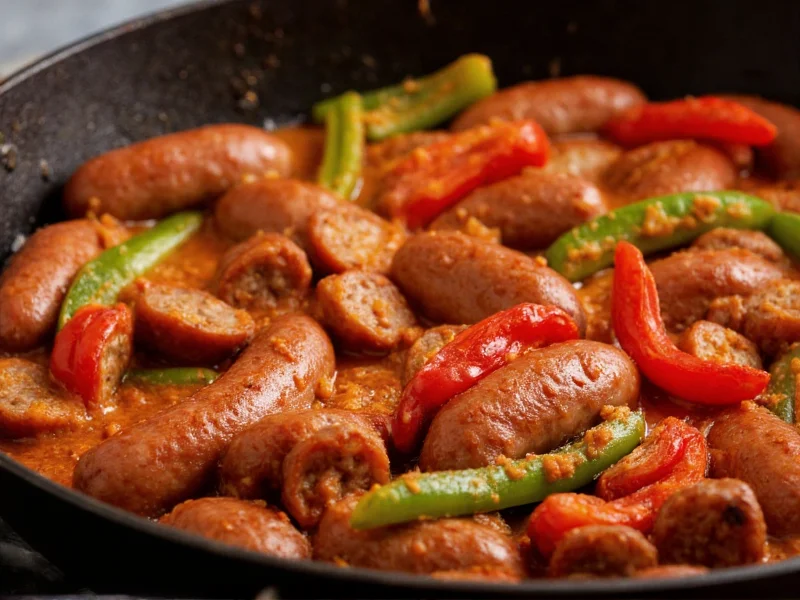
Nothing captures the essence of Italian-American home cooking quite like a plate of old fashioned Italian sausage and peppers baked in the oven. This timeless recipe transforms humble ingredients into a hearty, flavorful meal that has graced family dinner tables for generations. Unlike grilled versions, the oven method provides consistent results with minimal hands-on time while developing deep caramelized flavors through even roasting.
The Essence of Authentic Italian Sausage and Peppers
Understanding what makes this dish authentically "old fashioned" is key to perfecting your preparation. Traditional Italian sausage and peppers recipes originated in Italian immigrant communities in the United States, particularly in New York City. The dish combines sweet Italian sausage (typically pork-based with fennel and garlic) with colorful bell peppers and onions—a combination that represents the agricultural bounty available to early Italian settlers.
What distinguishes the oven-baked version from other cooking methods is its ability to develop complex flavors through controlled caramelization without requiring constant attention. The dry heat of the oven concentrates the natural sugars in the vegetables while rendering the sausage fat slowly, creating a rich pan sauce as the ingredients roast together.
Essential Ingredients for Traditional Flavor
The magic of this old fashioned Italian sausage and peppers in oven recipe lies in its simplicity and quality of ingredients. Here's what you'll need for an authentic preparation:
| Ingredient | Traditional Choice | Why It Matters |
|---|---|---|
| Italian Sausage | Sweet Italian pork sausage (about 2 lbs) | Provides the foundational flavor; sweet variety balances the peppers' acidity |
| Bell Peppers | 3-4 mixed colors (red, yellow, green) | Different colors offer varying sweetness levels that caramelize beautifully |
| Onions | 1 large yellow or sweet onion | Adds depth and balances the sweetness of peppers |
| Olive Oil | 3-4 tablespoons extra virgin | Traditional fat that carries flavors and aids caramelization |
| Garlic | 4-5 cloves, minced | Essential aromatic that defines Italian cooking |
| Herbs | Fresh oregano and basil | Provides authentic Italian flavor profile |
Step-by-Step Oven Preparation Method
Follow these detailed steps for perfect old fashioned Italian sausage and peppers in oven every time:
Preparation (10 minutes)
- Preheat your oven to 400°F (200°C) with rack positioned in the center
- Wash and dry bell peppers, then slice into 1/2-inch strips
- Peel and slice onion into 1/2-inch wedges
- Prick sausage links 3-4 times with a fork to prevent bursting
- In a large bowl, combine peppers, onions, 3 tablespoons olive oil, minced garlic, 1 teaspoon salt, and 1/2 teaspoon black pepper
Arranging for Optimal Cooking
Proper arrangement in the baking pan is crucial for achieving the best results with your Italian sausage and peppers oven recipe. Use a rimmed baking sheet or roasting pan large enough to hold all ingredients in a single layer without crowding. Place sausage links in the center of the pan and arrange vegetables around them. This configuration allows the sausage fat to render and baste the vegetables as they cook.
For the most authentic old fashioned Italian sausage and peppers, avoid overcrowding the pan. If necessary, use two pans rather than stacking ingredients. Crowded vegetables will steam rather than roast, preventing the desirable caramelization that defines this dish.
Baking Process (25-30 minutes)
- Place the arranged ingredients in the preheated oven
- After 15 minutes, carefully flip sausage links and stir vegetables
- Continue roasting for another 10-15 minutes until sausage reaches 160°F internal temperature
- Remove when vegetables are tender-crisp with slightly charred edges
- Optional: Broil for 1-2 minutes for additional charring (watch carefully)
Common Mistakes to Avoid
Even experienced cooks can encounter pitfalls when preparing traditional Italian sausage and peppers in oven. Here are the most frequent errors and how to avoid them:
- Using the wrong temperature: Too low (below 375°F) prevents proper caramelization; too high (above 425°F) burns the exterior before interior cooks. 400°F is the sweet spot for old fashioned Italian sausage and peppers.
- Overcrowding the pan: This steams rather than roasts the ingredients. Use a pan large enough for a single layer with space between items.
- Not pricking the sausage: Skipping this step can cause sausage to burst, losing precious flavor into the pan.
- Adding liquid: Authentic old fashioned Italian sausage and peppers requires no added liquid—the natural juices create sufficient moisture.
- Underseasoning: Italian sausage is well-seasoned, but vegetables need proper salting to enhance their natural sweetness.
Serving Traditions and Pairings
In Italian-American tradition, old fashioned Italian sausage and peppers is typically served family-style, directly from the roasting pan. The dish shines when presented in its rustic simplicity:
- Serve immediately while hot, directly from the roasting pan for maximum presentation impact
- Offer crusty Italian bread or garlic bread on the side for soaking up the flavorful pan juices
- Traditional accompaniments include a simple green salad with vinaigrette
- For a complete meal, pair with pasta (like spaghetti or penne) tossed in olive oil
- Garnish with fresh chopped parsley or basil just before serving
The beauty of this traditional Italian sausage and peppers oven recipe is its versatility. It works equally well as a main course for weeknight dinners or as part of a larger spread for weekend gatherings. Many Italian-American families serve this dish during holiday celebrations, particularly around Christmas and Easter.
Variations on the Classic Recipe
While purists may insist on the simplest preparation, many families have developed their own variations on old fashioned Italian sausage and peppers. These authentic adaptations maintain the spirit of the original while adding personal touches:
- Wine-Enhanced Version: After removing from oven, deglaze the pan with 1/4 cup of dry white wine, scraping up browned bits for an instant sauce
- Tomato Addition: Add 1 cup of cherry tomatoes during the last 10 minutes of cooking for a slight acidity
- Spicy Kick: Substitute hot Italian sausage for part of the sweet variety, or add red pepper flakes during preparation
- Herb Variations: Some families include fresh rosemary or thyme for additional complexity
- Vegetable Additions: Traditionalists might add mushrooms or zucchini for a more substantial vegetable component
Storage and Reheating Tips
One of the advantages of this old fashioned Italian sausage and peppers in oven recipe is that it often tastes even better the next day as the flavors continue to meld. For proper storage:
- Cool completely before storing (about 30 minutes at room temperature)
- Transfer to airtight containers within 2 hours of cooking
- Refrigerate for up to 4 days or freeze for up to 3 months
- To reheat, place in oven at 350°F until heated through (15-20 minutes)
- Microwave reheating is possible but won't restore the roasted texture
When reheating, consider adding a splash of olive oil or broth to refresh the dish. The natural juices will redistribute during reheating, often enhancing the flavors beyond the initial preparation.
Why Oven Method Stands the Test of Time
The enduring popularity of this old fashioned Italian sausage and peppers in oven recipe speaks to its perfect balance of simplicity and flavor. Unlike grilling or stovetop methods, the oven provides consistent, hands-off cooking that develops complex caramelized flavors through even heat distribution. This traditional preparation method requires minimal equipment—just a baking sheet and basic kitchen tools—making it accessible to cooks of all skill levels.
More importantly, this recipe embodies the Italian-American cooking philosophy of mangia bene, spendi poco (eat well, spend little)—transforming affordable, readily available ingredients into a meal that feels special and satisfying. The dish's versatility across seasons, occasions, and dietary preferences (with appropriate substitutions) ensures its continued place in family cooking traditions.
Frequently Asked Questions
What's the best type of Italian sausage for oven-baked peppers?
Sweet Italian sausage is the traditional choice for old fashioned Italian sausage and peppers. Look for pork-based sausage with fennel seed as the primary seasoning. Avoid presliced or pre-cooked varieties, as they won't render properly during roasting. The sausage should have about 20-25% fat content for optimal flavor and juiciness.
Can I use frozen peppers for traditional Italian sausage and peppers?
While fresh peppers are ideal for authentic old fashioned Italian sausage and peppers, you can use frozen peppers in a pinch. Thaw completely and pat very dry before using, as excess moisture will prevent proper caramelization. Expect slightly softer texture and less vibrant color compared to fresh peppers, but the flavor will still be acceptable.
How do I know when Italian sausage is fully cooked in the oven?
The most reliable method is using a meat thermometer—Italian sausage is fully cooked at 160°F internal temperature. Visually, properly cooked sausage will be firm to the touch with no pink remaining in the center. The casing should be browned and slightly crisp. Never rely solely on color or cooking time, as sausage thickness and oven variations affect cooking duration.
Why are my oven-baked peppers soggy instead of caramelized?
Soggy peppers typically result from overcrowding the pan or insufficient oven temperature. Ensure vegetables are arranged in a single layer with space between them, and verify your oven is properly preheated to 400°F. Excess moisture from unwashed or wet vegetables can also cause steaming rather than roasting. Pat vegetables thoroughly dry before tossing with oil and seasoning.
Can I make old fashioned Italian sausage and peppers ahead of time?
Yes, this dish reheats exceptionally well and often tastes better the next day as flavors continue to meld. Prepare completely, cool, and store in an airtight container. When reheating, place in a 350°F oven for 15-20 minutes until heated through. Avoid microwaving if you want to maintain the roasted texture. For best results, add a small splash of olive oil or broth before reheating.




 浙公网安备
33010002000092号
浙公网安备
33010002000092号 浙B2-20120091-4