
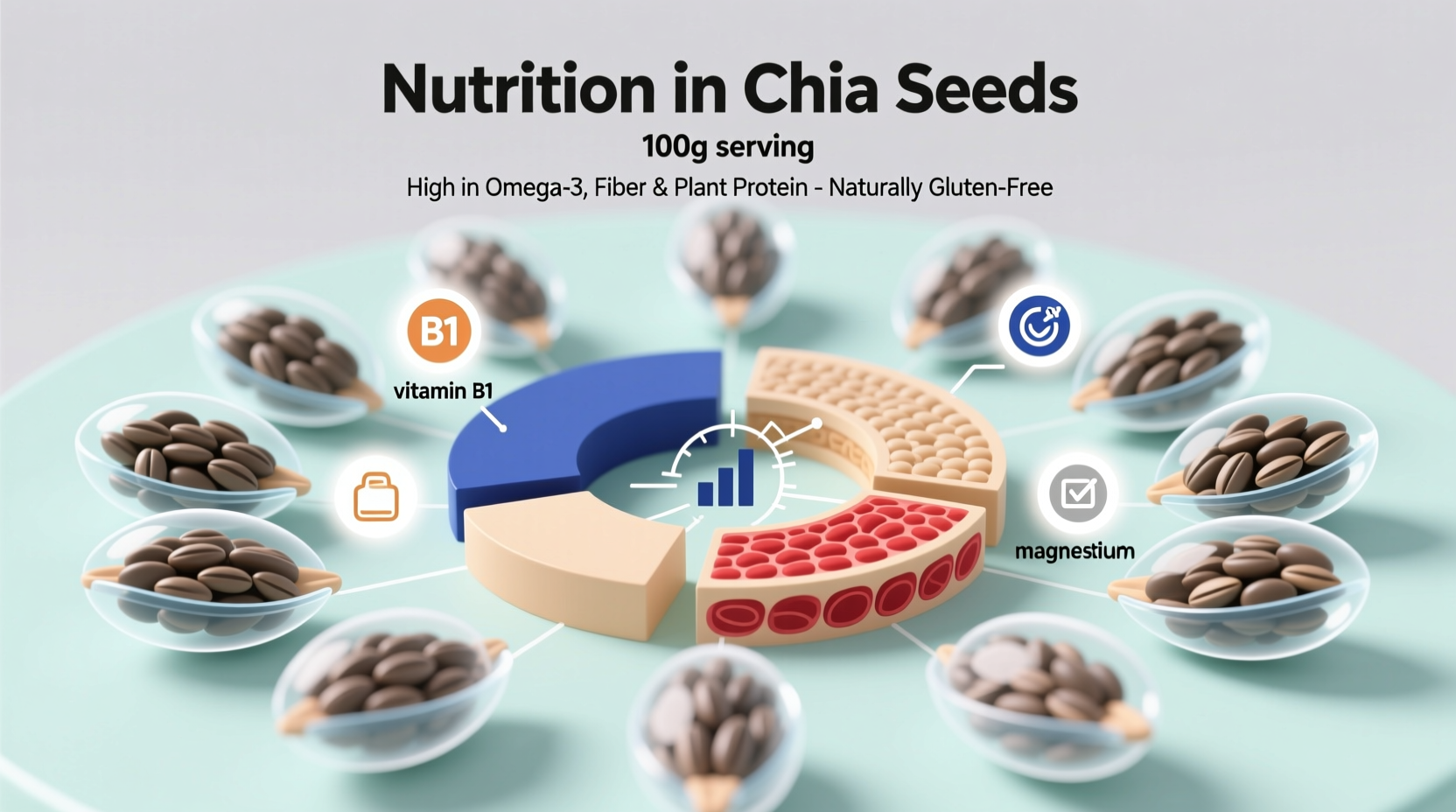
Chia seeds pack 138 calories, 8.7g fat (5g omega-3s), 4.7g protein, and 9.8g fiber per ounce (28g). These nutrient-dense seeds provide 18% of daily calcium, 27% of phosphorus, and 30% of manganese needs, making them a powerhouse for heart health, digestion, and bone strength.
Unlock the full potential of these ancient superfoods with this science-backed guide. Whether you're managing blood sugar, boosting athletic performance, or seeking plant-based nutrition, you'll discover exactly how chia seeds can transform your health—and how to use them effectively without digestive discomfort.
Why Chia Seeds Deserve Your Daily Attention
These tiny black and white seeds from Salvia hispanica have fueled Mesoamerican civilizations for centuries. Modern research confirms what Aztec warriors knew: chia's unique nutritional profile delivers measurable health benefits. Let's break down exactly what makes them exceptional.
Decoding the Nutritional Powerhouse
One ounce (28g) of chia seeds—the perfect daily serving—contains these vital nutrients according to USDA FoodData Central:
| Nutrient | Amount per Ounce | % Daily Value |
|---|---|---|
| Calories | 138 | 7% |
| Fiber | 9.8g | 39% |
| Omega-3 Fatty Acids | 5g | 318%* |
| Protein | 4.7g | 9% |
| Calcium | 177mg | 18% |
*Based on 1.6g daily ALA recommendation for adults (National Academies of Sciences, Engineering, and Medicine)
Unlike flaxseeds, chia seeds don't require grinding to access their omega-3s. Their soluble fiber forms a gel when wet, slowing digestion and stabilizing blood sugar—making them ideal for diabetes management according to a 2012 study in Nutrition Research.
Science-Backed Health Benefits You Can Trust
Heart Health Champion
Chia's combination of omega-3s, fiber, and antioxidants directly impacts cardiovascular health. Research published in the Journal of Food Science and Technology shows regular consumption lowers triglycerides by 25% and increases HDL (good) cholesterol. The high fiber content also helps reduce LDL cholesterol absorption.
Digestive System Support
With nearly 10g of fiber per serving—more than bran flakes—chia seeds promote regular bowel movements. Their dual fiber composition (soluble and insoluble) feeds beneficial gut bacteria while adding bulk to stool. Start with 1 teaspoon daily if you're new to high-fiber foods to avoid bloating.
Bone Strength Builder
Chia seeds deliver more calcium than dairy milk by weight (177mg per ounce vs 125mg in milk). They also contain boron, which helps metabolize calcium, magnesium, and phosphorus—critical for bone health. This makes them particularly valuable for plant-based diets, as confirmed by research from Harvard T.H. Chan School of Public Health.
Practical Usage Guide: Maximizing Benefits
The Perfect Daily Serving
Stick to 1 ounce (28g or 2 tablespoons) daily. This delivers maximum benefits without overwhelming your digestive system. Larger amounts may cause:
- Abdominal discomfort in sensitive individuals
- Potential medication interactions (blood thinners)
- Nutrient imbalances if displacing other food groups
Four Simple Incorporation Methods
- Overnight chia pudding: Mix 3 tbsp seeds with 1 cup plant milk + vanilla. Refrigerate 4+ hours
- Smoothie booster: Add 1 tbsp to smoothies for thickness and nutrition
- Egg replacement: 1 tbsp seeds + 3 tbsp water = 1 egg in baking
- Salad topper: Sprinkle dry seeds on greens for crunch
Avoiding Common Mistakes
Never consume dry chia seeds by the spoonful—they can expand in your throat. Always pair with adequate liquid. For optimal nutrient absorption, soak seeds for 15+ minutes before eating. Store in airtight containers in the refrigerator to prevent rancidity.
Chia Seeds vs. Similar Superfoods
How do chia seeds compare to other popular seeds? This comparison helps you choose wisely based on your health goals:
| Nutrient (per ounce) | Chia Seeds | Flax Seeds | Hemp Seeds |
|---|---|---|---|
| Omega-3s | 5,000mg | 6,388mg | 8,000mg |
| Fiber | 9.8g | 7.6g | 1.2g |
| Protein | 4.7g | 5.1g | 9.2g |
| Calcium | 177mg | 77mg | 15mg |
When to choose chia: For blood sugar control, bone health, and maximum fiber. Their neutral taste works in both sweet and savory dishes without grinding.
When to choose alternatives: Flax for higher omega-3 concentration (if ground fresh), hemp for complete protein profile.
Important Considerations for Safe Consumption
While generally safe, chia seeds require these precautions:
- Digestive sensitivity: Start with 1 teaspoon daily if new to high-fiber foods
- Medication interactions: Consult your doctor if taking blood thinners (high omega-3 content)
- Choking risk: Never eat dry by the spoon—always consume with liquid
- Allergies: Rare but possible—discontinue use if experiencing itching or swelling
Individuals with inflammatory bowel disease should consult a dietitian before regular consumption. The high fiber content may exacerbate symptoms during flare-ups, though many find chia beneficial during remission phases according to Crohn's & Colitis Foundation guidelines.
Your Chia Seed Journey Starts Today
With their unmatched combination of fiber, omega-3s, and minerals, chia seeds offer one of the most efficient nutritional boosts available. By following these evidence-based guidelines, you'll harness their full potential without common pitfalls. Remember: consistency beats quantity. Just one tablespoon daily, properly prepared, delivers meaningful health benefits over time.




 浙公网安备
33010002000092号
浙公网安备
33010002000092号 浙B2-20120091-4