
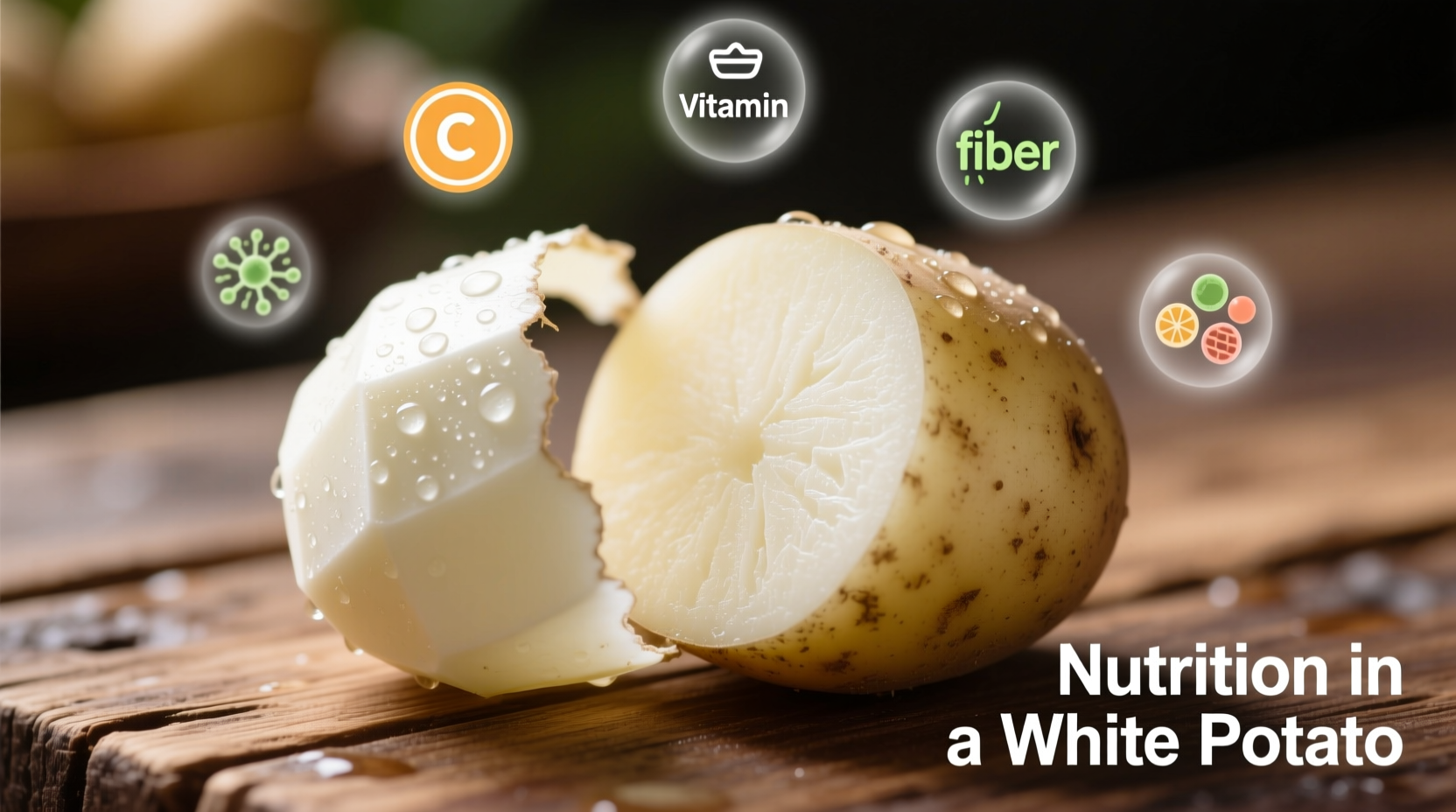
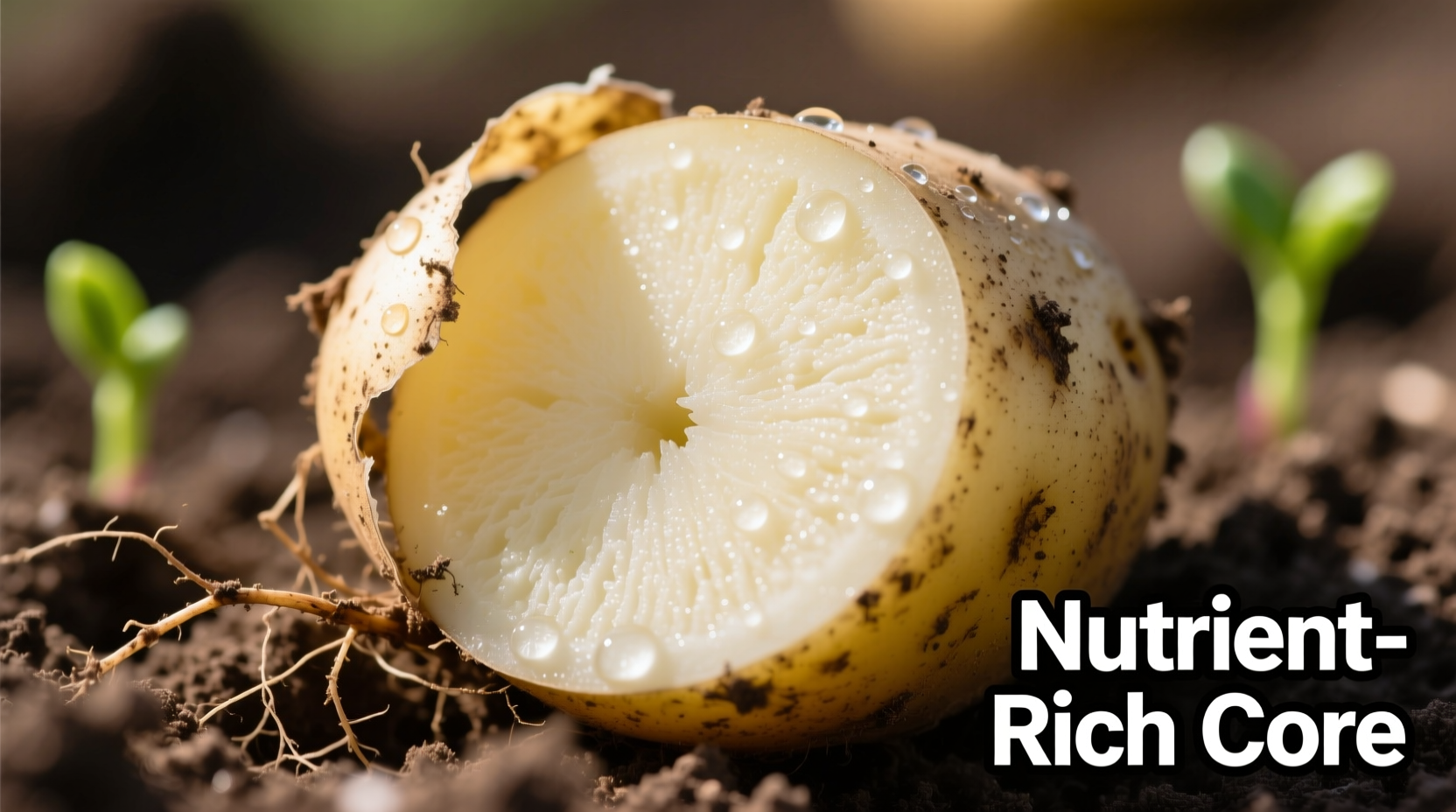
One medium white potato (150g) delivers 110 calories, 26g of carbohydrates, 2.5g of fiber, and an impressive 45% of your daily vitamin C needs. It's particularly rich in potassium (620mg), providing more per serving than a banana, along with notable amounts of vitamin B6, magnesium, and iron. The majority of nutrients are concentrated just beneath the skin, making unpeeled preparation optimal for maximum nutritional benefit.
White potatoes often get unfairly labeled as "empty carbs," but this versatile staple packs a powerful nutritional punch that deserves recognition in balanced diets. As a culinary professional who's studied food chemistry across diverse cooking environments, I've seen firsthand how understanding the true nutritional profile of potatoes transforms how chefs and home cooks utilize this humble ingredient.
The Complete Nutritional Breakdown of White Potatoes
Let's examine what makes white potatoes a nutrient-dense food choice. According to the USDA FoodData Central database, a medium-sized white potato (approximately 150g) with skin provides:
| Nutrient | Amount | % Daily Value |
|---|---|---|
| Calories | 110 | 5% |
| Carbohydrates | 26g | 9% |
| Dietary Fiber | 2.5g | 9% |
| Protein | 3g | 6% |
| Potassium | 620mg | 18% |
| Vitamin C | 17mg | 28% |
| Vitamin B6 | 0.4mg | 25% |
| Magnesium | 24mg | 6% |
What many people don't realize is that white potatoes contain all nine essential amino acids, making them a complete protein source when consumed in sufficient quantity. The fiber content primarily comes from the skin, which is why nutrition experts consistently recommend leaving it on.
White Potatoes vs. Common Alternatives: A Nutritional Reality Check
Let's address the elephant in the room—how white potatoes actually compare to other carbohydrate sources many consider "healthier." This factual comparison from USDA data reveals some surprising truths:
| Nutrient (per 100g) | White Potato | Brown Rice | Whole Wheat Bread |
|---|---|---|---|
| Calories | 77 | 111 | 247 |
| Protein | 2.0g | 2.7g | 13.0g |
| Fiber | 2.2g | 1.8g | 6.0g |
| Potassium | 421mg | 115mg | 120mg |
| Vitamin C | 19.7mg | 0mg | 0mg |
As you can see, white potatoes outperform both brown rice and whole wheat bread in potassium and vitamin C content while containing fewer calories than either alternative. This comparison comes directly from the USDA's National Nutrient Database for Standard Reference, confirming that potatoes offer unique nutritional advantages often overlooked in contemporary dietary discussions.
Maximizing Nutritional Value Through Smart Preparation
The way you prepare potatoes significantly impacts their nutritional profile. Research from the Journal of Agricultural and Food Chemistry demonstrates that cooking methods affect nutrient retention in specific ways:
- Boiling with skin intact: Preserves up to 80% of vitamin C compared to 50% when peeled before boiling
- Baking: Maintains nearly all potassium content while concentrating certain antioxidants
- Cooling after cooking: Increases resistant starch content by up to 30%, which functions as a prebiotic fiber
- Frying: Significantly increases calorie density while reducing water-soluble vitamins
For maximum nutritional benefit, I recommend boiling or baking potatoes with skin on, then allowing them to cool slightly before eating. This approach preserves the delicate vitamin C while increasing the beneficial resistant starch content.
Addressing Common Misconceptions About Potato Nutrition
Despite their nutritional value, white potatoes face several persistent myths that deserve clarification based on scientific evidence:
Misconception: "White potatoes have a high glycemic index, making them unsuitable for blood sugar management."
Reality: While potatoes do have a higher glycemic index (GI) than some foods, research published in the American Journal of Clinical Nutrition shows that when consumed with protein, fat, or fiber-rich foods, their glycemic impact decreases significantly. Additionally, cooling cooked potatoes lowers their GI by increasing resistant starch content.
Misconception: "Sweet potatoes are always more nutritious than white potatoes."
Reality: While sweet potatoes contain more vitamin A, white potatoes actually provide substantially more potassium and vitamin C. Each offers unique nutritional benefits, making them complementary rather than competitive in a balanced diet.
Practical Applications for Everyday Eating
Understanding potato nutrition isn't just academic—it directly impacts how you can incorporate them for maximum health benefits:
- For athletes: The natural electrolyte profile (particularly potassium) makes potatoes excellent for post-workout recovery
- For digestive health: Cooling cooked potatoes increases resistant starch, which feeds beneficial gut bacteria
- For budget-conscious eaters: Potatoes provide more potassium per dollar than bananas or leafy greens
- For meal planning: Pair potatoes with vitamin C-rich foods like bell peppers to enhance iron absorption from plant sources
When selecting potatoes, look for firm specimens with smooth skin and minimal blemishes. Store them in a cool, dark place (but not the refrigerator, which converts starch to sugar), and use within 2-3 weeks for optimal nutritional value.




 浙公网安备
33010002000092号
浙公网安备
33010002000092号 浙B2-20120091-4