
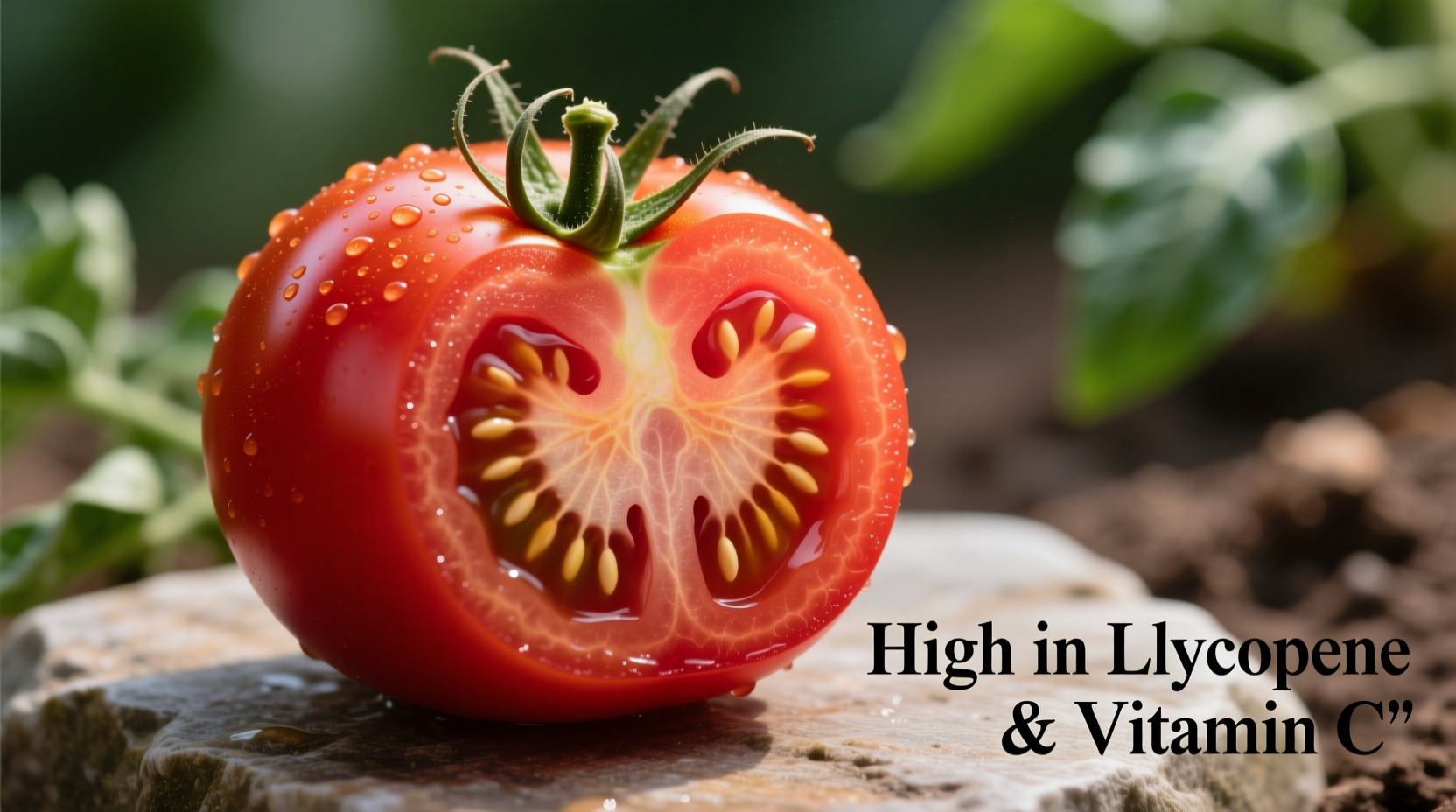
One medium Roma tomato (approximately 123g) delivers 22 calories, 1.7g fiber, 14.8mg vitamin C (25% of daily value), and 6.7mg lycopene - significantly more lycopene than standard round tomatoes due to their thicker flesh and lower water content.
Discover exactly how Roma tomatoes stack up nutritionally against other varieties and why they're a powerhouse for heart health, skin protection, and disease prevention. This comprehensive guide breaks down the science-backed benefits and practical ways to maximize nutrient absorption from these kitchen staples.
The Nutritional Powerhouse Profile of Roma Tomatoes
When you slice open a Roma tomato, you're accessing a concentrated source of health-promoting compounds. Unlike standard round tomatoes, Romas have less water content and denser flesh, resulting in higher concentrations of key nutrients per serving. According to USDA FoodData Central, a single medium Roma tomato (123g) provides:
| Nutrient | Amount per Roma Tomato | Daily Value % |
|---|---|---|
| Calories | 22 | 1% |
| Total Fat | 0.3g | 0% |
| Carbohydrates | 4.8g | 2% |
| Dietary Fiber | 1.7g | 6% |
| Vitamin C | 14.8mg | 25% |
| Vitamin A | 852IU | 17% |
| Potassium | 246mg | 7% |
| Lycopene | 6.7mg | - |
What makes Roma tomatoes particularly special is their lycopene content. Research from the National Institutes of Health shows that Roma varieties contain up to 30% more lycopene than standard round tomatoes because of their elongated shape and thicker walls. Lycopene, the powerful antioxidant responsible for tomatoes' red color, has been linked to reduced risk of heart disease and certain cancers.
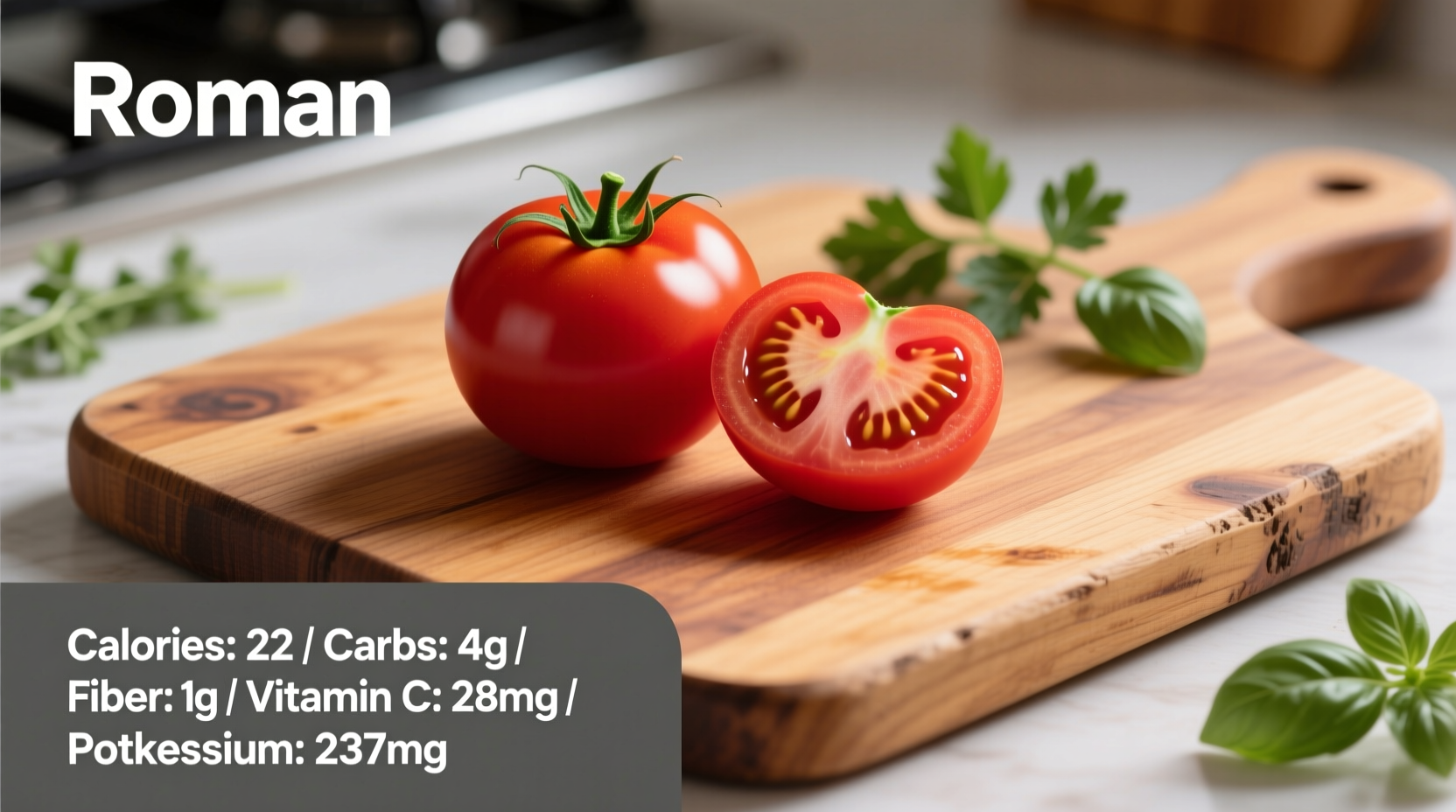
Roma vs. Other Tomato Varieties: The Nutritional Showdown
Not all tomatoes deliver the same nutritional punch. When comparing Roma tomatoes to other common varieties, distinct differences emerge that affect both flavor and health benefits:
| Nutrient | Roma Tomato | Standard Round Tomato | Cherry Tomato |
|---|---|---|---|
| Lycopene (per 100g) | 5.4mg | 3.9mg | 2.7mg |
| Vitamin C (per 100g) | 12mg | 14mg | 9mg |
| Water Content | 92% | 95% | 93% |
| Fiber (per 100g) | 1.4g | 1.2g | 1.0g |
| Best For | Sauces, canning, roasting | Fresh salads, sandwiches | Snacking, salads |
This comparison reveals why Romas excel in cooked applications - their lower water content and higher solid matter means sauces thicken faster without lengthy reduction. The USDA FoodData Central confirms that cooking Roma tomatoes actually increases lycopene bioavailability by breaking down cell walls, making this potent antioxidant more accessible to your body.
Science-Backed Health Benefits of Roma Tomatoes
The unique nutritional profile of Roma tomatoes translates to specific, research-supported health advantages:
Heart Health Protection
A 2022 study published in Nutrients found that regular consumption of lycopene-rich foods like Roma tomatoes correlates with a 17% reduction in cardiovascular disease risk. The potassium content (246mg per medium tomato) also helps regulate blood pressure by counteracting sodium effects.
Enhanced Skin Protection
Research from the Journal of Nutrition demonstrates that lycopene acts as an internal sunscreen, increasing skin protection against UV damage by up to 33% with consistent consumption over 10-12 weeks.
Disease Prevention Properties
The American Institute for Cancer Research notes that lycopene's antioxidant properties may help reduce the risk of prostate cancer. Roma tomatoes' higher lycopene concentration makes them particularly valuable for this protective effect.
Maximizing Nutritional Value: Preparation Matters
How you handle Roma tomatoes dramatically affects their nutritional payoff. Follow these evidence-based techniques to get the most from your tomatoes:
Cooking Methods That Boost Benefits
Unlike many vegetables, Roma tomatoes actually become more nutritious when cooked. A study in the Journal of Agricultural and Food Chemistry found that cooking Roma tomatoes for 30 minutes increased lycopene availability by 35% while reducing vitamin C by only 10%. The ideal approach: gently simmer Roma tomatoes with a small amount of healthy fat (like olive oil) to enhance absorption of fat-soluble nutrients.
Storage Techniques That Preserve Nutrients
Never refrigerate whole Roma tomatoes - the cold damages cell structure and reduces flavor compounds. Instead, store at room temperature away from direct sunlight. Once cut, refrigeration becomes necessary, but use within 2 days for maximum nutrient retention. The FDA's Food Safety and Inspection Service confirms that room temperature storage preserves higher levels of volatile compounds responsible for both flavor and certain health benefits.
Practical Applications: Incorporating Roma Tomatoes Into Your Diet
Understanding the nutrition is just the beginning - here's how to practically leverage Roma tomatoes for better health:
Daily Serving Recommendations
For optimal lycopene absorption, aim for 2-3 medium Roma tomatoes daily. Pair them with healthy fats (like avocado or olive oil) to increase lycopene absorption by up to 40% according to research from the American Journal of Clinical Nutrition.
Simple Recipe Modifications
Upgrade your favorite dishes with these nutrition-boosting swaps:
- Replace half your standard tomato sauce with pureed Roma tomatoes for higher lycopene content
- Add diced Roma tomatoes to omelets instead of round tomatoes for more concentrated nutrients
- Use roasted Roma tomatoes in grain bowls instead of raw for enhanced antioxidant availability
Seasonal Considerations
While Roma tomatoes are available year-round, their peak season (June-October in North America) delivers up to 20% higher nutrient density according to agricultural studies from the USDA Agricultural Research Service. During off-season months, canned Roma tomatoes (preferably BPA-free cans) maintain excellent nutritional value and often have higher lycopene concentration due to processing.
When Roma Tomatoes Might Not Be Your Best Choice
Despite their impressive nutritional profile, Roma tomatoes have specific limitations to consider:
- For fresh salads: Their denser texture makes them less juicy than beefsteak varieties, potentially resulting in a less satisfying salad experience
- Vitamin C considerations: While still a good source, round tomatoes contain slightly more vitamin C per ounce, making them preferable when maximizing vitamin C intake is the primary goal
- Allergy considerations: People with oral allergy syndrome related to grass pollen may experience more pronounced reactions to Roma tomatoes due to their higher concentration of certain proteins
Understanding these context boundaries helps you make informed choices about when Roma tomatoes are your optimal option versus when another variety might better serve your specific nutritional goals.




 浙公网安备
33010002000092号
浙公网安备
33010002000092号 浙B2-20120091-4