
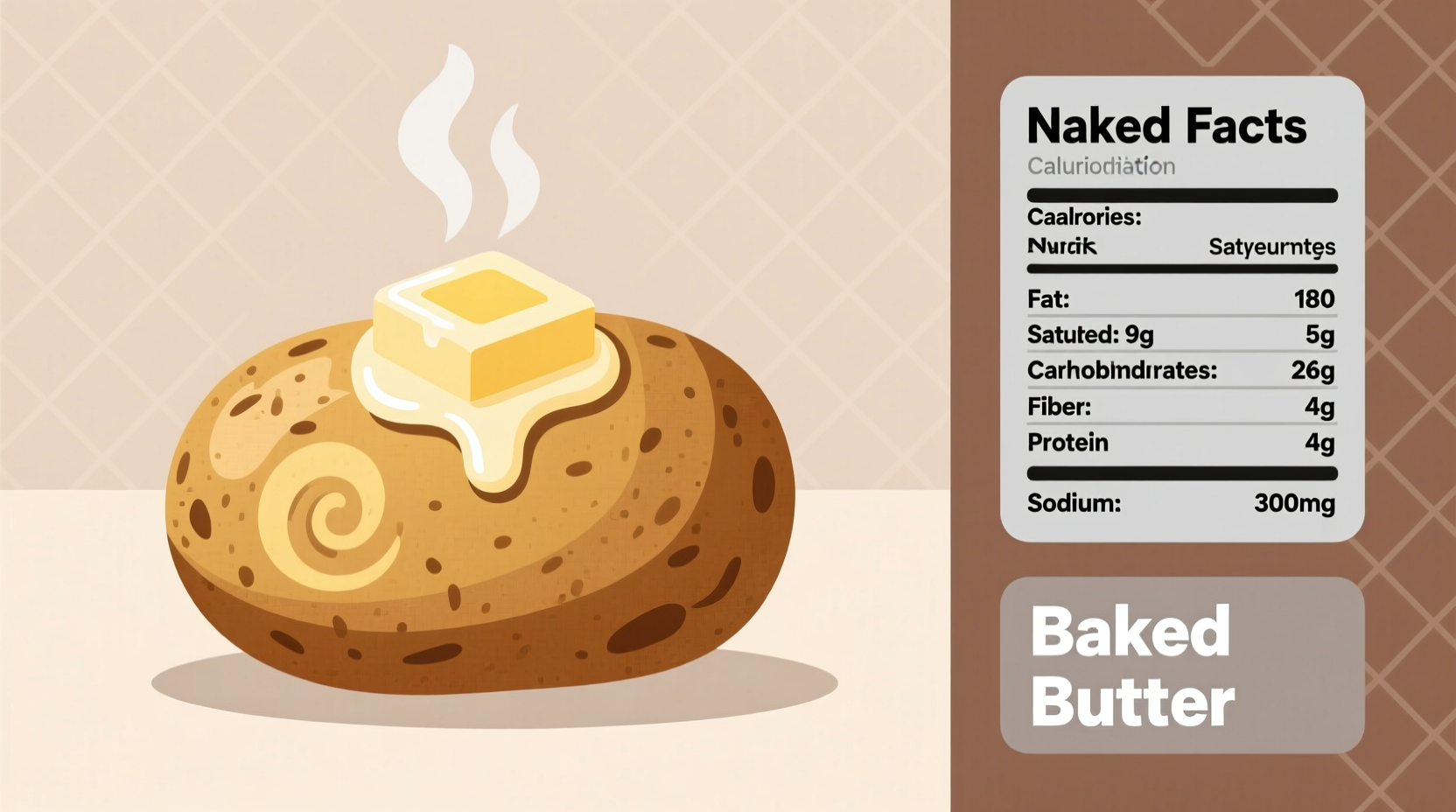
One medium baked potato (150g) with 1 tablespoon of butter contains approximately 295 calories, 37g carbohydrates, 5g protein, and 14g total fat. This combination provides significant potassium (926mg), vitamin C (27mg), and fiber (3.8g), but adds saturated fat that should be considered within your daily dietary goals.
Understanding the precise nutritional value of common foods helps make informed dietary choices. Whether you're tracking calories for weight management, monitoring carbohydrate intake for diabetes control, or simply curious about what's in your favorite comfort food, having accurate data matters. This comprehensive breakdown reveals exactly what you're getting when you enjoy a baked potato with butter—plus practical tips for making this classic combination work within various dietary frameworks.
Complete Nutritional Profile: Baked Potato with Butter
Let's examine the detailed nutritional composition of a standard serving. The following data comes from the USDA FoodData Central database, the most authoritative source for food composition in the United States.
| Nutrient | Baked Potato (150g) | Butter (14g/1 tbsp) | Total with Butter | % Daily Value* |
|---|---|---|---|---|
| Calories | 149 | 102 | 251 | - |
| Total Fat | 0.2g | 11.5g | 11.7g | 15% |
| Saturated Fat | 0.04g | 7.3g | 7.3g | 37% |
| Carbohydrates | 34.7g | 0.04g | 34.7g | 12% |
| Dietary Fiber | 3.8g | 0g | 3.8g | 14% |
| Sugars | 1.7g | 0.04g | 1.7g | - |
| Protein | 3.7g | 0.1g | 3.8g | 8% |
| Potassium | 926mg | 2.4mg | 928mg | 20% |
| Vitamin C | 27mg | 0.1mg | 27mg | 30% |
| Sodium | 13mg | 91mg | 104mg | 4% |
*Percent Daily Values based on a 2,000 calorie diet. Source: USDA FoodData Central entries #11014 (potato) and #01001 (butter)
Why These Numbers Matter for Your Health
The nutritional composition of a baked potato with butter reveals both strengths and considerations for different dietary approaches. Potatoes themselves provide substantial potassium—more than a banana—which supports healthy blood pressure regulation. The vitamin C content (about 30% of your daily needs) functions as an antioxidant and supports immune health.
However, the addition of butter significantly changes the fat profile. While butter contains beneficial fat-soluble vitamins like A, E, and K2, it also contributes 7.3 grams of saturated fat—37% of the American Heart Association's recommended daily limit of 13 grams for a 2,000 calorie diet. This context is crucial for those managing heart health or following specific dietary guidelines.
How Preparation Affects Nutritional Value
The way you prepare your baked potato influences its nutritional profile. Historically, potatoes were often boiled or roasted without added fats, preserving their naturally low-fat composition. Modern preparation methods incorporating butter, sour cream, or cheese significantly alter the nutritional equation.
Consider these preparation variations and their impact:
- Plain baked potato: Naturally low in fat with high fiber and potassium
- With butter: Adds significant saturated fat while enhancing absorption of fat-soluble vitamins
- With olive oil instead of butter: Provides heart-healthy monounsaturated fats (about 14g per tbsp) with only 2g saturated fat
- With skin on vs. off: Keeping the skin adds approximately 2g more fiber per medium potato
Practical Applications for Different Dietary Goals
Understanding how to incorporate baked potatoes with butter into various eating patterns helps maintain both enjoyment and nutritional balance:
For Weight Management
At approximately 251 calories for the base combination, this meal fits within most calorie-controlled plans. To reduce calories while maintaining satisfaction:
- Use half the recommended butter amount (7g) to cut calories to about 200
- Substitute 1 teaspoon of butter with 1 tablespoon of Greek yogurt for creaminess with less fat
- Add herbs like rosemary or garlic powder for flavor without additional calories
For Heart-Healthy Eating
The Dietary Guidelines for Americans 2020-2025 recommend limiting saturated fat to less than 10% of daily calories. For a 2,000 calorie diet, that's about 22 grams maximum. With 7.3g of saturated fat from one tablespoon of butter:
- Consider using whipped butter which contains air, reducing the actual fat content per volume
- Try avocado as a topping alternative (provides heart-healthy monounsaturated fats)
- Use butter spray for minimal fat application while maintaining flavor
For Athletes and Active Individuals
The carbohydrate content (34.7g) makes baked potatoes an excellent energy source before or after workouts. The potassium helps prevent muscle cramps. For optimal performance nutrition:
- Add a small amount of butter for sustained energy release during longer activities
- Pair with a protein source like grilled chicken for muscle recovery
- Time your potato consumption 2-3 hours before endurance activities
Common Questions About Baked Potato Nutrition
Let's address some frequent concerns people have about this classic food combination:
How does the glycemic index affect blood sugar?
Baked potatoes have a relatively high glycemic index (around 85), meaning they can cause quicker blood sugar spikes than some other carbohydrates. However, adding butter (fat) slows digestion and reduces the glycemic response. For those monitoring blood sugar, pairing potatoes with protein and fiber-rich vegetables creates a more balanced meal.
Are sweet potatoes nutritionally superior?
Sweet potatoes contain more vitamin A (as beta-carotene) and generally have a lower glycemic index than white potatoes. However, white potatoes provide more potassium and contain all essential amino acids, making them a complete protein source when consumed in sufficient quantity. Both can be part of a healthy diet—the best choice depends on your specific nutritional goals.
Does the cooking method change nutrient availability?
Yes, significantly. Baking preserves more nutrients than boiling, which leaches water-soluble vitamins into cooking water. The fat from butter actually enhances absorption of fat-soluble vitamins present in the potato, including vitamin E and carotenoids. For maximum nutrient retention, bake potatoes with skin on at moderate temperatures (375-400°F).




 浙公网安备
33010002000092号
浙公网安备
33010002000092号 浙B2-20120091-4