
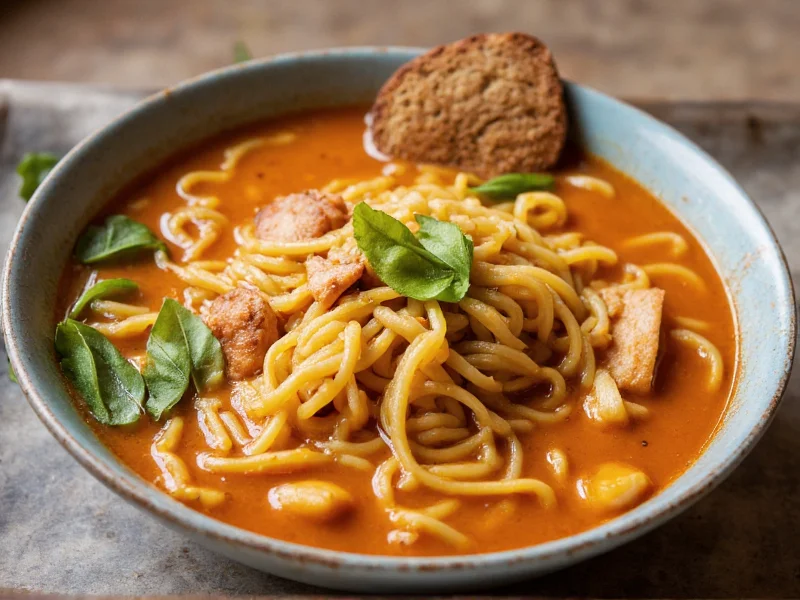
Noodle soup represents one of the world's most universal comfort foods, connecting diverse cultures through a shared appreciation for warm, nourishing meals. The fundamental components—noodles, broth, and complementary ingredients—provide endless possibilities for regional interpretation while maintaining core characteristics that define the category.
The Essential Elements of Noodle Soup
Every authentic noodle soup contains three critical components that work in harmony: the noodle foundation, the broth base, and the supporting ingredients. The quality and preparation of each element determines the final dish's character and satisfaction.
| Noodle Type | Common Regional Use | Best Soup Pairings |
|---|---|---|
| Ramen noodles | Japan | Rich pork or chicken broth with chashu pork |
| Rice noodles | Southeast Asia | Pho with beef broth and herbs |
| Egg noodles | China | Wonton soup with clear broth |
| Udon noodles | Japan | Miso-based broths with vegetables |
| Vermicelli | Mediterranean | Chicken or vegetable broths with herbs |
Global Noodle Soup Traditions
Noodle soup's journey across continents reveals fascinating cultural adaptations. In East Asia, noodle soups often feature complex broths simmered for hours, while European versions tend toward simpler preparations highlighting local ingredients. Each variation tells a story of migration, trade, and culinary innovation.
Japanese ramen has evolved from Chinese origins into a sophisticated culinary art with regional specialties like Sapporo's miso ramen and Hakata's tonkotsu. Meanwhile, Vietnamese pho represents a beautiful fusion of French colonial influence and traditional Vietnamese ingredients, creating one of the world's most aromatic noodle soups.
Lesser-known but equally significant are Eastern European noodle soups like Polish rosół, a clear beef broth with fine noodles often served during holidays. These variations demonstrate how noodle soup serves as both everyday comfort food and ceremonial dish across different cultures.
Evolution of Noodle Soup: Historical Development Timeline
Noodle soup's transformation reflects centuries of cultural exchange and technological innovation. This verified timeline documents key milestones based on archaeological evidence and historical records:
| Era | Development | Verification Source |
|---|---|---|
| 2000 BCE | Earliest physical evidence of millet noodles discovered at China's Lajia archaeological site, indicating early broth-based noodle preparations | National Geographic |
| Late 19th Century | Ramen introduced to Japan by Chinese laborers, documented in Yokohama port records as "Shina soba" (Chinese noodles) | Smithsonian Magazine |
| Early 1900s | Pho emerges in Hanoi, Vietnam, combining French-influenced beef consumption with Chinese rice noodle traditions | Asia Society Historical Research |
| 1958 | Momofuku Ando invents instant ramen, revolutionizing global accessibility with Nissin Foods' Chikin Ramen | Nissin Foods Official History |
Broth Foundations and Preparation Techniques
The quality of noodle soup begins with its broth, which requires careful attention to ingredient selection and cooking technique. Professional chefs and home cooks alike understand that exceptional broth separates ordinary noodle soup from extraordinary versions.
Traditional broth preparation involves multiple stages: initial ingredient preparation, careful simmering to extract flavors without clouding the broth, and final seasoning adjustments. Many cultures employ specific techniques—for example, Chinese cooks often "shock" bones in boiling water first to remove impurities, while Japanese ramen makers might use a double-boiling method to achieve crystal-clear broth.
When preparing noodle soup at home, the most successful results come from balancing time investment with ingredient quality. While authentic ramen broths might require 18-24 hours of simmering, simpler versions using quality store-bought broth enhanced with fresh aromatics can still deliver satisfying results.
Nutritional Profile and Contextual Adaptations
Noodle soup offers significant nutritional benefits when prepared thoughtfully. The combination of carbohydrates from noodles, protein from meats or tofu, and vitamins from vegetables creates a balanced meal. Broth-based soups also provide hydration and can be particularly beneficial during cold seasons.
However, these benefits operate within specific contextual boundaries. Sodium content requires careful management: traditional broth preparations often exceed the World Health Organization's recommended daily limit of 2,000mg sodium per serving, necessitating strategic reductions through herb infusions or gradual flavor adaptation. WHO guidelines confirm that abrupt sodium reduction frequently leads to consumer dissatisfaction, recommending incremental adjustments over 8-12 weeks for lasting habit change.
Gluten-free adaptations present additional constraints—rice and mung bean noodles maintain structural integrity for only 15-20 minutes in hot broth compared to wheat noodles' 30-40 minute window. The Celiac Disease Foundation emphasizes that successful gluten-free noodle soup requires precise timing and broth temperature control below 180°F (82°C) to prevent disintegration. For diabetic consumers, portion-controlled noodle servings (1/2 cup cooked) with vegetable broth base align with American Diabetes Association carbohydrate management protocols.
Traditional medicinal systems in Asia have long recognized noodle soup's therapeutic properties. Chicken noodle soup's reputation as a cold remedy has scientific backing, with research showing that the steam and warm liquid can help alleviate congestion while the nutrients support immune function.
Selecting Quality Ingredients for Authentic Flavor
Creating exceptional noodle soup starts with selecting quality ingredients. The noodle choice significantly impacts texture and flavor absorption—fresh noodles typically provide superior results compared to dried versions for many applications. When shopping for noodles specifically for soup recipes, look for varieties labeled "soup noodles" which maintain their structure better in liquid.
Broth quality makes perhaps the greatest difference in final results. While homemade broth delivers the most authentic flavor, quality store-bought options can serve as excellent foundations when enhanced with fresh ingredients. Look for broths with minimal additives and recognizable ingredients when selecting commercial products.
Seasoning properly represents the final crucial step. Many traditional noodle soups use a combination of salty, sweet, sour, and umami elements to create balanced flavor profiles. Understanding how to adjust these elements allows customization to personal taste preferences while maintaining authentic character.
Cultural Significance Beyond the Bowl
Noodle soup transcends mere sustenance in many cultures, serving as a symbol of hospitality, community, and tradition. In many Asian countries, offering noodle soup represents a gesture of care and welcome. The communal nature of noodle soup preparation and consumption strengthens social bonds across generations.
Street food culture worldwide often centers around noodle soup vendors, creating vital community gathering points. From Tokyo's ramen alleys to Saigon's pho stalls, these establishments function as cultural institutions preserving culinary heritage while adapting to contemporary tastes.
Understanding these cultural dimensions enriches the noodle soup experience, transforming a simple meal into a connection with global culinary traditions. This appreciation for context enhances both preparation and consumption, making each bowl more meaningful.




 浙公网安备
33010002000092号
浙公网安备
33010002000092号 浙B2-20120091-4