
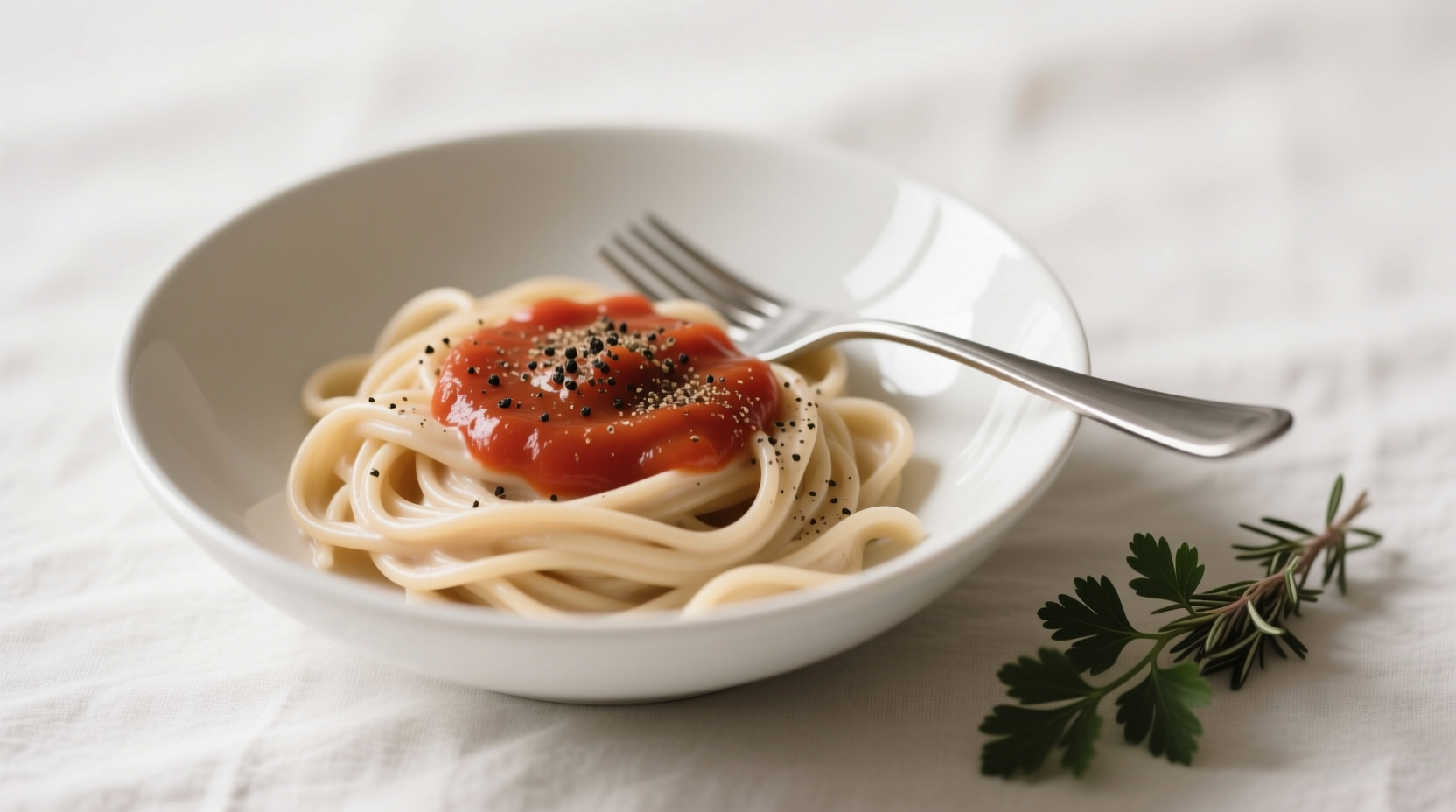
Many home cooks mistakenly believe pasta requires tomato-based sauce. The truth? Italian culinary history offers numerous vibrant alternatives that predate tomatoes' arrival in Europe. Whether you're managing acid reflux, following a low-FODMAP diet, or simply craving variety, these tomato-free pasta sauces deliver exceptional flavor without compromising your dietary needs.
Why Skip the Tomatoes?
Approximately 15% of Americans experience frequent heartburn, with acidic foods like tomatoes being common triggers according to the National Institute of Diabetes and Digestive and Kidney Diseases. Others avoid tomatoes due to nightshade sensitivities, autoimmune protocols, or FODMAP restrictions. The good news: traditional Italian cuisine offers centuries of tomato-free pasta sauce wisdom.
| Sauce Type | Best For | Preparation Time | Dietary Compatibility |
|---|---|---|---|
| Cream-based | Cold months, rich flavors | 15 minutes | Gluten-free (with GF pasta) |
| Pesto variations | Spring/summer, fresh herbs | 10 minutes | Vegan, Paleo |
| Roasted vegetable | Fall harvest, depth of flavor | 40 minutes | Low-FODMAP (specific veggies) |
| Garlic-olive oil | Quick meals, light digestion | 8 minutes | Whole30, Keto |
| Seafood-based | Special occasions, coastal cuisine | 25 minutes | Gluten-free, Paleo |
The Historical Evolution of Pasta Sauces
Before tomatoes arrived in Italy from the Americas in the 16th century, pasta was served with radically different sauces. This timeline reveals how Italian cooks adapted:
- 12th century: Sicilian documents mention "itriyya" pasta served with almond milk and spices
- 14th century: Liber de Coquina features recipes using breadcrumbs, cheese, and herbs
- 16th century: Tomatoes introduced but initially considered ornamental
- 18th century: First documented tomato pasta sauce in Naples
- Today: Renaissance of pre-tomato sauce traditions among culinary historians
Top 5 No-Tomato Pasta Sauce Recipes
Creamy Cashew Alfredo (Dairy-Free)
This rich alternative uses soaked cashews to create velvety texture without heavy cream. Soak 1 cup raw cashews for 4 hours, then blend with 3/4 cup water, 2 garlic cloves, 1/4 cup nutritional yeast, 1/2 tsp nutmeg, and salt until smooth. Toss with hot fettuccine and fresh parsley. Pro tip: Add roasted mushrooms for umami depth that mimics traditional Alfredo's richness.
Roasted Red Pepper Sauce
Char 3 red bell peppers over gas flame or under broiler until blackened. Steam in covered bowl for 10 minutes, then peel and seed. Blend with 1/4 cup toasted walnuts, 2 garlic cloves, 1/2 cup olive oil, and fresh basil. This vibrant sauce works beautifully with penne or rigatoni. According to research from the National Center for Biotechnology Information, bell peppers provide vitamin C without the acidity of tomatoes.
Classic Pesto Genovese
Combine 2 cups fresh basil, 1/3 cup pine nuts, 1/2 cup Parmesan, 2 garlic cloves, and 1/2 cup extra-virgin olive oil in food processor. Traditional pesto contains no tomatoes and delivers bright herbal notes perfect for trofie or linguine. For nightshade-sensitive diets, substitute arugula for half the basil to maintain complexity.
Aglio e Olio with Anchovy
Heat 1/2 cup olive oil with 6 smashed garlic cloves over medium-low until golden. Add 4 chopped anchovy fillets and stir until dissolved. Toss with spaghetti and red pepper flakes. This ancient Roman preparation provides savory depth through umami rather than acidity. The USDA FoodData Central confirms anchovies contribute significant glutamate, enhancing flavor perception without tomatoes.
Butternut Squash Sage Cream
Roast 2 cups cubed butternut squash at 400°F until tender. Blend with 1/2 cup vegetable broth, 2 tbsp olive oil, 8 fresh sage leaves, and salt. This autumnal sauce pairs perfectly with orecchiette. Registered dietitians at Academy of Nutrition and Dietetics note butternut squash provides beta-carotene without triggering acid reflux.
Contextual Considerations for Sauce Selection
Not all tomato-free sauces work equally well in every situation. Consider these context boundaries:
- For acid reflux sufferers: Avoid citrus-based sauces; opt for roasted vegetable or cream sauces with alkaline ingredients
- For low-FODMAP diets: Use garlic-infused oil instead of whole garlic, limit onion, and choose hard cheeses over soft varieties
- For quick weeknight meals: Keep pesto or roasted red pepper sauce in freezer for 5-minute assembly
- For special occasions: Seafood sauces shine with fresh pasta and quality ingredients
Troubleshooting Common Issues
Sauce too thin? Simmer uncovered for 5-7 minutes to reduce, or add grated cheese to thicken. Flavor lacking depth? Add a Parmesan rind while simmering or finish with anchovy paste. Too rich? Balance with lemon zest or fresh herbs. Remember that pasta water contains starch that helps sauces cling to noodles—always reserve 1 cup before draining.
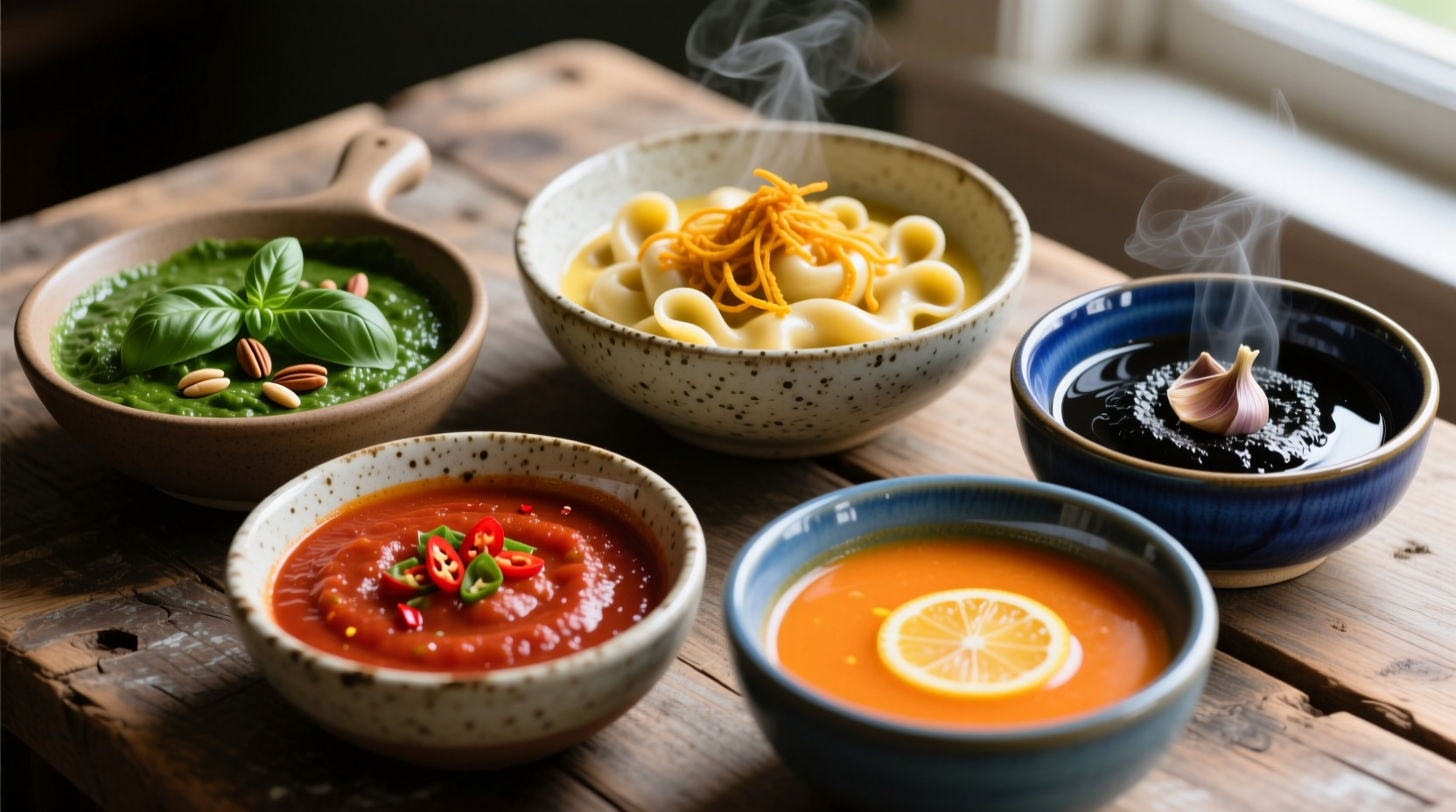
Perfect Pairings Guide
Match your sauce to pasta shape for optimal texture and flavor delivery:
- Ribbons (fettuccine, pappardelle): Cream sauces and hearty meat ragùs
- Tubes (penne, rigatoni): Chunky vegetable sauces that fill the centers
- Small shapes (orzo, ditalini): Light oil-based sauces for soups or salads
- Twists (fusilli, rotini): Thick pesto or bean-based sauces that cling to grooves
- Traditional pairings: Orecchiette with broccoli rabe, trofie with pesto




 浙公网安备
33010002000092号
浙公网安备
33010002000092号 浙B2-20120091-4