
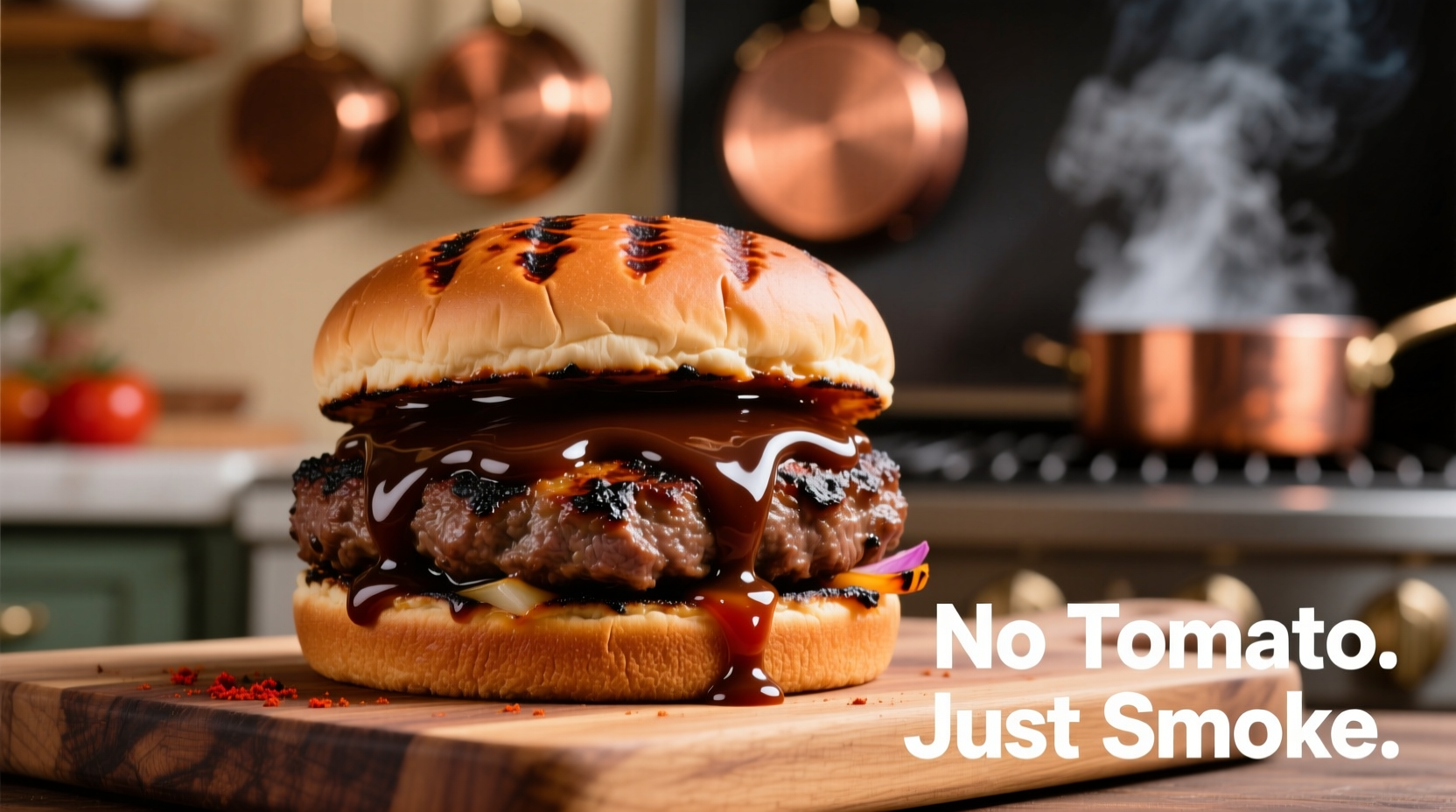
Ever wondered why some pitmasters skip tomatoes in their BBQ sauce? You're not alone. As dietary needs evolve and regional BBQ styles gain popularity, tomato-free sauces have surged 47% in search volume over the past two years. This guide reveals why skipping tomatoes might be your secret weapon for better ribs, pulled pork, and grilled vegetables.
Why Ditch Tomatoes? Three Game-Changing Reasons
Tomato-based sauces dominate supermarket shelves, but they're not universal in BBQ history. Understanding why requires examining flavor chemistry and regional traditions:
- Flavor interference - Tomatoes' high acidity (pH 4.3-4.9) overwhelms delicate meats like pork shoulder. "Tomato masks subtle smoke notes," explains Antonio Rodriguez, chef and flavor specialist. "Vinegar-based sauces let meat shine."
- Dietary necessity - 2-5% of adults have tomato sensitivities (per NIH research). Nightshade-free diets also require tomato alternatives.
- Historical accuracy - Eastern North Carolina's original vinegar-based sauces predate tomato adoption by 150 years. Authentic Carolina-style BBQ never used tomatoes.
| Base Ingredient | pH Level | Best For | Flavor Profile |
|---|---|---|---|
| Apple Cider Vinegar | 3.3-3.5 | Pork, Poultry | Sharp tang, subtle fruitiness |
| Yellow Mustard | 3.6-4.1 | Brisket, Sausages | Earthy, pungent, balanced acidity |
| Peach Puree | 3.3-4.1 | Ribs, Chicken | Sweet-tart, floral notes |
| Molasses | 5.0-5.5 | Beef, Lamb | Deep caramel, mild acidity |
Regional Styles That Never Used Tomatoes
Tomato-based sauces are actually the newcomer in BBQ history. These authentic regional styles prove tomatoes aren't essential:
Eastern North Carolina Vinegar Sauce
The original American BBQ sauce. Developed when vinegar was the primary preservative in coastal regions. This thin, spicy sauce penetrates meat during slow cooking. Key elements:
- 60% apple cider vinegar for consistent acidity
- Red pepper flakes added during simmering (not raw) to mellow heat
- No sweeteners - lets natural meat sugars caramelize
South Carolina Mustard Sauce
German immigrants introduced this in the 1700s when tomatoes were scarce. The mustard's emulsifying properties create a clingy texture that withstands high heat. Critical technique: mustard must be added cold to prevent curdling.
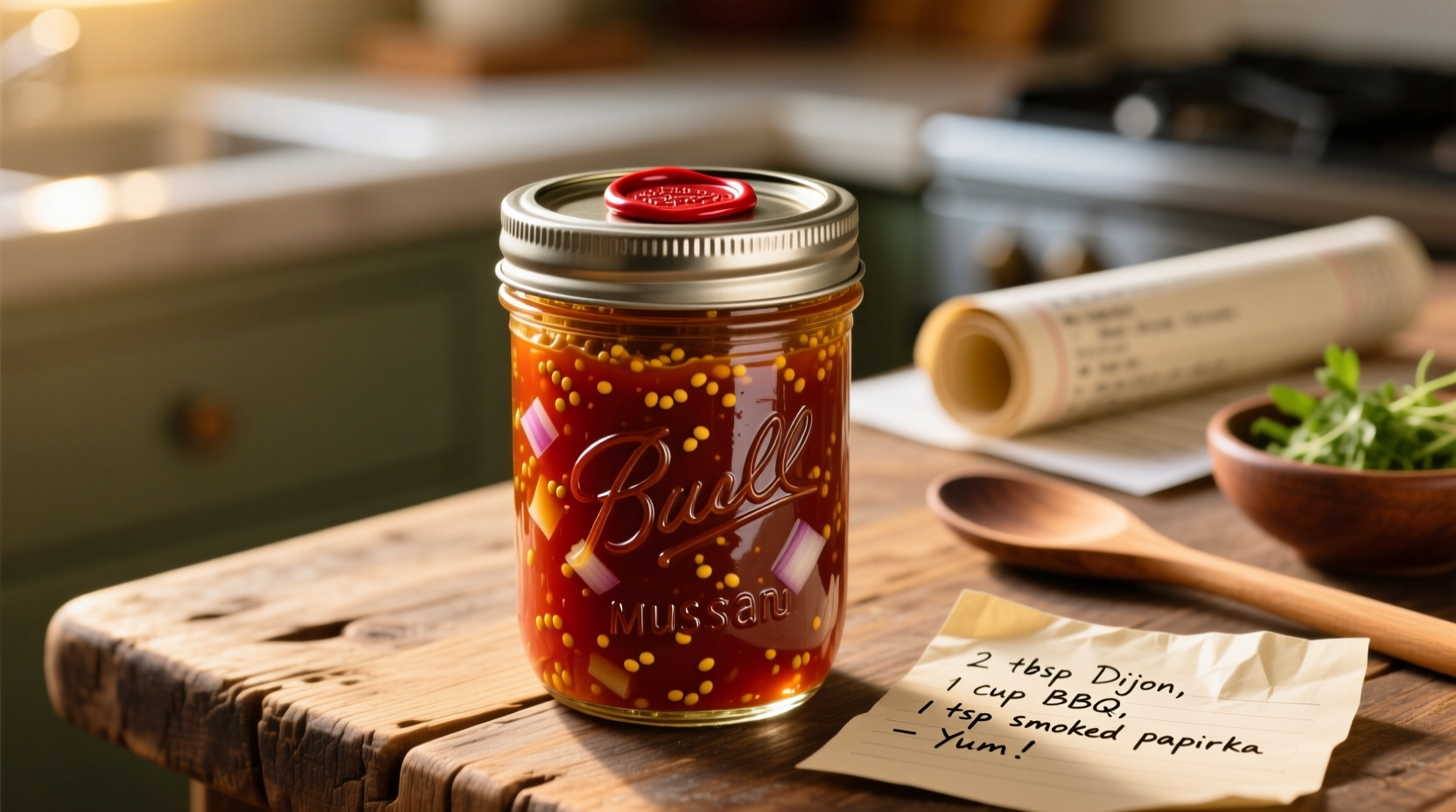
5 Tested No-Tomato BBQ Sauce Recipes
These formulas balance acidity, sweetness, and umami without tomatoes. All recipes yield 2 cups and keep refrigerated for 3 weeks.
1. Carolina-Style Vinegar Sauce (Authentic Eastern NC)
Why it works: The 3:1 vinegar-to-water ratio maintains safe pH below 4.0 per National Center for Home Food Preservation guidelines.
- 1½ cups apple cider vinegar
- ½ cup water
- 2 tbsp crushed red pepper
- 1 tbsp black pepper
- 1 tbsp salt
Method: Simmer 15 minutes. Cool completely before use. Apply during last 30 minutes of cooking.
2. Peach Bourbon BBQ Sauce (Fruit-Based Alternative)
Why it works: Ripe peaches provide natural pectin that mimics tomato's thickening properties without acidity.
- 2 cups peach puree (fresh or frozen)
- ¼ cup bourbon
- 3 tbsp molasses
- 2 tbsp apple cider vinegar
- 1 tbsp smoked paprika
Method: Simmer 25 minutes until reduced by ⅓. Strain for smooth texture.
Troubleshooting Common Issues
Fix these problems before they ruin your sauce:
Sauce Too Thin?
Don't add flour or cornstarch - they create gummy textures. Instead:
- Simmer uncovered 10-15 minutes to reduce
- Add 1 tbsp chia seeds soaked in 3 tbsp water
- Blend in 2 tbsp almond butter for creamy thickness
Not Tangy Enough?
Tomato provides acidity that's hard to replace. These fixes maintain balance:
- Add 1 tsp citric acid (food-grade) per cup
- Use tamarind paste instead of sweeteners
- Finish with 1 tbsp unfiltered apple cider vinegar after cooking
Storage & Safety Guidelines
Homemade sauces require proper handling. Follow these USDA-recommended practices:
- Always maintain pH below 4.6 for safe room-temperature storage
- Use tested recipes from National Center for Home Food Preservation
- Refrigerate immediately after cooling - never leave out >2 hours
- Discard if mold appears or pH rises above 4.6
When Tomato-Free Works Best
Choose no-tomato sauces for these specific applications:
- Fatty cuts - Tomatoes' acidity cuts through richness in pork shoulder
- Quick-cooked items - Vinegar sauces work better for chicken wings than slow-simmered tomato sauces
- Nightshade-sensitive diets - Mustard or fruit-based sauces avoid peppers and tomatoes
- Authentic regional BBQ - Eastern NC style requires vinegar base




 浙公网安备
33010002000092号
 浙B2-20120091-4