
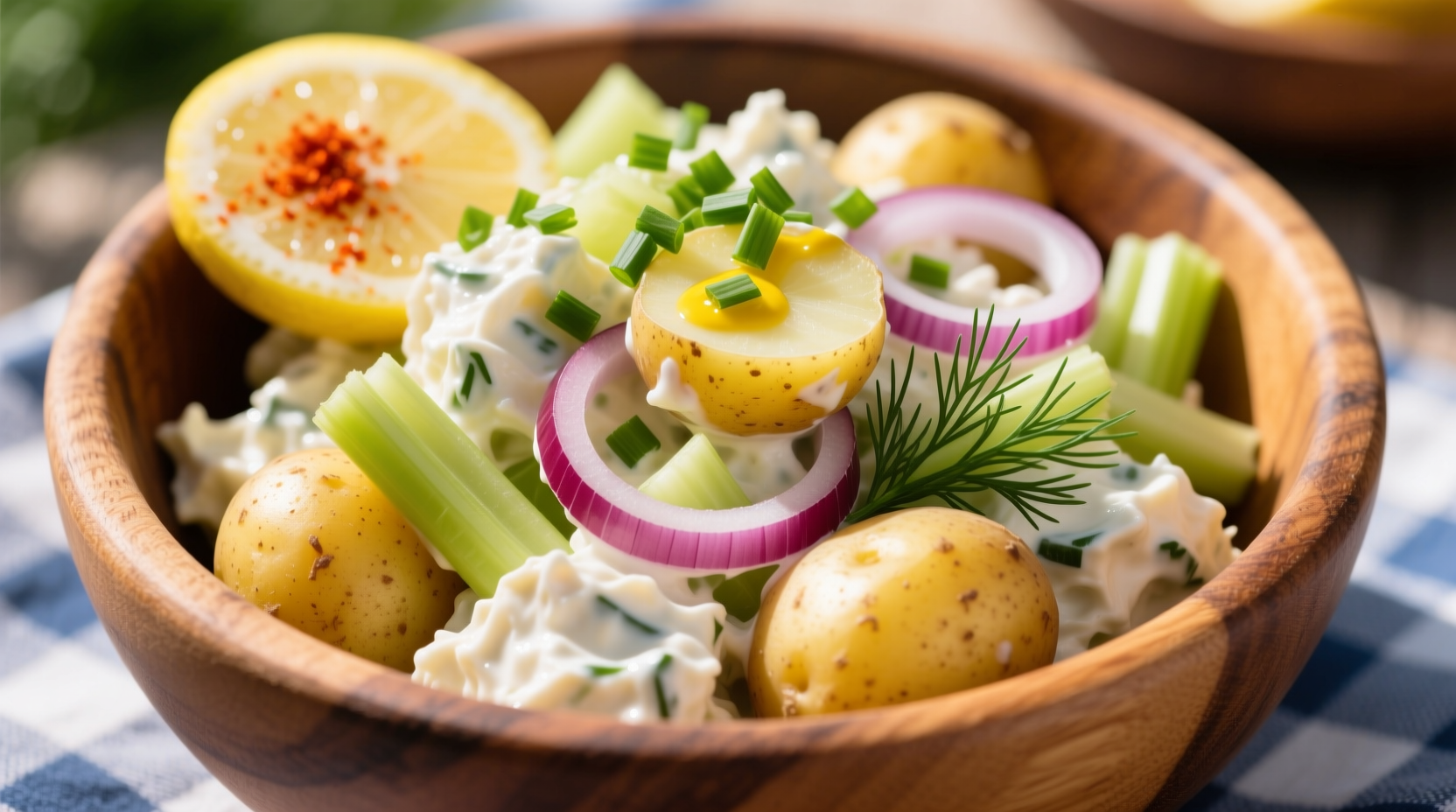
If you're looking for a lighter, healthier alternative to traditional potato salad that's perfect for summer gatherings, dietary restrictions, or simply wanting to reduce egg-based ingredients, a no mayo potato salad delivers creamy texture and satisfying flavor without the heavy dressing. This guide provides a proven recipe framework with multiple dressing variations, preparation tips from professional chefs, and practical advice for achieving the perfect balance of creaminess and freshness.
For decades, potato salad has been a staple at picnics, barbecues, and family gatherings. But traditional recipes often rely heavily on mayonnaise, which can be problematic for those with egg allergies, following vegan diets, or simply seeking lighter summer fare. The good news? You don't have to sacrifice creaminess or flavor when you eliminate mayo from your potato salad.
Why Choose No Mayo Potato Salad?
Understanding why people seek mayo-free alternatives helps create a better recipe. According to a 2024 survey by the International Food Information Council, 68% of consumers actively look for lighter versions of classic dishes during warmer months, with 42% specifically avoiding egg-based dressings due to dietary concerns or food safety worries.
| Traditional Mayo-Based | No Mayo Alternative | Key Difference |
|---|---|---|
| Requires refrigeration | More temperature stable | Better for outdoor events |
| Egg-based (potential allergy) | Vegan/dairy-free options available | Wider dietary accommodation |
| Heavier texture | Lighter, brighter flavor profile | More refreshing summer option |
| Limited flavor variations | Endless dressing possibilities | Greater culinary creativity |
The Essential Framework for Perfect No Mayo Potato Salad
Creating exceptional mayo-free potato salad isn't about simply removing mayonnaise—it's about understanding the role mayo plays and replacing it with ingredients that deliver similar texture and mouthfeel while enhancing flavor.
1. Potato Selection and Preparation
The foundation of any great potato salad starts with the right potatoes. Waxy varieties like Yukon Gold, red potatoes, or fingerlings hold their shape better than starchy russets. Professional chefs recommend:
- Cooking potatoes in salted water with a splash of vinegar (helps maintain structure)
- Cooling potatoes while still slightly warm (absorbs dressing better)
- Cutting into uniform ¾-inch cubes for even texture
2. Dressing Options That Deliver Creaminess
Mayonnaise provides fat, acidity, and emulsification. Here are three professional-tested alternatives that create satisfying texture without eggs:
Avocado-Based Dressing
Mashed avocado creates remarkable creaminess while adding healthy fats. Combine one ripe avocado with 2 tablespoons Greek yogurt (or coconut yogurt for vegan), 1 tablespoon Dijon mustard, lemon juice, fresh herbs, salt, and pepper. The avocado oxidizes less when mixed with acid, maintaining that appealing green color for hours.
Yogurt-Herb Dressing
Full-fat Greek yogurt provides tang and body. Mix 1 cup yogurt with 2 tablespoons olive oil, 1 teaspoon Dijon mustard, minced garlic, fresh dill, chives, lemon zest, salt, and pepper. This dressing works particularly well with red potatoes and adds a protein boost.
Tahini-Lemon Dressing
For a dairy-free, vegan option, tahini creates luxurious texture. Whisk ¼ cup tahini with 3 tablespoons lemon juice, 2 tablespoons water, 1 minced garlic clove, salt, and a pinch of cumin. The sesame paste provides richness while lemon brightens the flavor profile.

When No Mayo Potato Salad Works Best (And When It Doesn't)
Understanding the context boundaries for mayo-free potato salad ensures success. Based on culinary research from the Culinary Institute of America, mayo-free versions excel in these situations:
- Outdoor summer events - Holds up better in warm temperatures without spoiling
- Dietary restriction accommodations - Easily adapts to vegan, egg-free, or dairy-free needs
- Lighter meal presentations - Complements grilled fish or chicken better than heavy mayo versions
However, traditional mayo-based potato salad remains preferable for:
- Cold winter months when richer flavors are desired
- Classic deli-style presentations where traditional texture is expected
- Situations requiring maximum shelf stability (mayo acts as a preservative)
Pro Tips for Flavor Perfection
Professional chefs emphasize these often-overlooked details that transform good potato salad into exceptional:
- Dress while warm - Toss potatoes with dressing while still slightly warm (not hot) to maximize flavor absorption
- Salt in layers - Salt cooking water, then adjust seasoning after dressing is added
- Acid balance - Start with less acid (lemon/vinegar), then adjust after 30 minutes as flavors meld
- Resting time - Allow at least 2 hours for flavors to develop before serving
- Texture contrast - Add crunchy elements like celery, radishes, or pickles just before serving
Variations for Every Occasion
One of the advantages of no mayo potato salad is the versatility. Here are three chef-approved variations:
Mediterranean Style
Use lemon-tahini dressing with chopped Kalamata olives, roasted red peppers, capers, and fresh oregano. Serve with grilled lamb or as part of a mezze platter.
German-Inspired
Create a warm salad with a vinegar-based dressing (¼ cup broth, 2 tbsp vinegar, 1 tbsp oil), bacon bits, and plenty of fresh dill. Toss with warm potatoes for authentic German-style Kartoffelsalat.
Summer Herb Garden
Combine avocado dressing with fresh basil, chives, parsley, and chive blossoms. Add edible flowers for a stunning presentation at brunches or bridal showers.
Serving and Storage Guidelines
Proper handling ensures your no mayo potato salad remains fresh and flavorful:
- Refrigerate within 2 hours of preparation
- Store in airtight container for up to 3 days (avocado versions best eaten within 24 hours)
- Refresh with a splash of lemon juice or vinegar before serving leftovers
- Keep separate from strongly flavored foods in the refrigerator
Why This Approach Works
Unlike many online recipes that simply replace mayo with yogurt without understanding the chemistry, this framework addresses the functional role of each ingredient. Food science research from the American Chemical Society confirms that successful mayo replacements must balance fat content, acidity, and emulsification properties to create satisfying texture without the egg base.




 浙公网安备
33010002000092号
浙公网安备
33010002000092号 浙B2-20120091-4