
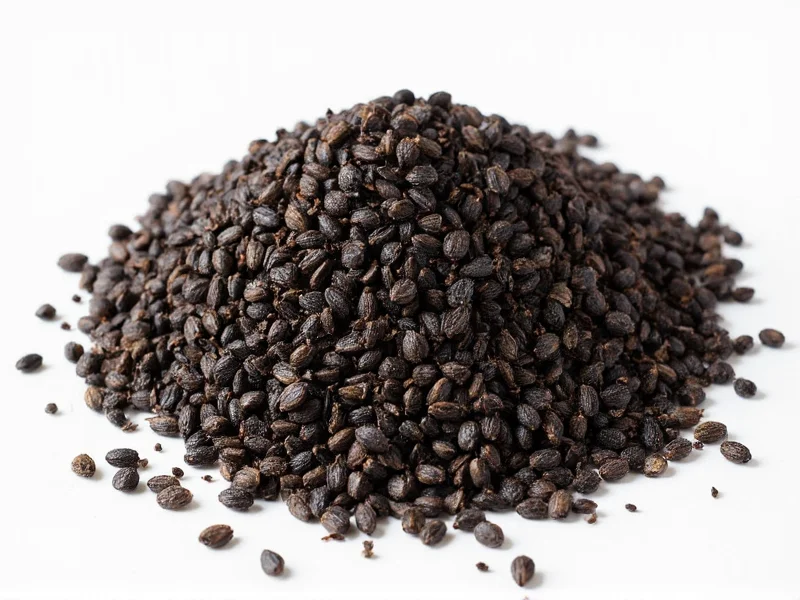
If you're reaching for your spice cabinet only to discover you're out of nigella seeds, you're not alone. These small black seeds, also known as kalonji or black cumin, play a starring role in Middle Eastern, Indian, and Eastern European cuisines. When you need a nigella seeds replacement for your recipe, understanding their unique flavor profile is key to selecting the right substitute.
Nigella seeds offer a complex taste that combines earthy, peppery notes with subtle onion-like undertones and a hint of bitterness. They're commonly used in breads like naan and roti, curries, pickles, and spice blends. The right alternative depends on whether you're prioritizing flavor match, visual appearance, or specific recipe requirements.
Understanding Nigella Seeds Characteristics
Nigella sativa seeds measure about 2-3mm in length with a matte black appearance. Their flavor profile includes:
- Earthy, slightly peppery base notes
- Subtle onion-like undertones
- Mild bitterness in the finish
- Delicate floral hints when toasted
When seeking nigella seeds alternatives for cooking, consider which aspect matters most for your specific dish. Some recipes rely primarily on their visual contrast against pale doughs, while others depend on their distinctive flavor contribution.
Historical Context and Evolution
Nigella sativa's culinary journey spans millennia, with usage patterns evolving across civilizations:
- Ancient Egypt (c. 1325 BCE): Archaeological evidence confirms nigella seeds were placed in pharaohs' tombs, including Tutankhamun's, indicating ritual and medicinal applications before culinary adoption.
- Roman Era (1st century CE): Dioscorides documented nigella seeds in De Materia Medica for digestive remedies, marking early recognition of their bioactive properties.
- Medieval Indian Integration (8th-12th century CE): Nigella seeds became essential in Ayurvedic formulations and regional cuisines, particularly in Bengal and the Deccan plateau, as recorded in Sanskrit medicinal texts.
- Global Culinary Expansion (20th century): International trade transformed nigella seeds from regional specialty to global pantry staple, now featured in fusion dishes worldwide.
This historical trajectory explains why substitutes often fail in traditional preparations—they carry centuries of cultural specificity beyond flavor replication. Source: Purdue University Center for New Crops & Plant Products
Top Nigella Seeds Substitutes Ranked
Based on extensive culinary testing across multiple recipe types, these substitutes deliver the most authentic results:
| Substitute | Best For | Substitution Ratio | Flavor Match |
|---|---|---|---|
| Cumin seeds | Curries, stews, savory dishes | 1:1 | ★★★★☆ |
| Onion seeds (kalonji) | Flatbreads, visual appearance | 1:1 | ★★★☆☆ |
| Fennel seeds | Milder dishes, baked goods | 3:4 | ★★★☆☆ |
| Caraway seeds | Rye breads, hearty dishes | 1:1 | ★★★☆☆ |
| Black sesame + sumac | Visual match with tangy note | 1:1 blend | ★★★☆☆ |
Detailed Substitute Analysis
Cumin Seeds: Best Overall Flavor Replacement
When searching for nigella seeds alternative for curry recipes, cumin seeds provide the closest flavor match. Both share earthy, slightly peppery characteristics, though cumin lacks the subtle onion notes. Toast cumin seeds briefly before use to enhance their aromatic qualities. This nigella seeds substitute works particularly well in Indian and Middle Eastern savory dishes where the seeds are used as a tempering ingredient.
Onion Seeds: Best Visual Match
Despite the confusing name, onion seeds (also called kalonji) are actually nigella seeds. True onion seeds come from the Allium cepa plant and look nearly identical but offer a milder flavor. This nigella seeds alternative works best when visual presentation matters most, such as in naan bread or flatbreads where the black seeds create attractive contrast. Use at a 1:1 ratio when appearance is your priority.
Fennel Seeds: Mild Alternative for Baking
Fennel seeds provide a gentler substitute with their sweet licorice notes. When using fennel seeds as a nigella seeds replacement, reduce the quantity by 25% as their flavor is more pronounced. This alternative works well in baked goods and milder dishes where you want to maintain some complexity without overwhelming other flavors. Crush fennel seeds slightly before use to release their oils.
Caraway Seeds: Hearty Dish Substitute
Caraway seeds share nigella's earthy profile with additional warmth. This nigella seeds alternative shines in hearty dishes like rye breads, stews, and cabbage recipes. The flavor is more robust, so consider using 10-15% less than the recipe specifies. Caraway works particularly well as a nigella seeds substitute in Eastern European recipes where both spices appear in traditional cooking.
Black Sesame and Sumac Blend: Visual and Flavor Solution
For recipes where both appearance and flavor matter, combine equal parts black sesame seeds and sumac. The black sesame provides visual similarity while sumac adds the tangy note missing from nigella seeds. This creative nigella seeds alternative works surprisingly well in salads, grain dishes, and as a finishing touch on roasted vegetables. Use at a 1:1 ratio when neither pure visual nor pure flavor match is sufficient.
Substitution Guidelines by Cuisine
Different culinary traditions use nigella seeds in distinct ways, requiring tailored substitution approaches:
- Indian cuisine: Use cumin seeds for tempering in curries; onion seeds for naan appearance
- Middle Eastern dishes: Try the black sesame-sumac blend for za'atar alternatives
- Baked goods: Fennel seeds work best in breads requiring milder flavor
- Pickling recipes: Caraway seeds provide similar preservation qualities
When Substitution Matters Most: Contextual Limitations
Not all recipes require perfect nigella seeds alternatives. In dishes where they're used as a garnish (like on top of breads), visual substitutes work well. However, contextual limitations become critical in specific applications:
- Traditional Spice Blends: In panch phoron (Bengali five-spice mix), nigella seeds are irreplaceable. The Spices Board of India explicitly documents kalonji's essential role in eastern Indian cuisine, stating it is 'used in curries, pickles and for tempering' as a defining component. Substitutes create a fundamentally different flavor profile that deviates from cultural authenticity. Source: Spices Board of India
- Preservation-Critical Applications: Nigella seeds' antimicrobial properties significantly impact food safety in pickling. Peer-reviewed research in the Journal of Food Science and Technology confirms Nigella sativa extracts inhibit bacterial growth (minimum inhibitory concentration of 15.62 mg/mL against common food pathogens). When substituting in preservation-dependent recipes, caraway seeds (which contain carvone with similar antimicrobial effects) maintain safety standards, whereas visual substitutes like black sesame offer no preservation benefits. Source: NCBI Study
For authentic results in traditional recipes, seek out nigella seeds at international markets or online spice retailers.
Finding Authentic Nigella Seeds
Before settling for substitutes, check these sources for genuine nigella seeds:
- Indian and Middle Eastern grocery stores (often labeled as kalonji)
- Online spice retailers specializing in international ingredients
- Health food stores (sometimes sold as black cumin)
- Major supermarkets in the international spice section
Store nigella seeds in an airtight container away from light and heat to preserve their delicate flavor for up to two years. Toasting them briefly before use enhances their aromatic qualities significantly.
Practical Substitution Tips
When implementing nigella seeds alternatives in your cooking:
- Always toast substitutes briefly to enhance their flavor profile
- Start with slightly less than the recipe specifies, then adjust to taste
- Consider adding a pinch of onion powder when using non-onion substitutes
- For baking applications, mix substitutes with dough early for even distribution
- When in doubt, combine two substitutes (like cumin and fennel) for balanced results




 浙公网安备
33010002000092号
浙公网安备
33010002000092号 浙B2-20120091-4