
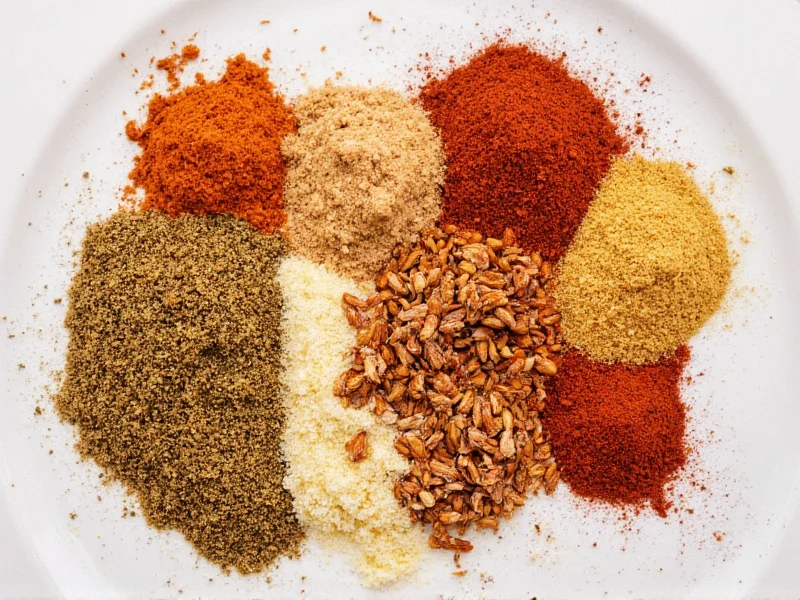
Chicken's mild flavor makes it the perfect canvas for spice experimentation, but not all seasonings complement its delicate taste equally well. Understanding which spices enhance rather than overwhelm chicken requires knowledge of flavor chemistry and culinary traditions from around the world. This guide explores the science behind successful spice pairings and provides practical recommendations you can implement immediately in your kitchen.
The Science Behind Spice Pairing with Chicken
Chicken contains glutamates that respond well to certain aromatic compounds found in herbs and spices. The protein structure of chicken breast versus thigh also affects how spices penetrate and adhere. Dark meat's higher fat content carries fat-soluble flavor compounds more effectively, while lean breast meat benefits from spices that contain water-soluble components. Understanding these principles helps explain why some spices work better with specific chicken cuts and cooking methods.
Essential Spice Categories for Chicken Dishes
Classic Mediterranean Herbs
These timeless herbs form the foundation of European chicken preparations. Thyme's earthy notes complement roasted chicken beautifully, while rosemary's pine-like aroma stands up well to high-heat cooking. Oregano brings a slightly bitter complexity that balances chicken's mildness, and marjoram offers a sweeter, more delicate alternative to oregano. For best results with dried Mediterranean herbs, rub them into the chicken skin 30 minutes before cooking to allow flavor penetration.
Warm Base Spices
Paprika varieties create the backbone of many chicken spice blends. Sweet paprika provides color and mild pepper flavor, while smoked paprika adds depth that mimics grilled flavors even when baking. Onion powder and garlic powder form the aromatic base for countless chicken recipes, creating the Maillard reaction compounds that produce savory complexity during cooking. These foundational spices work particularly well in dry rubs for oven-roasted chicken thighs.
Global Flavor Profiles
Different culinary traditions have perfected spice combinations specifically for chicken:
| Cuisine Style | Key Spices | Best Chicken Application |
|---|---|---|
| Middle Eastern | Sumac, za'atar, cumin, coriander | Grilled chicken, shawarma, roasted quarters |
| Asian | Ginger, turmeric, five-spice powder, Szechuan pepper | Stir-fries, steamed preparations, curry bases |
| Mexican/Latin | Chipotle powder, achiote, cumin, oregano | Tacos, enchiladas, grilled chicken |
| Indian | Garam masala, turmeric, cardamom, fenugreek | Tandoori, butter chicken, curry preparations |
Practical Application Techniques
Dry Rubs Versus Wet Marinades
Dry rubs work best when applied 30-60 minutes before cooking, allowing time for the spices to adhere and begin flavor infusion without drawing out moisture. For optimal results with dry spice blends for chicken breast, include a small amount of salt (about 1% of the spice mixture) to help the spices adhere. Wet marinades containing acidic components like lemon juice or vinegar should not exceed 2 hours for chicken breast to prevent texture degradation, though thighs can handle longer marinating times.
Timing Matters: When to Add Spices
Add delicate herbs like basil and cilantro in the final minutes of cooking to preserve their volatile aromatic compounds. Robust spices like cumin, coriander, and smoked paprika benefit from being added early to allow their flavors to mellow and integrate. For pan-seared chicken, add whole spices like black peppercorns and mustard seeds to the oil first to toast them before adding the chicken—this technique for enhancing chicken with spices releases essential oils that create a more complex flavor base.
Proven Spice Combinations
Professional chefs rely on these tested combinations when preparing chicken dishes:
- Lemon-Herb Classic: Equal parts dried thyme, rosemary, and oregano with lemon zest and black pepper—ideal for roasted chicken
- Smoky Southwest Blend: 2 parts smoked paprika, 1 part cumin, 1 part garlic powder, ½ part chipotle powder—perfect for grilled chicken tacos
- Middle Eastern Za'atar Mix: 3 parts za'atar, 1 part sumac, 1 part sesame seeds—excellent for chicken shawarma
- Golden Curry Blend: 2 parts turmeric, 1 part coriander, 1 part ginger, ½ part cinnamon—creates authentic-tasting chicken curry
Common Spice Application Mistakes
Many home cooks make these errors when seasoning chicken:
- Applying spices too thickly, creating a bitter coating rather than flavor infusion
- Using old, stale spices that have lost their volatile oils (spices typically remain potent for 6-12 months)
- Not balancing flavors—chicken benefits from the interplay of salty, sweet, sour, and bitter elements
- Over-marinating in acidic mixtures, which can make chicken texture mealy
- Adding delicate herbs too early in the cooking process
Remember that the best spices for baked chicken differ slightly from those ideal for grilled or fried preparations. Baked chicken benefits from more robust spice combinations that can withstand longer cooking times, while grilled chicken works well with spice blends containing sugar components that caramelize beautifully over direct heat.
Conclusion
Selecting the right spices for chicken transforms this versatile protein from ordinary to extraordinary. By understanding the flavor chemistry behind successful pairings and applying spices at the appropriate stages of preparation, you can create restaurant-quality chicken dishes at home. The most successful spice combinations for chicken balance complementary flavors while enhancing rather than masking the meat's natural qualities. Whether you're preparing a simple weeknight dinner or an elaborate feast, these spice principles provide the foundation for consistently delicious results.
Frequently Asked Questions
What is the best spice blend for roasted chicken?
The ideal spice blend for roasted chicken combines 2 tablespoons paprika (sweet or smoked), 1 tablespoon garlic powder, 1 tablespoon dried thyme, 2 teaspoons onion powder, 2 teaspoons dried rosemary, 1 teaspoon black pepper, and 1 teaspoon salt. This versatile dry rub for chicken creates a flavorful crust while allowing the natural chicken flavor to shine through.
How much spice should I use per pound of chicken?
For optimal flavor without overpowering the chicken, use approximately 1½ to 2 teaspoons of spice blend per pound of chicken. When creating homemade spice mixtures for chicken, maintain a ratio of 3 parts base spices (like paprika or garlic powder) to 1 part accent spices (like cumin or coriander) for balanced flavor development.
Which spices work best with chicken breast versus thighs?
Lean chicken breast benefits from spice blends containing moisture-retaining elements like garlic powder, onion powder, and mild herbs. Dark meat chicken thighs can handle bolder spice combinations including smoked paprika, cumin, and chili powder. For chicken breast recipes with spices, consider including a small amount of acid (like lemon zest) to brighten flavors without drying out the meat.
Can I use fresh herbs instead of dried spices for chicken?
Yes, fresh herbs work beautifully with chicken but require different handling than dried spices. Use three times the amount of fresh herbs compared to dried (since dried herbs are more concentrated). Add delicate fresh herbs like basil and cilantro in the last 5-10 minutes of cooking, while hardy herbs like rosemary and thyme can be added earlier. Fresh herb and spice combinations for chicken create more vibrant, complex flavor profiles than either alone.
How can I make my spice rub stick to chicken better?
To improve spice adhesion, first pat the chicken completely dry with paper towels. Then apply a thin layer of neutral oil or mustard before adding the spice rub. The oil creates a sticky surface that helps the spices adhere during cooking. For best results with spice rubs for chicken skin, gently massage the spices into the surface rather than just sprinkling them on top.




 浙公网安备
33010002000092号
浙公网安备
33010002000092号 浙B2-20120091-4