
Every March 14, snack enthusiasts across America celebrate National Potato Chip Day by indulging in their favorite crispy creations. This food holiday commemorates one of the world's most beloved snacks, offering the perfect excuse to explore potato chip history, flavors, and creative ways to enjoy them beyond the bag.
The Surprising Origins of Potato Chips
Contrary to popular belief, potato chips weren't invented through careful culinary planning but rather through a chef's frustration. In 1853, at Moon's Lake House in Saratoga Springs, New York, Native American chef George Crum created the first potato chips after a customer repeatedly sent back his French fries, complaining they were too thick. Crum sliced potatoes paper-thin, fried them until crisp, and added extra salt—only to discover the customer loved them. These "Saratoga Chips" quickly gained popularity.
| Historical Milestone | Year | Significance |
|---|---|---|
| First "Saratoga Chips" served | 1853 | George Crum's creation at Moon's Lake House |
| First commercial production | 1895 | Herman Lay begins selling potato chips from his horse-drawn wagon |
| Introduction of sealed packaging | 1926 | Prevented chips from becoming stale during transport |
| First flavored chips (BBQ) | 1954 | Created by Barrett's Foods in Canada |
| Official National Potato Chip Day | 2006 | Recognized by the Snack Food Association |
Why March 14 Matters for Chip Lovers
The date wasn't chosen randomly—March 14 aligns with the beginning of spring when farmers traditionally prepare fields for potato planting. This connection to the agricultural cycle honors the humble potato's journey from farm to snack. According to the Snack Food Association, Americans consume approximately 1.2 billion pounds of potato chips annually, with the average person eating about 1.7 pounds per month.
How to Celebrate National Potato Chip Day
Whether you're a casual snacker or a devoted chip connoisseur, there are countless ways to honor this crispy holiday:
- Host a tasting party: Gather friends to sample different brands and flavors, rating them on crunch factor, seasoning, and overall satisfaction
- Create chip-inspired recipes: Make loaded nachos, potato chip-crusted chicken, or even potato chip cookies for a sweet-savory twist
- Visit a factory: Several major chip manufacturers offer tours where you can see the production process firsthand
- Support local producers: Seek out regional chip makers who use unique potato varieties and traditional methods
- Try international varieties: Sample Japanese wasabi chips, British salt & vinegar, or Mexican chili-lime flavors
Popular Potato Chip Flavors Compared
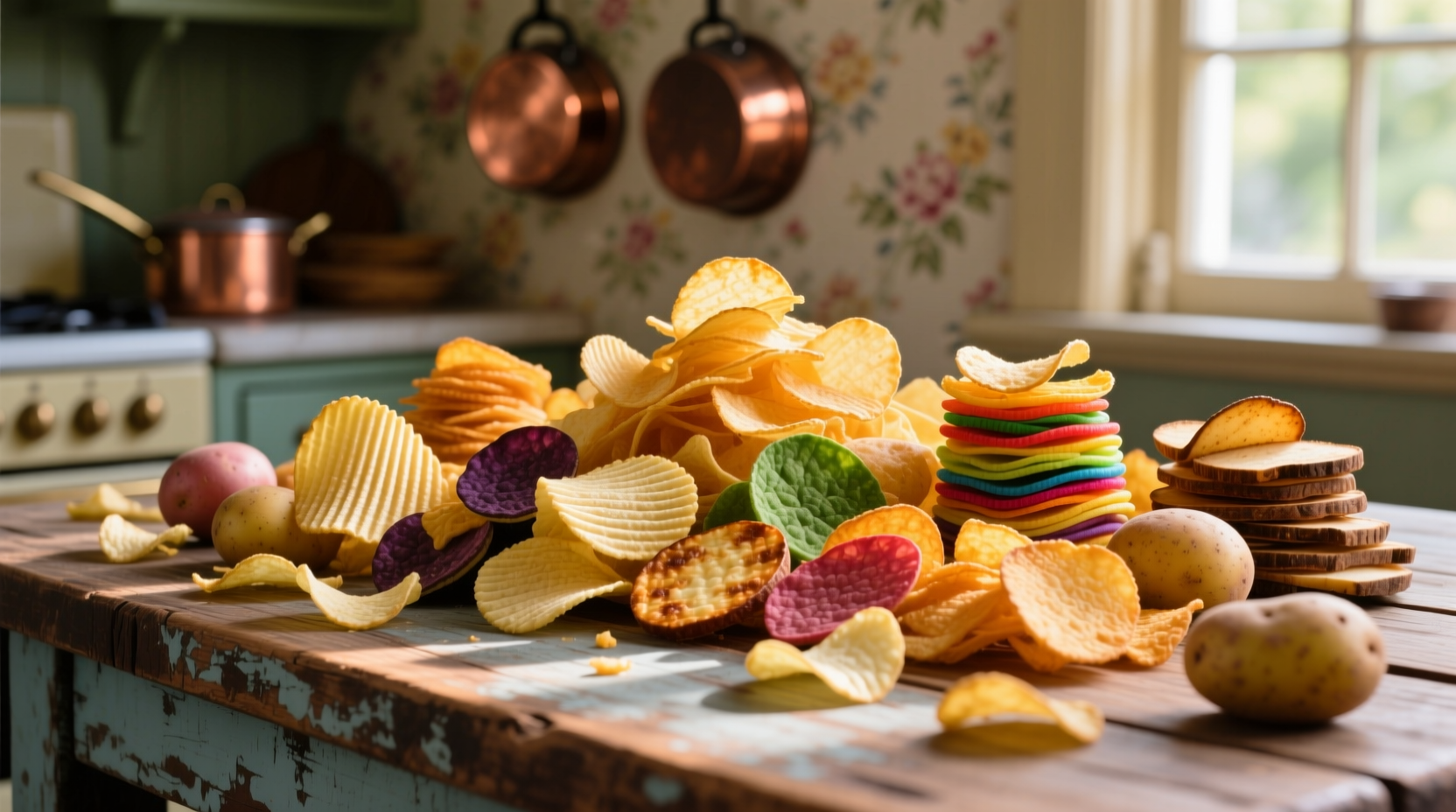
While classic salted remains the most popular choice, flavor innovation has exploded in recent decades. According to a USDA Economic Research Service report, the top five potato chip flavors by sales volume in 2023 were:
| Flavor | Market Share | Unique Characteristics | Best Pairing |
|---|---|---|---|
| Classic Salted | 32% | Clean potato flavor, perfect crunch | Dip with guacamole or eat plain |
| Barbecue | 24% | Smoky-sweet profile with paprika notes | Perfect with pulled pork sandwiches |
| Salt & Vinegar | 18% | Tangy, sharp flavor with balanced acidity | Complements fish dishes beautifully |
| Sour Cream & Onion | 15% | Creamy, savory with subtle onion sweetness | Ideal for topping baked potatoes |
| Cheddar | 11% | Sharp cheese flavor with tangy finish | Great with tomato soup |
Surprising Potato Chip Facts You Didn't Know
Behind every crunch lies fascinating science and history:
- Potato chips were originally sold in tins to preserve freshness before modern packaging
- The world's most expensive potato chips cost $8.3 million, created with 24-karat gold and rare ingredients
- It takes approximately 5 pounds of potatoes to produce 1 pound of potato chips due to water content loss
- The curved shape of Pringles isn't just for marketing—it prevents breakage during transport
- During World War II, potato chip production decreased significantly due to potato rationing
Creating Memorable Celebrations
For those looking to elevate their National Potato Chip Day experience, consider these creative approaches:
DIY Chip Making: Transform your kitchen into a mini chip factory. Thinly slice potatoes using a mandoline, soak in cold water for 30 minutes to remove excess starch, then fry in 350°F oil until golden. Drain on paper towels and season immediately while still warm.
Educational Angle: Host a presentation about potato varieties used in chip production. Russet Burbank potatoes dominate the industry due to their high starch content and low moisture, but gourmet producers experiment with Yukon Gold, purple potatoes, and heirloom varieties.
Sustainability Focus: Many chip companies have implemented eco-friendly practices. Frito-Lay's PepsiCo Sustainable Farming Program has helped reduce water usage by 23% and greenhouse gas emissions by 52% in potato farming since 2006.
Regional Variations Worth Trying
While American chip flavors dominate locally, international varieties offer unique taste experiences:
- Canada: All-dressed flavor combines ketchup, barbecue, salt & vinegar, and sour cream & onion
- Japan: Seaweed and wasabi flavors reflect traditional Japanese cuisine
- United Kingdom: Stronger vinegar concentration in salt & vinegar chips
- Mexico: Chili-lime flavors often include actual lime zest and multiple chili varieties
- Australia: Chicken-flavored chips remain surprisingly popular
Health Considerations and Moderation
While potato chips make a delicious treat, understanding their nutritional profile helps with mindful consumption. A standard 1-ounce serving (about 15 chips) contains approximately 150-160 calories, 10 grams of fat, and 150-200mg of sodium. Baked varieties typically reduce fat content by 50% but may increase sodium to compensate for flavor loss.
The Dietary Guidelines for Americans recommend enjoying chips as an occasional treat rather than a daily staple. For healthier alternatives, try thinly sliced sweet potatoes or zucchini baked with olive oil and sea salt.




 浙公网安备
33010002000092号
浙公网安备
33010002000092号 浙B2-20120091-4