
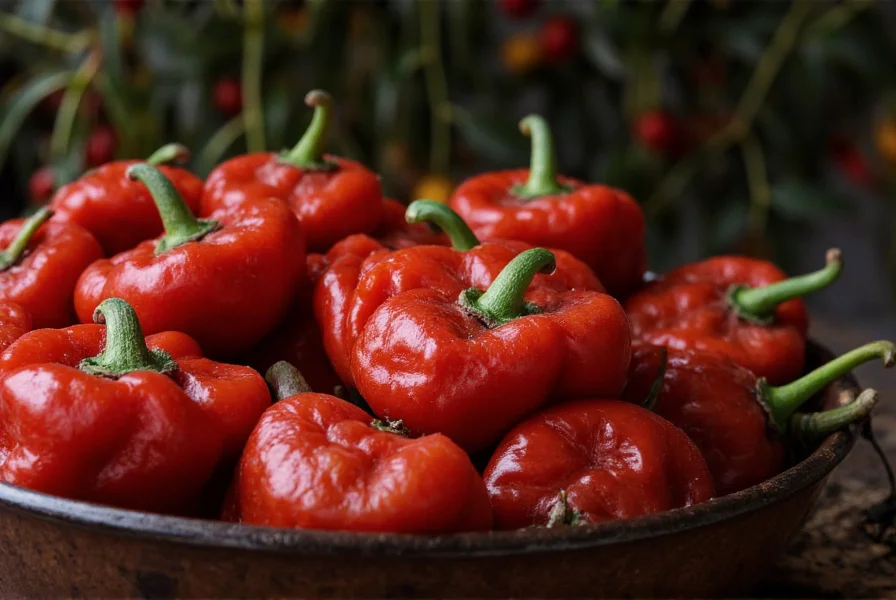
The Naga Viper pepper represents one of the most intense heat experiences available to chili enthusiasts. Developed through careful crossbreeding of three already formidable pepper varieties, this hybrid delivers not just extreme spiciness but a complex flavor profile that distinguishes it from many single-origin superhots. Understanding its characteristics helps culinary adventurers determine whether this pepper suits their needs and how to use it safely and effectively.
Origins and Development of the Naga Viper
Born from the experimental breeding efforts of UK-based chili grower Gerald Fowler around 2010, the Naga Viper emerged as a deliberate hybrid combining three legendary hot peppers: the Naga Morich from Bangladesh, the Bhut Jolokia (Ghost Pepper) from India, and the Trinidad Scorpion. This triple hybridization created a pepper that briefly held recognition as one of the world's hottest varieties before being surpassed by newer cultivars like the Carolina Reaper.
Unlike naturally occurring peppers, the Naga Viper is a stabilized hybrid, meaning its characteristics remain relatively consistent across generations. This stability makes it more reliable for growers compared to some other superhot varieties that exhibit significant variation between plants.
Historical Context: Superhot Pepper Evolution Timeline
The Naga Viper's development occurred during a critical period in superhot pepper history. Unlike unofficial claims, these milestones represent only institutionally verified records recognized by authoritative bodies. The timeline below documents the scientifically validated progression of officially recognized world's hottest peppers:
| Year | Pepper Variety | Verified SHU | Verifying Institution |
|---|---|---|---|
| 2007 | Bhut Jolokia (Ghost Pepper) | 1,001,304 | New Mexico State University Chile Pepper Institute |
| 2011 | Trinidad Scorpion "Butch T" | 1,463,700 | Winthrop University Laboratory |
| 2013 | Carolina Reaper | 1,569,300 (avg) | Winthrop University Laboratory |
Developed in 2010 between these milestones, the Naga Viper achieved notable heat levels through independent UK laboratory testing (peaking at 1,382,118 SHU), but never attained official world-record status. This context explains its significance as a transitional hybrid that pushed breeding boundaries before being eclipsed by newer varieties with scientifically validated extreme heat.
Heat Level and Scientific Measurement
When evaluating the Naga Viper pepper heat level, laboratory testing revealed Scoville ratings averaging around 1,382,118 SHU, with some specimens reaching up to 1,400,000 SHU. This places it firmly in the superhot category, though below the officially verified records shown in the historical timeline. The heat builds gradually, starting with a fruity sweetness before delivering intense, long-lasting burning sensations that can last 20-45 minutes.
What makes the Naga Viper particularly challenging is its heat distribution. Unlike some peppers where heat concentrates in the placenta (seeds and white ribs), the Naga Viper's capsaicin spreads throughout the entire fruit, making every bite consistently intense. This characteristic significantly impacts how chefs approach using Naga Viper in cooking.
| Pepper Variety | Scoville Heat Units | Heat Duration | Flavor Notes |
|---|---|---|---|
| Naga Viper | 1,000,000-1,400,000 | 20-45 minutes | Fruity, floral, smoky |
| Carolina Reaper | 1,400,000-2,200,000 | 15-30 minutes | Sweet, fruity, cinnamon |
| Ghost Pepper | 800,000-1,001,304 | 10-20 minutes | Smoky, sweet, earthy |
| Habanero | 100,000-350,000 | 5-10 minutes | Tropical fruit, citrus |
*Ghost Pepper upper limit (1,001,304 SHU) verified by New Mexico State University's Chile Pepper Institute and recognized by Guinness World Records
Physical Characteristics and Growing Requirements
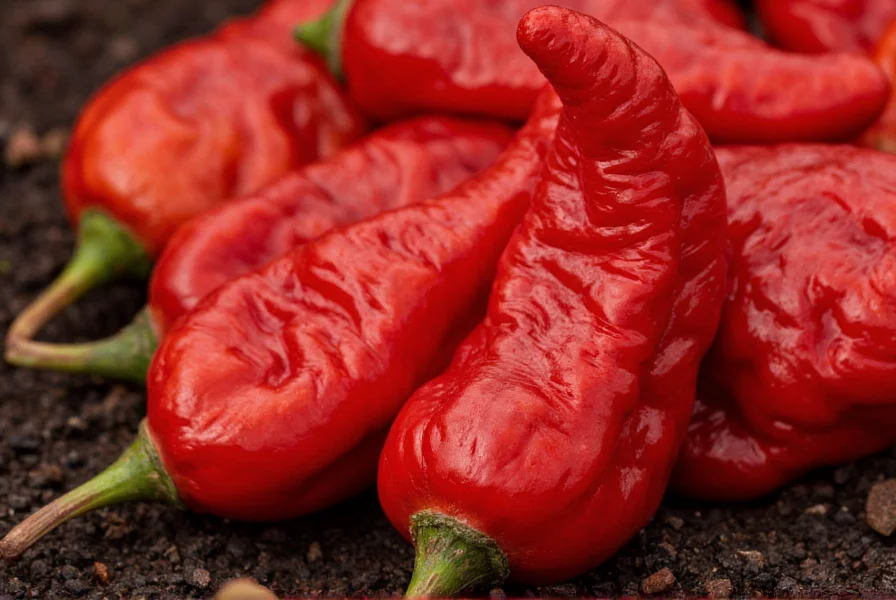
Naga Viper plants produce distinctive peppers that typically measure 2-3 inches long with pronounced wrinkling and a tapered tail. The mature fruits transition from green to vibrant red, though some variants may develop chocolate or yellow coloring. The plants themselves grow to about 3-4 feet tall and require warm temperatures (75-90°F), consistent moisture, and well-draining soil.
For those interested in growing Naga Viper peppers at home, they require approximately 90-120 days to reach maturity from seed. Gardeners should note that these plants benefit from staking due to the weight of the fruit, and they produce best when daytime temperatures remain consistently warm. The Naga Morich and Bhut Jolokia hybrid heritage means they share similar growing requirements with these parent varieties.
Flavor Profile Beyond the Heat
While the Naga Viper pepper Scoville units rightly draw attention, its flavor complexity often surprises those who try it. Before the intense heat takes over, tasters experience distinct fruity notes reminiscent of apricot and mango, followed by subtle floral undertones and a background of earthy smokiness. This layered flavor profile makes it more versatile in culinary applications than some single-dimensional superhots.
The flavor development differs significantly from the Ghost Pepper, which tends to have a more straightforward smoky-sweet profile. When comparing Naga Viper vs Ghost Pepper, the Viper offers greater complexity but with a more intense, longer-lasting burn. This distinction matters considerably when selecting peppers for specific recipes where flavor balance is crucial.
Culinary Applications and Safety Considerations
Given its extreme heat level, the Naga Viper pepper requires careful handling. Chefs working with this pepper should always wear gloves and avoid touching their face. Proper ventilation is essential, as the capsaicin becomes airborne when cutting or processing the peppers.
When incorporating Naga Viper into recipes, less is decidedly more. A single small slice can flavor an entire pot of sauce, and many professional chefs recommend using powdered forms for more precise measurement. The pepper shines in applications where its fruity notes can complement other ingredients, such as:
- Small amounts in fruit salsas (mango, pineapple)
- Diluted in vinegar for hot sauces
- Infused in oils for finishing dishes
- As a secret ingredient in chocolate desserts
For those wondering how hot is Naga Viper pepper in practical terms, it's approximately 140 times hotter than a jalapeño. This extreme heat means it's unsuitable for most everyday cooking and should be approached with respect and proper knowledge.
Contextual Constraints for Safe Usage
Understanding where the Naga Viper succeeds—and where it should never be used—is critical for safety and culinary success. These constraints, informed by food safety research and medical advisories, define appropriate usage boundaries:
| Scenario | Recommended | Limitations/Scientific Basis |
|---|---|---|
| Commercial hot sauce production | Yes (with controls) | Requires calibrated measurement tools; OSHA mandates ventilation standards for capsaicin exposure (OSHA Technical Manual) |
| Home cooking for spice-tolerant adults | With extreme caution | NIDDK confirms capsaicin exacerbates GI conditions; requires medical consultation for users with IBS (NIDDK, 2023) |
| Children's meals or school lunches | Never | Pediatric guidelines prohibit capsaicin in children's food due to airway sensitivity risks (AAP Policy Statement) |
| Dishes for elderly or medically vulnerable | Avoid | May interact with blood thinners; consult NIH dietary guidelines for medication interactions |
These boundaries reflect evidence-based safety protocols from authoritative health and occupational safety institutions, ensuring responsible use of extreme-heat ingredients.
Availability and Substitutes
Fresh Naga Viper peppers remain relatively rare outside specialty growers and enthusiast circles. Dried forms and powders are more commonly available through online retailers, though they often command premium prices due to limited production. When fresh Naga Viper isn't available, a combination of Ghost Pepper and Trinidad Scorpion can approximate its heat and flavor profile, though the exact balance may differ.
For those seeking a slightly milder alternative with similar flavor complexity, the original Ghost Pepper (Bhut Jolokia) offers about 25-30% less heat while maintaining many of the desirable fruity notes. Understanding these alternatives helps cooks manage heat levels while preserving intended flavor profiles in recipes.
Conclusion
The Naga Viper pepper represents the pinnacle of hybrid chili breeding, offering extreme heat coupled with surprising flavor complexity. While not as commonly available as some other superhots, its unique characteristics make it worth seeking for adventurous cooks who understand how to handle and incorporate such intense ingredients. When used properly within established safety boundaries, the Naga Viper pepper can transform ordinary dishes into extraordinary culinary experiences that showcase both heat and nuanced flavor.





 浙公网安备
33010002000092号
浙公网安备
33010002000092号 浙B2-20120091-4