
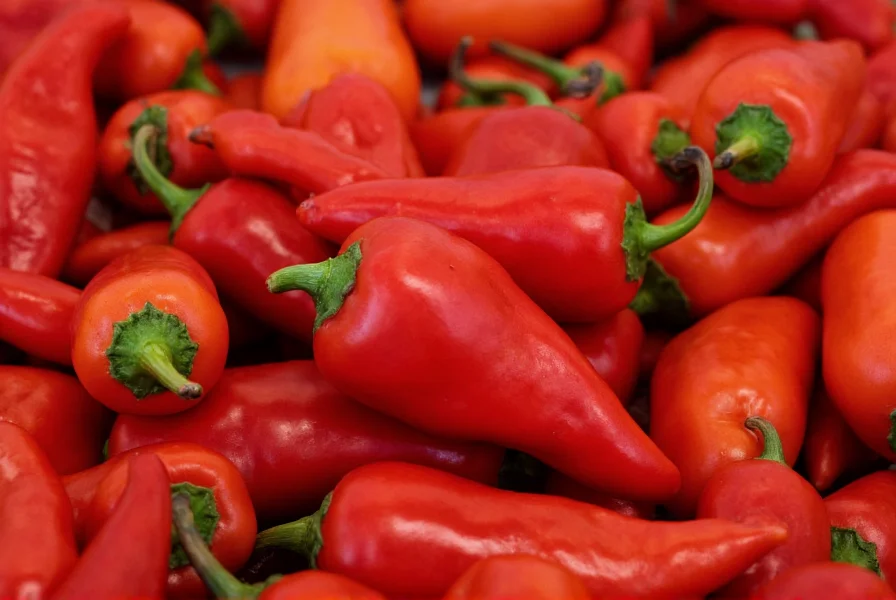
The Naga chili pepper represents one of the most intense culinary experiences available to spice enthusiasts. This legendary chili, scientifically classified as Capsicum chinense, has captivated food lovers and researchers alike with its extraordinary heat and complex flavor profile. Understanding this remarkable pepper requires examining its origins, characteristics, and proper handling techniques to appreciate it safely.
Origins and Historical Background
Native to the northeastern Indian states of Assam, Nagaland, and Manipur, the Naga chili has been cultivated for centuries by local communities. The name "Naga" refers to the Naga people of this region, while "Bhut Jolokia" translates to "ghost chili" in Assamese, suggesting how its intense heat seems to sneak up on you. Traditional agricultural practices in these regions have preserved this pepper's genetic purity for generations.
For decades, the Naga chili remained relatively unknown outside its native region until scientific testing in 2007 confirmed its extraordinary heat level. This validation propelled it to international fame, earning it the Guinness World Record for world's hottest chili pepper in 2007, a title it held until 2011 when the Trinidad Moruga Scorpion surpassed it.
Timeline of Verified Heat Records
Independent laboratory verification through high-performance liquid chromatography (HPLC) has established an evolving benchmark for super-hot peppers. The following chronology reflects officially recognized records:
| Year Certified | Chili Variety | Verified SHU Range | Verification Source |
|---|---|---|---|
| 2007 | Bhut Jolokia (Naga) | 855,000–1,041,427 | Guinness World Records |
| 2011 | Trinidad Moruga Scorpion | 1,200,000–2,009,231 | Guinness World Records |
| 2013 | Carolina Reaper | 1,400,000–2,200,000 | Guinness World Records |
| 2023 | Pepper X | 2,693,000 | Guinness World Records |
Note: All measurements represent HPLC analysis from accredited laboratories as required by Guinness World Records standards. Field variations occur due to growing conditions, but only laboratory-verified values qualify for official recognition.
Scientific Classification and Varieties
Botanically classified as Capsicum chinense, the Naga chili belongs to the same species as other super-hot peppers like the Scotch bonnet and habanero. Despite common misconceptions, it's not related to Capsicum frutescens (the species of tabasco peppers).
Several distinct varieties exist within the Naga family:
| Variety | Origin | Distinct Characteristics |
|---|---|---|
| Bhut Jolokia (Original) | Assam, India | Wrinkled skin, tapered shape, orange-red when ripe |
| Naga Morich | Bangladesh | Smoother skin, more conical shape, slightly milder heat |
| Dragon's Breath | Wales (hybrid) | Reported to exceed 2.4 million SHU, developed for medical research |
Heat Measurement and Comparison
The Naga chili's heat is measured between 800,000 to 1,041,427 Scoville Heat Units (SHU), though individual peppers can vary significantly based on growing conditions. To put this in perspective:
- Jalapeño: 2,500-8,000 SHU (Naga is 100-400 times hotter)
- Habanero: 100,000-350,000 SHU (Naga is 2-10 times hotter)
- Tabasco sauce: 2,500-5,000 SHU (Naga is approximately 400 times hotter)
- Police-grade pepper spray: 500,000-2,000,000 SHU (Naga approaches this range)
What makes the Naga's heat particularly notable is its delayed onset and prolonged duration. Unlike milder peppers where heat registers immediately, Naga's capsaicinoids take 30-45 seconds to fully activate, then can linger for 20-45 minutes. This delayed reaction often catches inexperienced eaters off guard.
Physical Characteristics and Flavor Profile
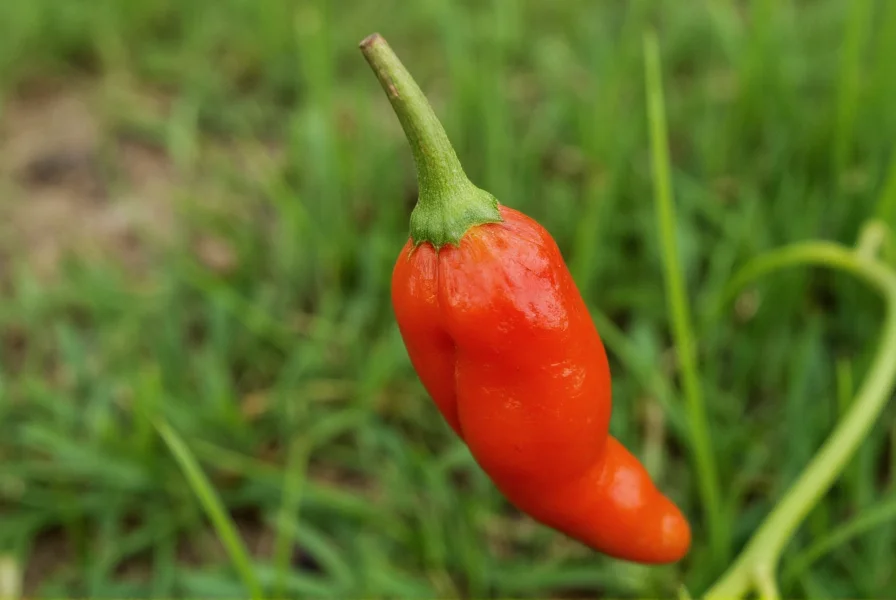
Naga chilies typically measure 5-8 cm (2-3 inches) in length with a tapered, somewhat irregular shape. They mature from green to vibrant red, though orange and yellow varieties also exist. The skin appears rough and slightly wrinkled, distinguishing it from smoother super-hots like the7-pot varieties.
Beyond its legendary heat, the Naga offers a complex flavor profile often described as:
- Initial sweet, fruity aroma with notes of citrus and apple
- Floral undertones reminiscent of habaneros
- Earthy, smoky finish that develops after the initial heat subsides
- Slight bitterness in the aftertaste
This complexity makes it valuable in culinary applications where simply extreme heat isn't the only goal. Chefs who work with Naga chilies appreciate how its flavor nuances can enhance dishes when used judiciously.
Culinary Applications and Safety Considerations
When incorporating Naga chilies into cooking, extreme caution is essential. Professional chefs recommend:
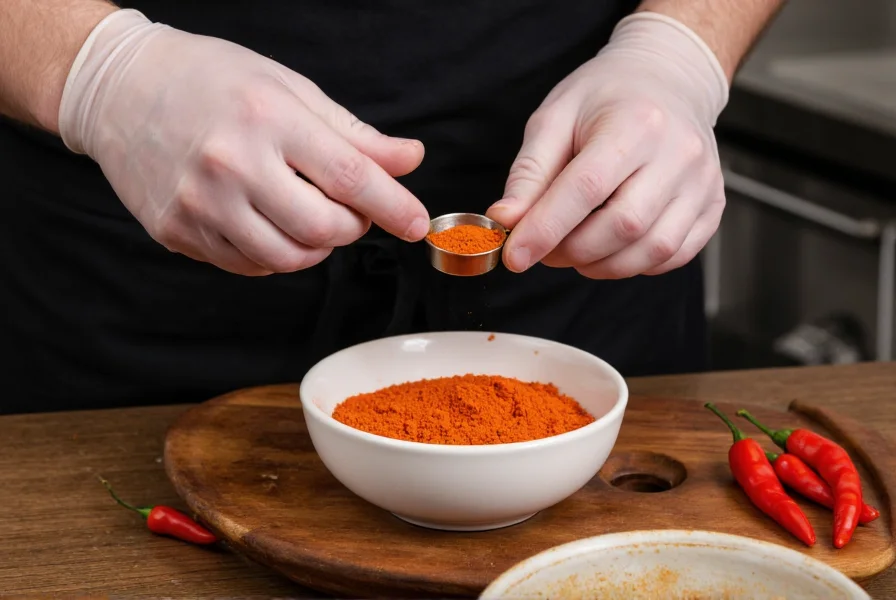
- Always wearing nitrile gloves when handling fresh or dried peppers
- Working in well-ventilated areas to avoid inhaling capsaicin particles
- Using specialized cutting boards reserved only for super-hots
- Starting with minuscule amounts (1/16 teaspoon of dried powder)
- Never heating Naga chilies in oil, which aerosolizes capsaicin
In traditional Northeast Indian cuisine, Nagas appear in:
- Chutneys and pickles where their heat preserves food naturally
- Meat curries where the fat helps moderate the heat
- Smoked preparations that enhance their earthy notes
- Medicinal preparations for treating stomach ailments
Modern culinary applications include carefully dosed hot sauces, infused oils (with proper safety protocols), and even experimental desserts where the heat creates an intriguing contrast with sweetness.
Growing Naga Chilies Successfully
Cultivating Naga chilies requires specific conditions to achieve their characteristic heat and flavor. Successful growers note these essential factors:
- Climate: Thrives in tropical/subtropical conditions with 25-32°C (77-90°F) temperatures
- Soil: Well-draining, slightly acidic soil (pH 6.0-6.8) with organic matter
- Watering: Consistent moisture without waterlogging (drought stress increases heat)
- Sunlight: Minimum 6-8 hours of direct sunlight daily
- Maturation: 110-140 days from transplant to full ripeness
Interestingly, the very stressors that would diminish other plants' productivity actually enhance the Naga's capsaicin production. Moderate drought, slightly nutrient-deficient soil, and temperature fluctuations can increase heat levels, though they may reduce overall yield.
Growing Context Boundaries
Field trials by agricultural extensions reveal specific environmental constraints for optimal Naga cultivation:
| Condition | Successful Implementation | Documented Limitations |
|---|---|---|
| Temperate Climates (USDA Zones 4-7) | Container gardening with supplemental lighting and heating | Yield reduced by 60-70% compared to tropical regions; requires 10+ hours daily artificial light (University of Minnesota Extension) |
| Commercial Processing | Industrial extraction under controlled ventilation | OSHA regulations require air filtration systems when processing >100 lbs/hour (NIOSH Publication No. 2018-160) |
| Home Kitchen Use | Infused vinegars with 1:20 pepper-to-liquid ratio | Exceeding 1:15 ratio creates unsafe capsaicin concentrations (>50,000 SHU) unsuitable for consumption (FDA Food Code 2022, §4-602.11) |
| Soil Composition | Sandy loam with 30% organic matter | Clay soils increase root rot risk by 85% (University of Florida IFAS Circular 130) |
Source: University of Minnesota Extension: Pepper Cultivation Guidelines, NIOSH Handling of Capsaicin-Containing Plants, and University of Florida IFAS: Hot Pepper Production in the Home Garden.
Common Misconceptions About Naga Chilies
Several myths persist about this extraordinary pepper:
- Myth: All super-hot peppers are the same
Reality: Naga has distinct flavor notes different from Carolina Reaper or Scorpion varieties - Myth: Eating Naga chilies can be fatal
Reality: While extremely uncomfortable, normal consumption poses no lethal risk to healthy individuals - Myth: Milk completely neutralizes Naga heat
Reality: Dairy helps but doesn't eliminate the sensation; time is the only true remedy - Myth: The seeds contain most of the heat
Reality: Capsaicin concentrates in the placenta (white ribs), not primarily in seeds
Safety Protocols for Handling Naga Chilies
Responsible handling of Naga chilies requires strict safety measures:
- Always wear nitrile gloves (latex offers insufficient protection)
- Avoid touching face, eyes, or skin while handling
- Wash all surfaces and tools with soapy water immediately after use
- Have dairy products (milk, yogurt) readily available for accidental exposure
- Never cut or process near children or pets
- Store dried peppers in airtight containers away from other spices
If capsaicin exposure occurs, rinse affected areas with cool water for 15 minutes. For skin exposure, a mixture of baking soda and water can help neutralize the oils. For eye exposure, seek medical attention if irritation persists beyond 30 minutes.
Conclusion: Respecting the Power of the Naga
The Naga chili pepper represents nature's remarkable capacity to produce intense sensory experiences. When approached with proper knowledge and respect, it offers culinary enthusiasts a unique opportunity to explore the outer boundaries of flavor and heat. Its journey from obscure regional ingredient to global phenomenon demonstrates how traditional foods can capture worldwide imagination.
Whether you're a chef seeking to expand your flavor palette, a gardener interested in challenging crops, or simply a curious food lover, understanding the Naga chili's true nature—beyond just its heat rating—reveals why it continues to fascinate people worldwide. The key to enjoying this extraordinary pepper lies in respecting its power while appreciating its complex character.
Frequently Asked Questions
How does the Naga chili pepper compare to the Carolina Reaper?
The Naga chili (800,000-1,041,427 SHU) is significantly less hot than the Carolina Reaper (1,400,000-2,200,000 SHU). While both are extremely hot, the Carolina Reaper typically measures about 1.5-2 times hotter than the Naga. The Reaper also has a different flavor profile with more fruity notes and less earthiness than the Naga.
Can you grow Naga chili peppers in temperate climates?
Yes, but with specific considerations. Naga chilies require a long growing season (110-140 days) and warm temperatures. In temperate climates, start seeds indoors 8-10 weeks before last frost, use black plastic mulch to warm soil, and consider container growing that can be moved indoors during cool nights. Expect slightly lower heat levels than in tropical regions.
What's the best way to reduce the heat of a dish that's too spicy from Naga chili?
The most effective methods include adding dairy products (milk, yogurt, sour cream), acidic components (lemon juice, vinegar), or sugar/honey. Increasing the overall volume of the dish with additional non-spicy ingredients also helps dilute the heat. Avoid drinking water, which spreads capsaicin rather than neutralizing it.
How should Naga chili peppers be stored for maximum shelf life?
Fresh Naga chilies last 2-3 weeks in the refrigerator's crisper drawer. For longer storage, freeze whole peppers in airtight bags (up to 6 months) or dry them completely and store in dark glass jars (up to 1 year). Dried Naga powder should be kept in the freezer for maximum potency retention.
Are there any health benefits associated with consuming Naga chili peppers?
Naga chilies contain capsaicin, which has been studied for potential benefits including pain relief, metabolism boost, and anti-inflammatory properties. They're also rich in vitamins A and C. However, these benefits must be weighed against potential digestive irritation, especially for sensitive individuals. Consult a healthcare provider before using for medicinal purposes.




 浙公网安备
33010002000092号
浙公网安备
33010002000092号 浙B2-20120091-4