
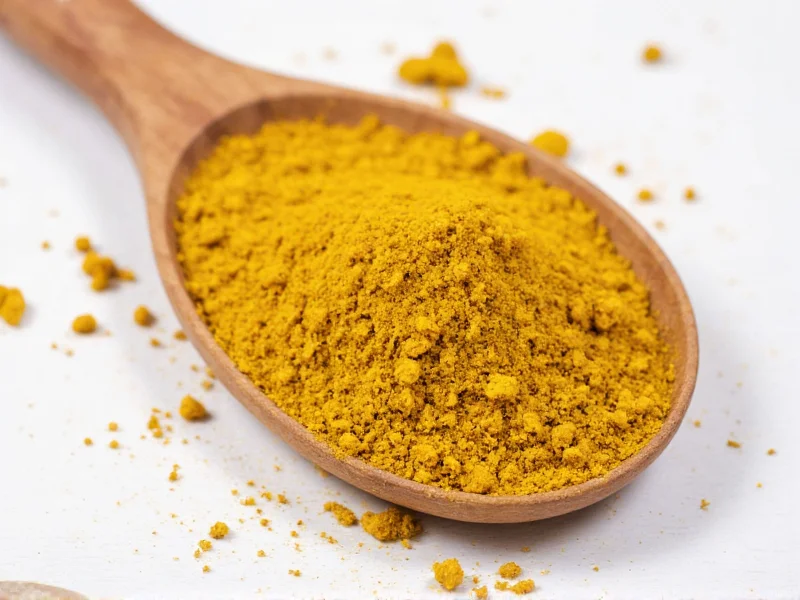
Understanding mustard varieties is essential for both culinary applications and gardening purposes. While many consumers recognize prepared mustards like yellow, Dijon, or whole grain varieties, these all originate from just three main mustard plant species. Each botanical variety offers distinct chemical compounds that determine the heat level, flavor profile, and culinary versatility of the resulting condiment.
Botanical Mustard Varieties Explained
Mustard plants belong to the Brassicaceae family, with three primary species cultivated worldwide. These plants produce seeds that, when combined with liquid and other ingredients, create the diverse range of mustards we enjoy. The key difference between varieties lies in their sinigrin and sinalbin content—compounds that transform into pungent allyl isothiocyanate when crushed and mixed with liquid.
Historical Evolution of Mustard Cultivation
Mustard's agricultural journey reveals significant shifts in cultivation dominance. Yellow mustard (Sinapis alba) was the first variety documented in Roman agricultural texts around 200 BCE, primarily used as a cover crop and medicine. Black mustard (Brassica nigra) became Europe's dominant commercial variety from the 12th to 18th centuries due to its intense heat, but its brittle stalks caused 30-40% harvest loss during mechanical threshing. The pivotal shift occurred between 1860-1920 when Canadian and Indian breeders developed brown mustard (Brassica juncea) cultivars with non-shattering pods and higher yield stability. According to USDA crop adoption records, brown mustard now represents 95% of global commercial production, having completely replaced black mustard in large-scale operations by the 1950s due to mechanization requirements.
Yellow Mustard (Sinapis alba)
Despite its name, yellow mustard seeds actually come from white mustard plants (Sinapis alba), which produce pale yellow to light brown seeds. This variety contains sinalbin rather than sinigrin, resulting in a milder heat that doesn't intensify over time. Yellow mustard seeds create the familiar bright yellow condiment popular in American cuisine, characterized by its tangy but gentle flavor profile. Gardeners appreciate yellow mustard plants for their rapid growth and use as cover crops that suppress soil pathogens.
Brown Mustard (Brassica juncea)
Brown mustard (Brassica juncea) produces seeds ranging from light to dark brown and serves as the foundation for many premium mustards. This variety contains moderate levels of sinigrin, creating that distinctive mustard heat that develops when mixed with liquid. Brown mustard seeds are used in Dijon mustard (despite the name, authentic Dijon now often uses brown seeds rather than black), Chinese hot mustard, and many European stone-ground varieties. The plant itself grows vigorously and tolerates various soil conditions, making it popular among home gardeners seeking different mustard types for culinary experimentation.
Black Mustard (Brassica nigra)
Black mustard (Brassica nigra) produces the smallest, darkest seeds with the highest sinigrin content, yielding the most intense heat of all mustard varieties. Historically used in traditional European mustards, black mustard has largely been replaced by brown mustard in commercial production due to its more difficult harvesting requirements—its tall stature and pod shattering cause significant yield loss in mechanical harvesting operations as documented by Purdue University's agricultural research. Black mustard plants grow tall with distinctive yellow flowers and require specific growing conditions. The resulting condiment offers complex, sharp heat that diminishes over time—making freshly prepared black mustard preparations particularly potent.
Culinary Mustard Varieties Breakdown
The prepared mustards found in grocery stores derive from these three botanical varieties, enhanced with different liquids, vinegars, and additional ingredients:
| Mustard Type | Base Seed Variety | Heat Level (1-10) | Key Characteristics | Best Culinary Uses |
|---|---|---|---|---|
| Yellow Mustard | Yellow (Sinapis alba) | 2 | Bright yellow color, mild tangy flavor | Hot dogs, sandwiches, salad dressings |
| Dijon Mustard | Brown (Brassica juncea) | 5 | Smooth texture, sharp tang, moderate heat | Sauces, marinades, cheese pairings |
| Spicy Brown Mustard | Brown (Brassica juncea) | 6 | Coarse texture, visible seeds, robust flavor | Sausages, pretzels, deli sandwiches |
| Whole Grain Mustard | Brown/Yellow mix | 4 | Visible mustard seeds, complex texture | Charcuterie boards, roasted meats, vinaigrettes |
| Chinese Hot Mustard | Brown (Brassica juncea) | 8 | Intense heat, pungent aroma, short-lived potency | Dipping sauces, Asian cuisine accompaniments |
Context-Specific Limitations in Culinary Applications
Understanding mustard's functional boundaries prevents culinary failures. Black mustard's intense heat degrades rapidly—within 15 minutes of preparation—making it unsuitable for long-cooked dishes but ideal for immediate-use condiments. Brown mustard seeds lose 70% of their enzymatic heat potential when exposed to temperatures above 140°F (60°C), limiting their use in simmered sauces without post-cooking activation. Yellow mustard's stable sinalbin compound allows consistent performance in slow-cooked applications like baked beans, but its mild flavor becomes undetectable in dishes with competing strong spices. As confirmed by USDA Agricultural Research Service genetic studies, these biochemical constraints are inherent to each species' phytochemistry and cannot be overcome through processing adjustments.
Factors Influencing Mustard Heat and Flavor
Several elements determine the final character of any mustard variety:
- Seed variety - Black seeds provide the most heat, followed by brown, then yellow
- Liquid acidity - Vinegar content stops the enzymatic reaction that creates heat
- Preparation method - Cold mixing preserves more heat than hot processing
- Aging time - Mustard heat peaks then diminishes over weeks of storage
- Additional ingredients - Spices, herbs, and sweeteners modify the base flavor
Growing Different Mustard Varieties
Gardeners interested in cultivating various mustard types should consider these factors:
Yellow mustard (Sinapis alba) grows best in cooler temperatures and well-drained soil, reaching maturity in 80-90 days. The plants grow 2-4 feet tall with distinctive yellow flowers. Brown mustard (Brassica juncea) tolerates a wider temperature range and produces seeds in 90-100 days, growing up to 6 feet tall. Black mustard (Brassica nigra) requires warmer conditions and takes 100-120 days to mature, growing the tallest of the three varieties.
For culinary gardeners, succession planting different mustard varieties throughout the growing season can provide a continuous harvest of seeds for homemade preparations. The leaves of all mustard varieties are also edible, offering peppery greens for salads and cooking—particularly the milder young leaves of yellow mustard plants.
Selecting the Right Mustard Variety
Choosing between different mustard types depends on your intended application. For mild applications like classic hot dog mustard or salad dressings, yellow mustard varieties work best. When creating complex sauces or marinades that benefit from moderate heat, Dijon or other brown mustard-based preparations excel. For maximum heat in short-lived applications like dipping sauces, freshly prepared Chinese hot mustard delivers intense flavor.
Home gardeners should select mustard varieties based on their climate and intended use. Those in cooler regions might prefer yellow mustard for its faster maturity, while warmer climate gardeners can successfully grow black mustard for its intense heat profile. All mustard varieties improve soil health through biofumigation properties, making them valuable cover crops regardless of seed harvest intentions.




 浙公网安备
33010002000092号
浙公网安备
33010002000092号 浙B2-20120091-4