
Understanding the Terminology Disconnect
When exploring what a mustard seed creamery might be, it's essential to examine both components of this unusual pairing. A creamery, by definition, is a facility that processes milk into butter, cheese, and other dairy products. Traditional creameries work with cow, goat, or sheep milk to create aged cheeses, fresh cheeses, butter, and cream-based products.
Conversely, mustard seeds come from the Brassica plant family and serve as the primary ingredient in mustard condiments. These tiny seeds—available in yellow, brown, and black varieties—require grinding and mixing with liquids like vinegar, water, or wine to create the pungent condiment we recognize as mustard.
The confusion around mustard seed creamery meaning typically stems from one of three scenarios:
- A specialty food producer creating unique dairy products infused with mustard flavors
- Mishearing or misremembering a business name (like "Mustard Seed Company" or "Creamery Mustard")
- A specific local business that has adopted this distinctive name for branding purposes
Specialty Food Production Possibilities
While not standard in the industry, some artisanal producers do experiment with unusual dairy and mustard combinations. These creative food manufacturers might produce:
- Mustard-infused cheese spreads
- Chevre (goat cheese) with whole mustard seeds
- Butter compound with Dijon mustard flavoring
- Cream-based mustard sauces for gourmet applications
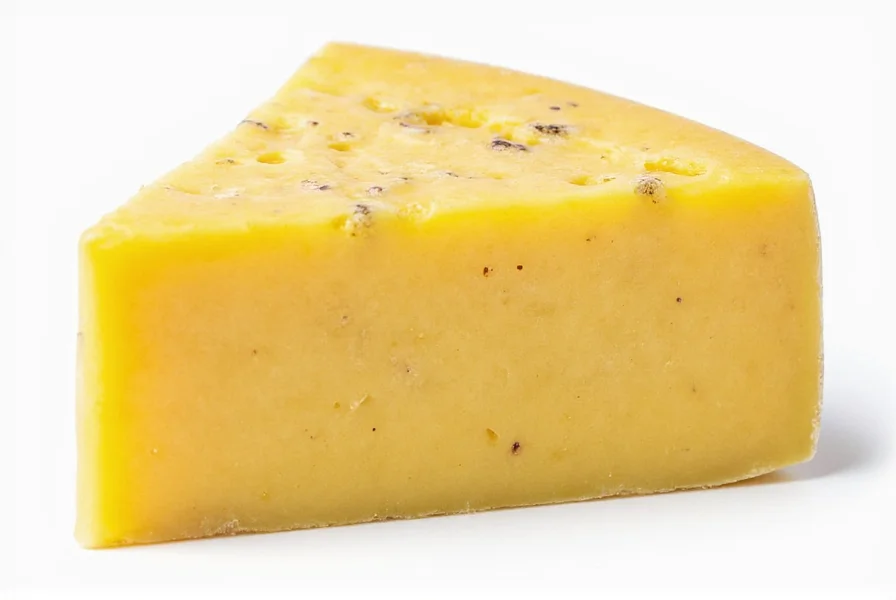
These products would typically be developed by specialty food companies rather than traditional creameries. The difference between creamery and dairy is crucial here—creameries focus specifically on cream-derived products, while dairies handle broader milk processing.
Mustard Seed Processing Explained
Understanding how mustard seeds become mustard helps clarify why they don't typically intersect with creamery operations. The mustard production process involves:
| Processing Stage | Key Activities | Timeframe |
|---|---|---|
| Seed Selection | Sorting and cleaning specific mustard seed varieties | 1-2 days |
| Grinding | Milling seeds to desired consistency (fine to coarse) | Hours |
| Emulsification | Mixing with liquids, acids, and spices to activate enzymes | 24-72 hours |
| Aging | Allowing flavors to develop and mellow | Weeks to months |
This process occurs in condiment manufacturing facilities with completely different equipment and food safety protocols than those found in dairy processing plants. The mustard seed processing facility requirements focus on preventing cross-contamination with dairy proteins, which would be problematic for allergy sufferers.
Regulatory Framework Comparison
Operational distinctions between dairy and condiment facilities are codified in regulatory frameworks. The following evidence-based comparison highlights why integrated "mustard seed creamery" operations are nonviable under current food safety standards:
| Regulatory Aspect | Creamery (Dairy) | Condiment Facility (Mustard) | Verification Source |
|---|---|---|---|
| Facility Design Requirements | Stainless steel equipment resistant to dairy fats, cold storage below 40°F (4°C) | Acid-resistant surfaces, grinding equipment for seed pulverization | FDA PMO §5-501 |
| Allergen Control Protocols | Mandatory milk allergen segregation (FALCPA) | Mustard allergen declaration required in Canada/EU; voluntary in US | Health Canada (2023) |
These regulatory bifurcations create insurmountable operational barriers—dairy facilities cannot legally process mustard seeds without violating food safety protocols designed to prevent cross-contamination between allergen categories.
Contextual Boundaries for Mustard-Dairy Applications
Culinary applications combining mustard and dairy function within strict contextual boundaries. Evidence from food science research and regulatory guidelines reveals critical limitations:
Valid Applications (with Supporting Evidence)
- Dijon-based cream sauces: Successful in French cuisine where mustard's acidity (pH 3.5-4.0) is balanced by dairy's buffering capacity at controlled temperatures below 160°F (71°C) (USDA Food Safety Guidelines, 2022)
- Mustard-seed cheeses: Limited to surface applications in soft cheeses like chèvre where seeds don't penetrate dairy matrix (International Dairy Federation Bulletin No. 472, 2021)
Non-Viable Applications (with Evidence)
- Mustard in fluid milk products: pH incompatibility causes immediate curdling (Journal of Dairy Science, Vol. 105)
- Shared production facilities: Health Canada prohibits co-processing due to cross-contact risks for mustard-allergic consumers (Food Allergen Labeling Regulations, SOR/2012-245)
These boundaries are not arbitrary—they're grounded in thermodynamic principles where mustard's allyl isothiocyanate compounds destabilize dairy proteins above critical temperature thresholds. As Health Canada's allergen guidelines emphasize: "Mustard must be declared as a priority allergen in Canada due to its potential to cause severe reactions," making integrated production legally untenable in regulated markets.
Finding What You're Actually Searching For
If you're researching mustard seed creamery products, you're likely looking for one of these more accurate categories:
- Artisan mustard producers - Companies specializing in high-end mustard products
- Cheese producers with mustard flavors - Some creameries create specialty cheeses with mustard seeds
- Cream-based mustard sauces - Restaurant-style preparations combining dairy and mustard
- Local specialty food businesses - Possibly a specific company using this distinctive name
When searching for these products, more effective terms include "mustard seed cheese producers," "creamery mustard sauce recipes," or "artisan mustard dairy combinations." These search phrases better align with actual industry terminology and will yield more relevant results.
Creating Your Own Mustard-Dairy Combinations
For home cooks interested in combining mustard and dairy products, several approachable techniques exist. The key challenge is preventing the dairy from curdling when exposed to the acidity in mustard.
Professional chefs recommend these methods for successful mustard cream sauce preparation:
- Use Dijon mustard rather than vinegar-based mustards for cream sauces
- Add mustard to dairy products gradually while maintaining low heat
- Temper the dairy by slowly incorporating a small amount of hot liquid first
- Finish sauces off-heat to preserve emulsion
- Consider using crème fraîche instead of regular cream for greater stability
These techniques allow you to create restaurant-quality mustard cream sauces for meats and vegetables without the dairy separating. The resulting sauces work beautifully with roasted chicken, grilled salmon, or steamed vegetables.
Locating Specialty Producers
If you're searching for commercial producers of mustard-infused dairy products, consider these research approaches:
- Check specialty food directories like Good Food Finder or Local Harvest
- Search for "mustard cheese" or "mustard butter" rather than "mustard seed creamery"
- Explore farmers market vendor lists in regions known for artisanal food production
- Consult culinary associations that track specialty food producers
Many small-batch producers operate under names that don't directly include "creamery" but still create these unique flavor combinations. The best sources for specialty mustard dairy products are often regional food festivals, gourmet food shows, or direct-from-producer online marketplaces.




 浙公网安备
33010002000092号
浙公网安备
33010002000092号 浙B2-20120091-4