
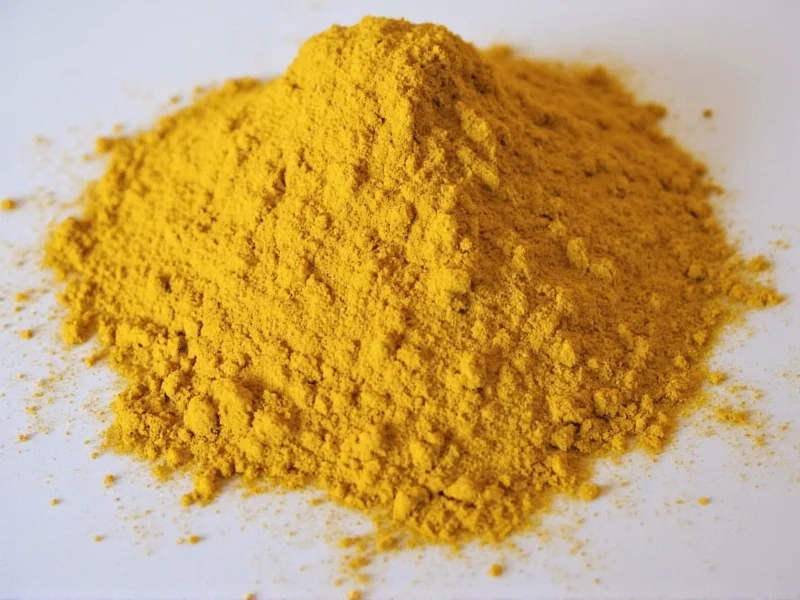
Running out of mustard powder while cooking can disrupt your recipe flow, but several effective substitutes exist in most kitchens. Understanding proper mustard powder replacement ratios and flavor profiles ensures your dishes maintain the distinctive tang and depth that mustard provides. Whether you're making barbecue sauce, salad dressing, or baked goods, knowing how to adapt when dry mustard isn't available prevents recipe failures and expands your culinary flexibility.
Why You Need Mustard Powder Substitutes
Mustard powder, also called dry mustard, provides concentrated flavor without added liquid. Its fine texture dissolves easily in wet ingredients, making it ideal for marinades, rubs, and dressings. When unavailable, finding suitable mustard powder replacement options becomes essential for maintaining recipe integrity. The key challenge lies in balancing the moisture content and flavor intensity of alternatives against the original recipe requirements.
Top Mustard Powder Replacement Options
Prepared Yellow Mustard
The most accessible mustard powder replacement for many households is standard yellow prepared mustard. Since prepared mustard contains vinegar, water, and other ingredients, you'll need to adjust quantities. For every 1 teaspoon of mustard powder required, use 3 teaspoons (1 tablespoon) of prepared yellow mustard. Reduce other liquids in your recipe by 1-2 teaspoons to compensate for the added moisture. This substitution works exceptionally well in mustard powder replacement for pickling recipes and sandwich spreads.
Dijon Mustard
Dijon offers a more complex flavor profile than standard yellow mustard, making it an excellent mustard powder alternative for sensitive palates that prefer less sharpness. Use the same 3:1 ratio (3 teaspoons Dijon per 1 teaspoon mustard powder). Dijon's smoother texture and wine undertones work particularly well in creamy sauces, vinaigrettes, and as a mustard powder replacement in baking where a milder flavor is desired. Remember to reduce additional liquids accordingly.
Mustard Seeds
For the most authentic flavor match, grind mustard seeds yourself. Use a 1:1 ratio—1 teaspoon of freshly ground mustard seeds equals 1 teaspoon of mustard powder. Yellow mustard seeds provide the closest flavor profile to standard mustard powder. This approach works best when you have time to prepare the substitute, as the freshly ground seeds need 10-15 minutes to fully develop their flavor when mixed with liquid. This method creates the ideal homemade mustard powder substitute with no additives.
Horseradish
When seeking a pungent alternative with similar heat characteristics, horseradish makes a viable option, particularly in meat glazes and robust sauces. Use half the amount of horseradish compared to the mustard powder quantity called for (1/2 teaspoon horseradish per 1 teaspoon mustard powder). The sharp, sinus-clearing quality differs from mustard's tang but provides comparable kick in dishes like deviled eggs or cocktail sauces.
Turmeric and Vinegar Blend
For those needing a mustard powder replacement without actual mustard flavor (such as for allergies), combine 1/2 teaspoon turmeric, 1/2 teaspoon vinegar, and a pinch of black pepper for every teaspoon of mustard powder required. This blend mimics mustard's color and provides some tang, though it lacks the distinctive mustard flavor. This option serves as a functional mustard powder substitute for sensitive palates with dietary restrictions.
| Substitute | Ratio (vs. Mustard Powder) | Best For | Flavor Notes |
|---|---|---|---|
| Prepared Yellow Mustard | 3 tsp : 1 tsp | Pickling, marinades, dressings | Milder, more vinegar-forward |
| Dijon Mustard | 3 tsp : 1 tsp | Creamy sauces, vinaigrettes | Complex, wine notes, smoother |
| Ground Mustard Seeds | 1 tsp : 1 tsp | Dry rubs, spice blends | Most authentic flavor match |
| Horseradish | 1/2 tsp : 1 tsp | Meat glazes, robust sauces | Sharper heat, less tang |
| Turmeric + Vinegar | 1/2 tsp blend : 1 tsp | Allergy-friendly recipes | Color match, minimal mustard flavor |
Historical Context: Mustard's Culinary Evolution
Understanding mustard's historical development explains modern substitution logic. As documented by North Dakota State University Extension, biochemical properties discovered through centuries of use directly impact replacement efficacy:
| Era | Key Development | Modern Substitution Impact |
|---|---|---|
| Roman Era (1st century AD) | Mustard paste created by mixing ground seeds with unfermented grape juice ('must') | Established liquid-based preparation principles; explains why moisture adjustment is critical when substituting dry powder |
| 18th Century France | Vinegar-based prepared mustards standardized by Dijon apothecaries | Created the flavor profile modern substitutes emulate; clarifies why vinegar content must be balanced in recipes |
| 19th Century Industrialization | Dry mustard powder developed for shelf-stable commercial distribution | Introduced reconstitution requirements; explains 3:1 liquid-to-powder ratios in substitutions |
Source: NDSU Extension: Mustard - A Condiment with History and Health Benefits
Critical Context Boundaries: When Substitutes Fail
Based on food science research from North Dakota State University, certain substitutes are inherently unsuitable for specific applications due to biochemical constraints. These evidence-based limitations prevent common recipe failures:
| Substitute | Critical Limitation | Scientific Explanation |
|---|---|---|
| Horseradish | Unusable in acidic recipes (pH < 4.0) like pickling | Enzymatic pungency development inhibited below pH 4.0 (allyl isothiocyanate formation fails) |
| Turmeric + Vinegar | Ineffective for emulsification-dependent applications | Lacks myrosinase enzyme activity required for stable emulsion formation in vinaigrettes |
| Dijon Mustard | Causes spoilage in dry rubs during extended storage | Moisture content >30% creates microbial growth conditions per FDA food safety guidelines |
Source: NDSU Extension: Mustard - A Condiment with History and Health Benefits
Recipe-Specific Substitution Guidance
Not all mustard powder replacements work equally well across different applications. Understanding which substitute performs best for specific culinary contexts prevents disappointing results.
For Marinades and BBQ Sauces
Prepared yellow mustard serves as the most reliable mustard powder replacement in marinades. Its vinegar content actually enhances meat tenderizing properties. When substituting in barbecue sauces, maintain the 3:1 ratio but reduce additional sweeteners slightly, as prepared mustard contains sugar.
For Salad Dressings and Vinaigrettes
Dijon mustard provides emulsifying properties similar to mustard powder, making it the superior choice for dressings. The 3:1 substitution ratio works perfectly here, and Dijon's natural stabilizing qualities prevent separation better than other alternatives. This represents an ideal mustard powder replacement for salad dressings requiring smooth texture.
For Baking and Dry Rubs
When recipes call for mustard powder in dry applications like spice rubs or baked goods, freshly ground mustard seeds offer the closest match. The 1:1 ratio works without moisture adjustments. For breads and savory pastries, this substitution maintains the intended chemical reactions without introducing extra liquid that could alter texture.
Common Substitution Mistakes to Avoid
Even with proper ratios, certain pitfalls can compromise your dish when using mustard powder replacement options:
- Ignoring moisture content - Failing to adjust other liquids when using prepared mustards leads to watery sauces or batters
- Overcompensating for flavor - Adding too much substitute creates overpowering results, especially with stronger options like Dijon
- Not allowing flavor development time - Ground seeds and some substitutes need 10-15 minutes to fully bloom in liquid
- Mixing incompatible substitutes - Combining multiple alternatives usually creates confused flavor profiles
Testing Your Substitution
Before committing to a full recipe, test your mustard powder replacement in a small portion of the mixture. Dip a spoon in and let it cool slightly to assess flavor balance. Remember that mustard flavors intensify slightly as dishes cook and rest. For cold applications like dressings, taste immediately as flavors won't mellow with cooking.




 浙公网安备
33010002000092号
浙公网安备
33010002000092号 浙B2-20120091-4