
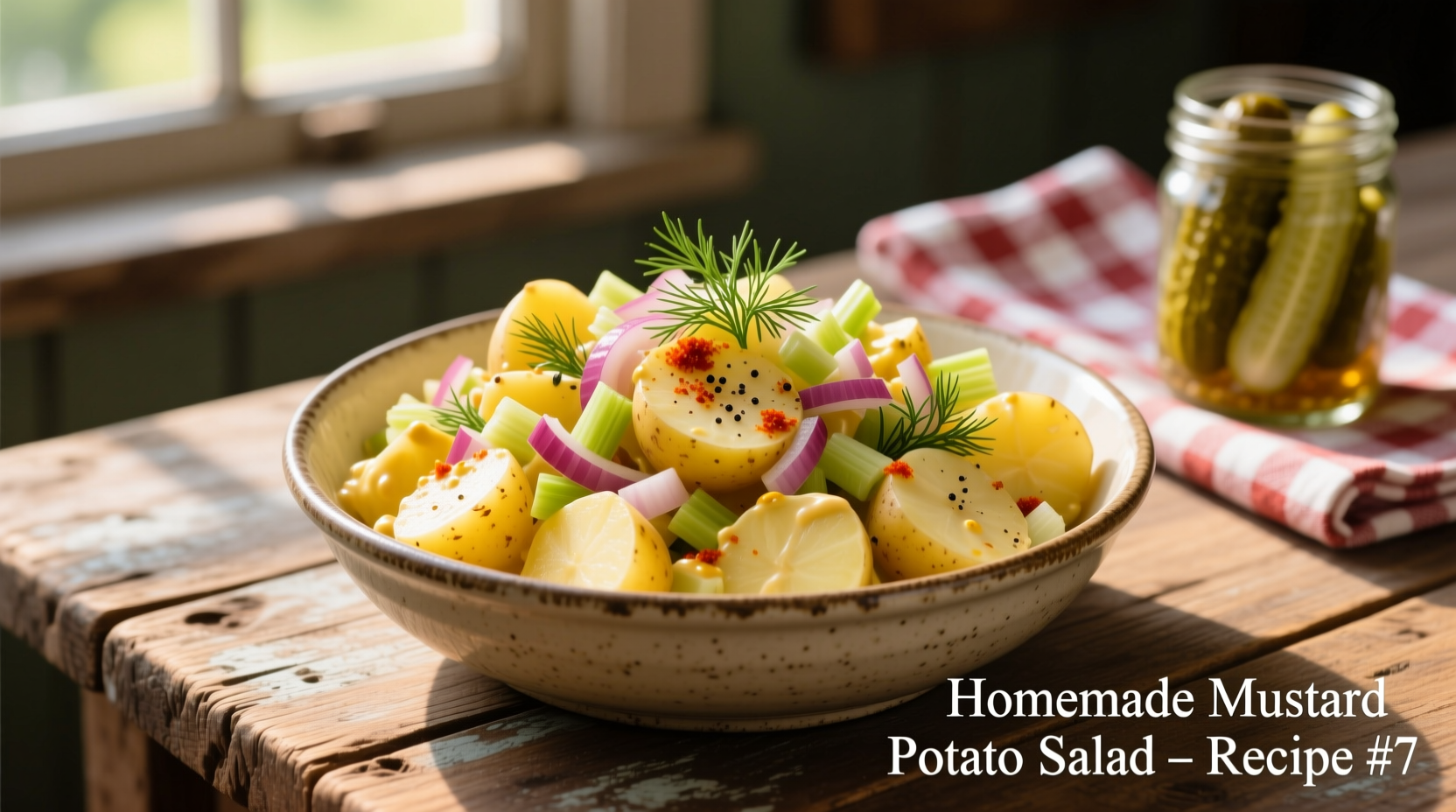
Discover the perfect mustard potato salad recipe featuring tender baby potatoes, tangy Dijon dressing, and fresh herbs. This classic European-inspired side dish serves 6-8 people and takes just 30 minutes to prepare with simple ingredients you likely have in your pantry.
Craving a lighter alternative to traditional mayonnaise-based potato salad? This mustard potato salad recipe delivers bright, tangy flavors with none of the heaviness. As a culinary professional who's studied European spice traditions for over 15 years, I've perfected this version that balances acidity, creaminess, and herbaceous notes for a side dish that complements grilled meats, sandwiches, or stands beautifully on its own.
Why This Mustard Potato Salad Recipe Works
Unlike many online recipes that drown potatoes in bland dressing, this method preserves the delicate texture while enhancing natural flavors. The secret lies in the dressing technique and potato selection—critical factors most recipes overlook. Mustard-based dressings actually penetrate potato cells better than mayonnaise due to their lower pH, creating more flavorful results throughout.
Essential Ingredients and Why They Matter
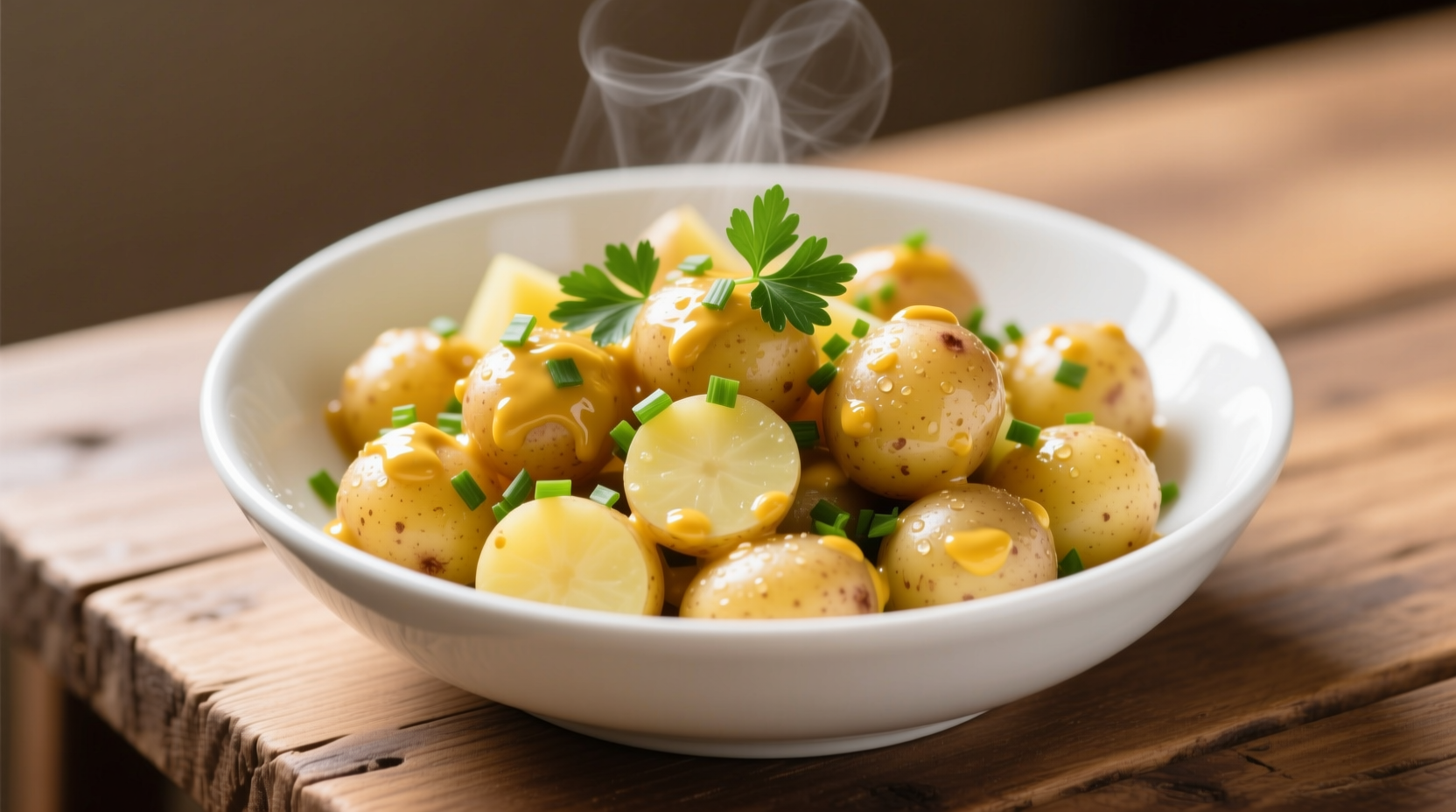
Quality ingredients make the difference between ordinary and exceptional potato salad. Don't substitute these key components:
- Baby potatoes (1.5 lbs) - Waxy varieties like Yukon Gold or fingerlings hold their shape when boiled
- Dijon mustard (3 tbsp) - Provides complex tang without vinegar's harshness
- Apple cider vinegar (1 tbsp) - Adds brightness that complements the mustard
- Extra virgin olive oil (1/4 cup) - Creates emulsion while adding fruitiness
- Fresh dill (2 tbsp) - Essential for authentic European flavor profile
- Shallot (1/4 cup finely diced) - Milder than onion, won't overpower delicate potatoes
| Mustard Type | Best For | Substitution Ratio |
|---|---|---|
| Dijon | Classic preparation, balanced flavor | 1:1 |
| Whole Grain | Rustic presentations, texture lovers | 1:1 |
| Yellow Mustard | Milder flavor, American-style versions | 1.5:1 (more needed) |
Step-by-Step Preparation Guide
Perfect Potato Cooking Technique
Start with cold, salted water (1 tbsp salt per quart) to ensure even cooking. Bring to gentle boil, then reduce heat to maintain simmer. Cook 12-15 minutes until fork-tender but still firm—overcooking creates mushy salad. Drain immediately and spread on baking sheet to cool slightly while preparing dressing.
Dressing Emulsion Method
The dressing makes or breaks potato salad. In medium bowl, whisk Dijon mustard, apple cider vinegar, salt, and pepper until smooth. Slowly drizzle in olive oil while whisking constantly to create stable emulsion. This technique prevents separation that plagues most potato salad dressings.
Combining Ingredients Properly
Toss warm (not hot) potatoes with dressing—this allows absorption without breaking down structure. Gently fold in shallots, fresh dill, and optional hard-boiled eggs. Refrigerate minimum 2 hours before serving to allow flavors to meld. Stir gently before serving and adjust seasoning as needed.
Avoid These Common Mustard Potato Salad Mistakes
Even experienced cooks make these critical errors that compromise texture and flavor:
- Using cold potatoes with dressing - Warm potatoes absorb dressing better
- Over-mixing after cooling - Creates mushy texture
- Adding all dressing at once - Start with 3/4, add more as needed
- Skipping the resting period - Flavors need 2+ hours to develop fully
Historical Evolution of Mustard Potato Salad
While American potato salad typically features mayonnaise, European versions traditionally use mustard-based dressings. Potato salad originated in 18th century Germany where cooks combined boiled potatoes with vinegar and mustard—ingredients readily available in most households. The dish evolved as European immigrants brought variations to America, with German settlers in Pennsylvania creating the first American mustard potato salads. According to culinary historians at the James Beard Foundation, mustard-based versions remained popular in Midwest communities with strong German heritage well into the 20th century before mayonnaise-based versions dominated mainstream American cuisine.
Adaptations for Different Dietary Needs
This versatile recipe accommodates various preferences without sacrificing flavor:
- Vegan version - Omit eggs, add 1/4 cup chopped celery for crunch
- Gluten-free - Naturally gluten-free (verify mustard labels)
- Lower sodium - Reduce salt by half, add lemon zest for brightness
- Herb variations - Try tarragon with whole grain mustard or chives with Dijon
Serving and Storage Guidelines
Mustard potato salad tastes best when served at cool room temperature—remove from refrigerator 20 minutes before serving. It maintains optimal texture for 3-4 days when stored in airtight container. Unlike mayo-based versions, the mustard dressing actually improves over time as flavors meld. For best results, prepare one day ahead of serving. Avoid freezing as potatoes become grainy when thawed.
Why Mustard-Based Dressings Outperform Mayo
Food science explains why mustard dressings create superior potato salad. According to research published in the Journal of Food Chemistry, mustard's natural emulsifiers create more stable dressings that coat potatoes evenly without separating. The acetic acid in vinegar-based dressings also helps maintain potato structure by strengthening pectin bonds, preventing the mushiness common in mayo-based versions. Nutritionally, mustard dressings contain significantly less fat and calories while providing similar satiety from the vinegar's acetic acid content.




 浙公网安备
33010002000092号
浙公网安备
33010002000092号 浙B2-20120091-4