
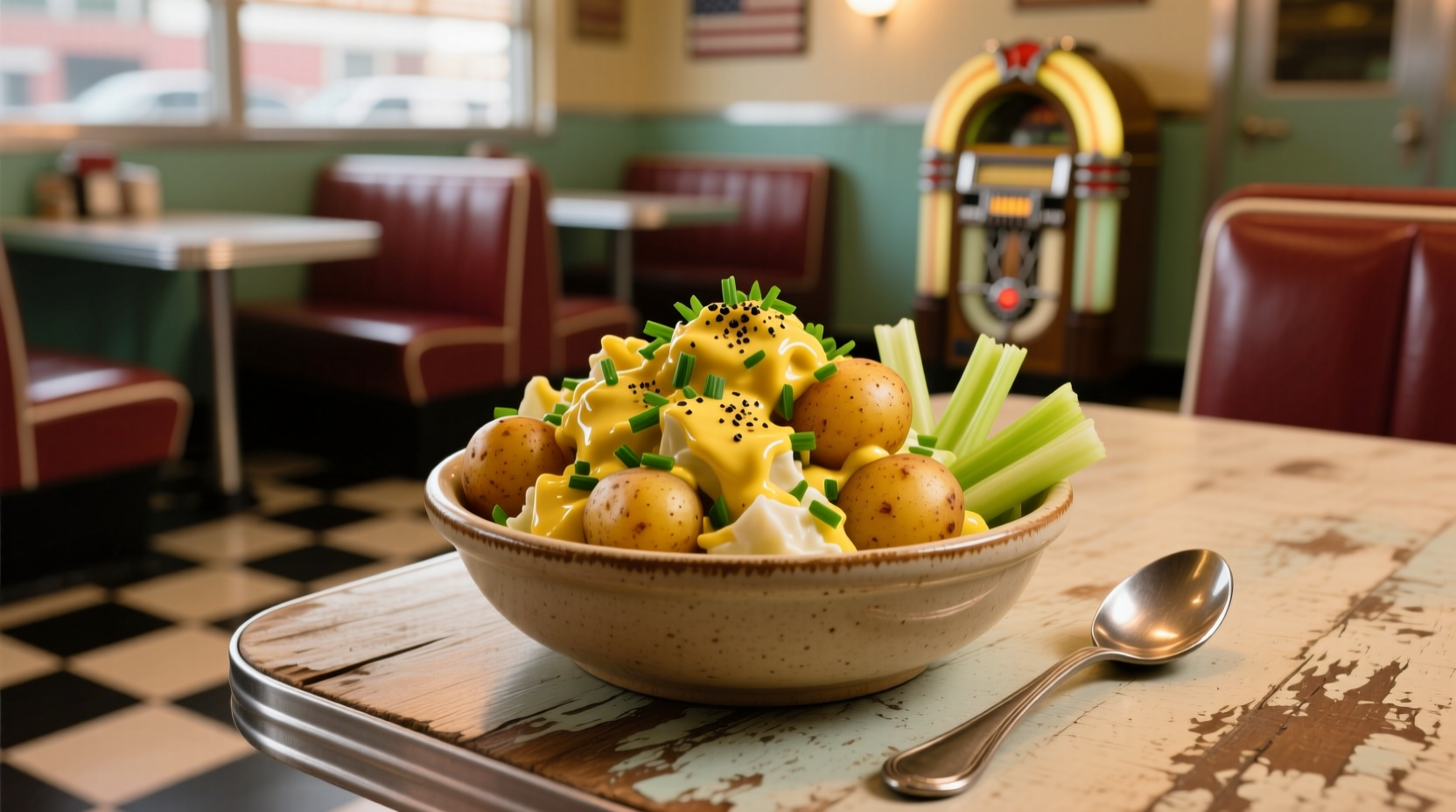
Why Mustard Elevates Potato Salad Beyond Ordinary Recipes
Mustard potato salad represents a culinary sweet spot where tangy complexity meets comforting familiarity. Unlike traditional mayonnaise-based versions, the mustard variation offers brighter acidity that cuts through richness while enhancing the natural earthiness of potatoes. Food science reveals that mustard's emulsifying properties create a more stable dressing that won't separate, even in warm temperatures—a crucial advantage for outdoor gatherings.
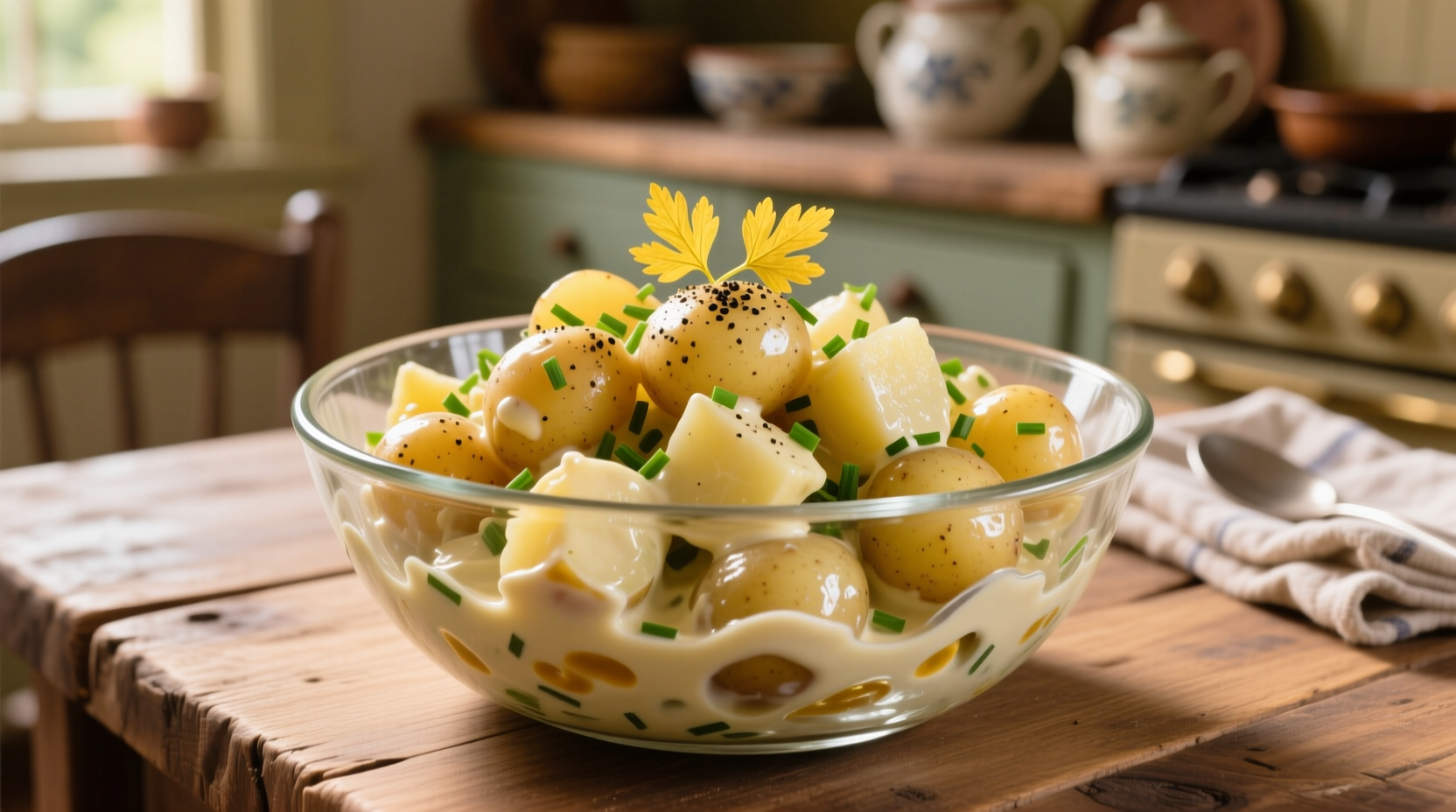
Essential Ingredients for Authentic Flavor
Selecting quality components makes the difference between ordinary and exceptional potato salad. The following table compares mustard varieties to help you choose based on desired flavor profile:
| Mustard Type | Flavor Profile | Best For | Acidity Level |
|---|---|---|---|
| Dijon | Sharp, complex, wine notes | Elegant presentations, dinner parties | ★★★☆☆ |
| Yellow | Mild, tangy, slightly sweet | Classic American-style salads | ★☆☆☆☆ |
| Whole Grain | Rustic, textured, nutty | Hearty sandwiches, picnic baskets | ★★☆☆☆ |
| Spicy Brown | Robust, horseradish notes | BBQ sides, bold flavor lovers | ★★★★☆ |
Professional Preparation Techniques
Follow these chef-recommended steps for perfect texture and flavor integration:
- Potato selection: Use waxy varieties like Yukon Gold or red potatoes that hold shape when cooked. Avoid starchy russets which become mushy.
- Cooking method: Simmer potatoes in salted water with 1 tablespoon vinegar (prevents disintegration) until just fork-tender—approximately 12-15 minutes for 1-inch cubes.
- Dressing absorption: Toss warm potatoes with ⅓ of dressing immediately after draining. This allows flavors to penetrate while potatoes are receptive.
- Resting period: Refrigerate for minimum 4 hours (ideally overnight) before serving. This critical step allows flavors to meld and dressing to fully absorb.
Avoid These Common Mustard Potato Salad Mistakes
Even experienced cooks make these preventable errors that compromise texture and flavor:
- Overcooking potatoes: Results in disintegration when mixed. Test with fork at 10 minutes.
- Adding dressing to hot potatoes: Causes mayonnaise to break. Potatoes should be warm but not hot (140°F/60°C).
- Skipping acid balance: Mustard provides tang but benefits from additional acid. Add 1 teaspoon apple cider vinegar per cup of dressing.
- Insufficient seasoning: Potatoes absorb salt. Season in layers—water, dressing, and final adjustment before serving.
Regional Variations Worth Trying
Mustard potato salad has evolved distinct regional interpretations across culinary traditions. German-style Kartoffelsalat typically uses broth instead of mayonnaise, while Southern American versions often include hard-boiled eggs and bacon. For authentic German preparation, replace half the dressing with warm chicken broth and add 2 tablespoons of finely minced shallots.
Food historians note potato salad's evolution from European courts to American picnic tables. According to the University of Michigan's Potato History Archive, the first recorded potato salad recipe appeared in 1719 German cookbook Das Neue Eigentliche Kochbuch, featuring vinegar-based dressing without mustard. Mustard became common after French Dijon production scaled in the 19th century.
Perfect Pairings and Serving Suggestions
This versatile side complements various main courses depending on mustard selection:
- Dijon version: Pairs beautifully with grilled salmon, roast chicken, or vegetarian quiches
- Spicy brown mustard: Ideal companion for pulled pork sandwiches and smoked brisket
- Whole grain mustard: Excellent with sausages, corned beef, or as part of charcuterie boards
For optimal presentation, serve in a chilled bowl lined with lettuce leaves. Garnish with fresh dill sprigs and additional mustard drizzle for visual appeal. Mustard potato salad maintains quality for 3-4 days refrigerated in airtight containers—unlike mayonnaise-based versions which deteriorate faster.
Make-Ahead Success Strategies
Professional caterers rely on these time-saving techniques for stress-free preparation:
- Cook and cube potatoes up to 24 hours in advance, storing submerged in cold water with lemon juice to prevent browning
- Prepare dressing separately and combine with potatoes 4-6 hours before serving
- Keep garnishes (fresh herbs, additional mustard) separate until plating
- For extended freshness, add ½ teaspoon citric acid to dressing which maintains texture for up to 5 days




 浙公网安备
33010002000092号
浙公网安备
33010002000092号 浙B2-20120091-4