
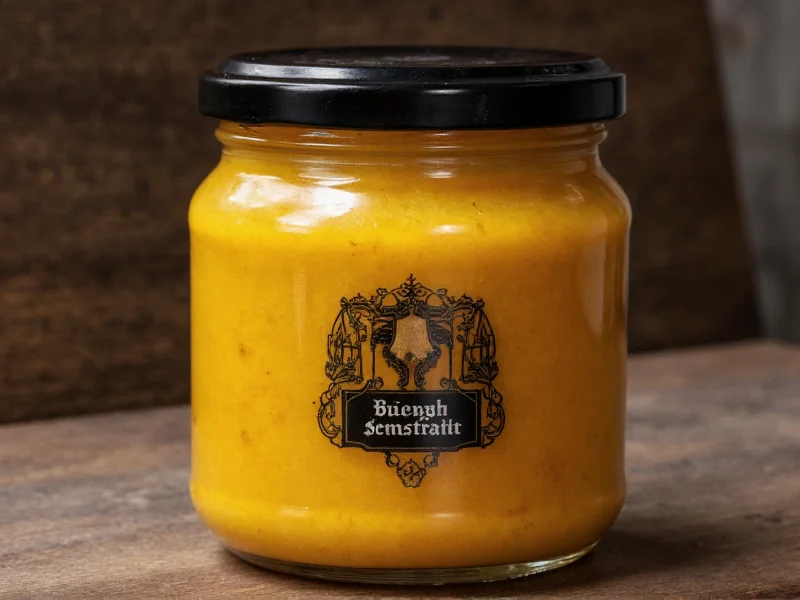
Alright, let’s cut to the chase—you’ve got that little yellow bottle in your fridge, and honestly, you probably only use it for hot dogs. I mean, who hasn’t felt that way? After 20 years messing around with spices in my kitchen, I’ve learned mustard isn’t just a one-trick pony. It’s seriously underrated, and most folks miss out because they think all mustard tastes the same. Total myth. Let’s fix that right now.
Why Mustard Feels Like a Mystery (And How to Crack It)
You know that moment when you’re grilling burgers and grab mustard out of habit, but it just… sits there? Bland. Forgettable. That’s the pain point. Truth is, mustard’s magic comes from how you pick and use it. See, mustard seeds themselves are neutral—it’s the liquid and grind that create the flavor explosion. Vinegar type? Acid level? Seed coarseness? All game-changers. Like, Dijon uses verjuice (unripe grape juice) for that bright kick, while yellow mustard leans on turmeric for color and mildness. Once you get this, your cooking gets way more interesting—no joke.
| Type | Flavor Profile | Best Uses | Watch Out For |
|---|---|---|---|
| Yellow Mustard | Mild, tangy, slightly sweet | Burgers, hot dogs, basic dressings | Loses depth if cooked too long |
| Dijon Mustard | Sharp, complex, wine-vinegar tang | Emulsifying sauces, deglazing pans, vinaigrettes | Can overpower delicate dishes |
| Whole Grain Mustard | Earthy, textured, subtle heat | Pretzels, charcuterie boards, braises | Seeds can settle—shake well! |
| German Mustard | Vinegar-forward, medium heat | Sausages, potato salad, pickled veggies | Too acidic for creamy sauces |
When to Reach for Mustard (And When to Skip It)
Okay, real talk: mustard isn’t for everything. I’ve seen folks dump it into creamy pasta sauces only to end up with a broken, sour mess. Not cool. Here’s the scoop based on actual kitchen fails I’ve lived through:
- Use it when you need acidity without lemon—like in mayo-based dressings (it stabilizes emulsions, BTW). Or when deglazing a pan; that fond? Gold. Especially with roasted meats or veggies.
- Avoid it in dairy-heavy dishes (think mac and cheese)—the vinegar curdles milk. Also skip it in sweet applications like fruit salads; the tang clashes. And never boil mustard directly; it turns bitter fast. Just stir it in off-heat.
Spotting Quality Mustard (No Fancy Degree Needed)
Here’s how I judge mustard now versus when I started: check the ingredient list. Real mustard has seeds, vinegar, salt, and maybe spices—period. If you see "distilled vinegar" instead of wine/apple cider vinegar, it’s cheaper but flatter tasting. And texture? Give the jar a gentle shake. Good whole grain mustard should have visible seeds suspended evenly; if they’re all sunk to the bottom, it’s old or low-quality. Pro tip: smell the lid when you open it. Fresh mustard has a clean, sharp aroma. Off smells? Toss it—no second chances.
Common Mistakes Even Pros Make
Look, I’ve been there. Thinking all mustard is interchangeable? Big error. Yellow won’t cut it in a beurre blanc—it lacks depth. Or storing it at room temperature after opening? Yeah, that cuts shelf life in half. And here’s the kicker: people assume mustard never spoils. Not true! After 18 months, even refrigerated, it fades. Taste it before using in critical dishes. Oh, and don’t rinse seeds when making DIY mustard—water dilutes the enzymes that create that signature heat.
Everything You Need to Know
Mustard’s tang comes from mustard enzymes reacting with vinegar or other acids during grinding. Unlike plain vinegar, the seeds contain compounds that create a complex, lingering heat—not just sharpness. This reaction (called myrosinase activity) mellows over time, which is why fresh mustard packs more punch.
Refrigerated mustard stays fresh 12–24 months after opening. Check for color changes (yellow mustard fading = old) or a flat smell. If it’s separated but still smells sharp, stir and use—it’s fine. Discard if moldy or sour-smelling.
Yes, but carefully. For Dijon, mix yellow mustard with a splash of white wine. In dressings, replace 1 tbsp mustard with 1.5 tsp apple cider vinegar + pinch of turmeric. Never swap in horseradish—it’s hotter and alters flavor. For baking (like pretzels), skip substitution; mustard’s enzymes affect dough texture.
Mustard seeds contain selenium and magnesium, which support metabolism. The vinegar base aids digestion, but benefits are modest—don’t overhype it. Avoid if sensitive to sulfites (common in cheap brands). Real talk: it’s mostly about flavor, not health miracles.
Bitterness happens when mustard boils. Off-heat, stir in 1 tsp honey or maple syrup to balance. For emulsions, add a splash of cream. Prevention tip: always add mustard last to warm (not hot) liquids. If it’s ruined, start over—bitterness won’t cook out.
Bottom line? Mustard’s your secret weapon for adding depth without fuss. Pick the right type for the job, store it right, and it’ll save your sauces, sandwiches, and even roasted veggies. Honestly, once you get past the basics, you’ll wonder how you ever cooked without it. Now go grab that jar—and actually use it.




 浙公网安备
33010002000092号
 浙B2-20120091-4