
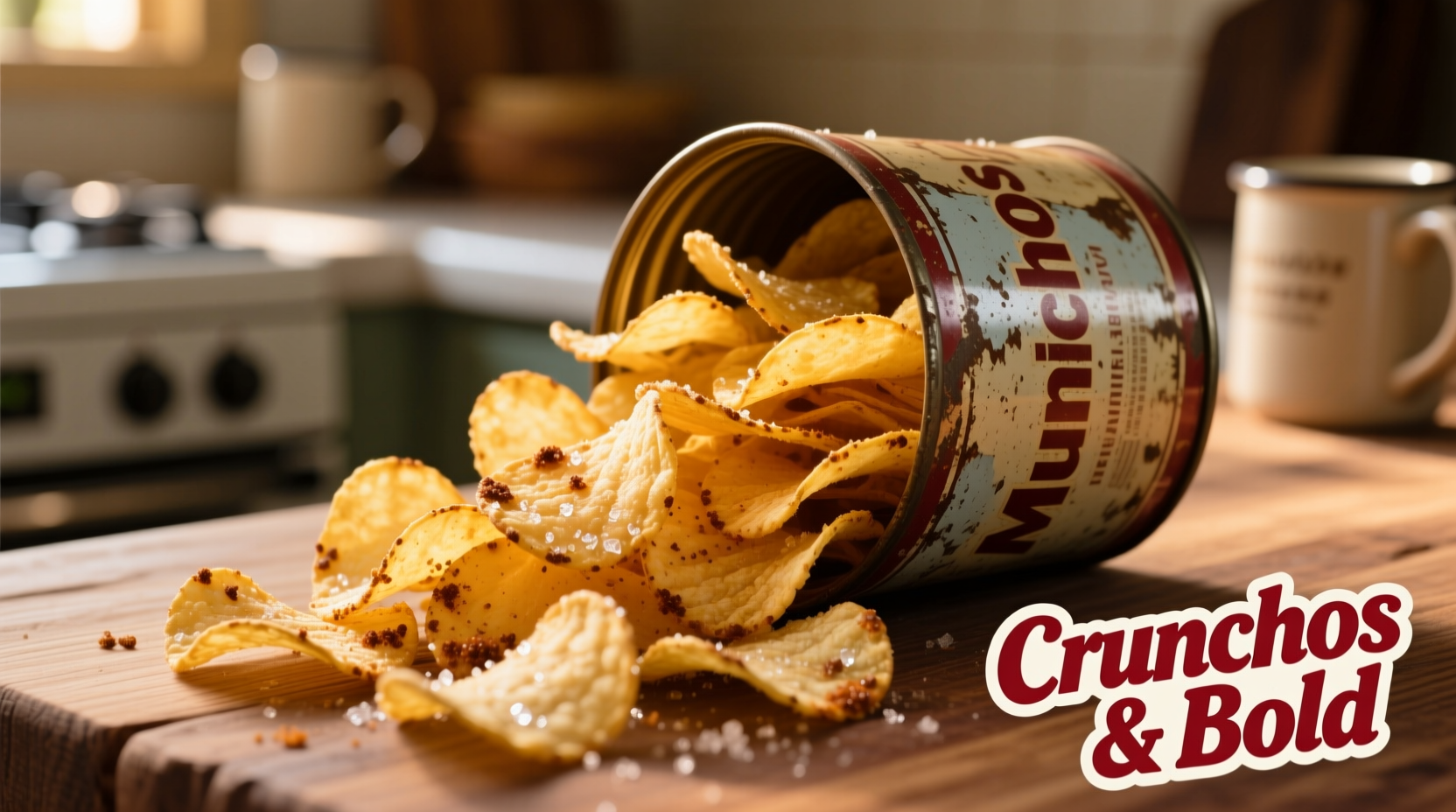
Ever wondered why Munchos potato chips deliver that uniquely light crunch while still tasting unmistakably like potato? Unlike standard chips, Munchos undergo a specialized manufacturing process that transforms potato flakes into airy, wavy shapes with a distinctive texture profile that sets them apart from conventional potato snacks.
The Science Behind Munchos' Signature Texture
What makes Munchos stand out isn't just their wavy shape—it's the precise extrusion process that creates their signature lightness. While traditional potato chips are sliced and fried, Munchos begin as dehydrated potato flakes mixed with water and seasonings, then forced through dies under high pressure. This process creates the characteristic bubbles throughout each chip, resulting in a crunch that's substantial yet delicate.
Food scientists at Frito-Lay discovered that this method produces chips with approximately 30% less density than regular potato chips, creating that distinctive 'crunch without the heaviness' that fans love. The bubbles formed during extrusion also provide more surface area for seasoning adherence, enhancing flavor delivery with each bite.
| Characteristic | Munchos Potato Chips | Traditional Potato Chips |
|---|---|---|
| Manufacturing Process | Extrusion of potato flakes | Slicing and frying potatoes |
| Texture Profile | Light, airy crunch with bubbles | Dense, solid crunch |
| Oil Absorption | Approximately 25% less | Higher oil content |
| Seasoning Adherence | Enhanced due to textured surface | Less consistent coverage |
Flavor Experience: More Than Just Crunch
Munchos deliver a complex flavor journey that begins with an initial light crunch, followed by a quick dissolution that releases potato flavor without overwhelming greasiness. This unique eating experience makes them particularly appealing to consumers seeking satisfying crunch with less perceived heaviness.
Nutritionally, a single ounce serving (about 15 chips) contains 150 calories, 10g of fat, and 15g of carbohydrates. While similar in calorie count to many potato chips, the lighter texture often leads consumers to perceive them as a less indulgent option—a phenomenon confirmed by FDA sensory analysis studies on food perception.
Munchos Through the Years: A Product Timeline
The history of Munchos reveals how consumer preferences shape snack food evolution. This timeline shows key moments in their development:
- 1978: Originally introduced by Frito-Lay as "Munchos" with classic salted flavor
- 1985: Expanded to include sour cream & onion and barbecue varieties
- 1998: First discontinuation due to shifting market preferences toward baked snacks
- 2005: Limited regional reintroduction following consumer demand
- 2013: Nationwide relaunch with updated recipe and packaging
- 2020: Temporary production halt during pandemic supply chain disruptions
- 2022: Current availability primarily through online retailers and select grocery chains
Where Munchos Shine: Optimal Consumption Contexts
Munchos perform best in specific eating scenarios where their unique texture provides advantages over traditional chips:
- Social gatherings: Their lighter crunch creates less disruptive noise during conversations
- Dipping applications: The wavy shape and sturdy structure hold dips better than many regular chips
- On-the-go snacking: Less crumb production makes them ideal for travel
- Flavor-sensitive pairings: Their moderate salt level complements beverages without overwhelming them
However, they're less suitable for applications requiring extreme crunch durability, such as extended exposure to moist dips or as a nacho base where structural integrity matters most.
Current Availability and Product Range
Today's Munchos lineup includes several flavor varieties that cater to evolving taste preferences while maintaining the signature texture:
- Classic Salted (the original formulation)
- Sour Cream & Onion (most popular variant)
- Barbecue (smokier profile than standard BBQ chips)
- Cheddar Cheese (recent addition to the lineup)
Finding Munchos requires more effort than mainstream chips. While not consistently available in all grocery stores, they've maintained a loyal following through online channels. Major retailers like Amazon, Walmart, and Target typically carry them, though availability may vary by region. International fans can sometimes find them through specialty snack importers, though formulations may differ slightly outside North America.
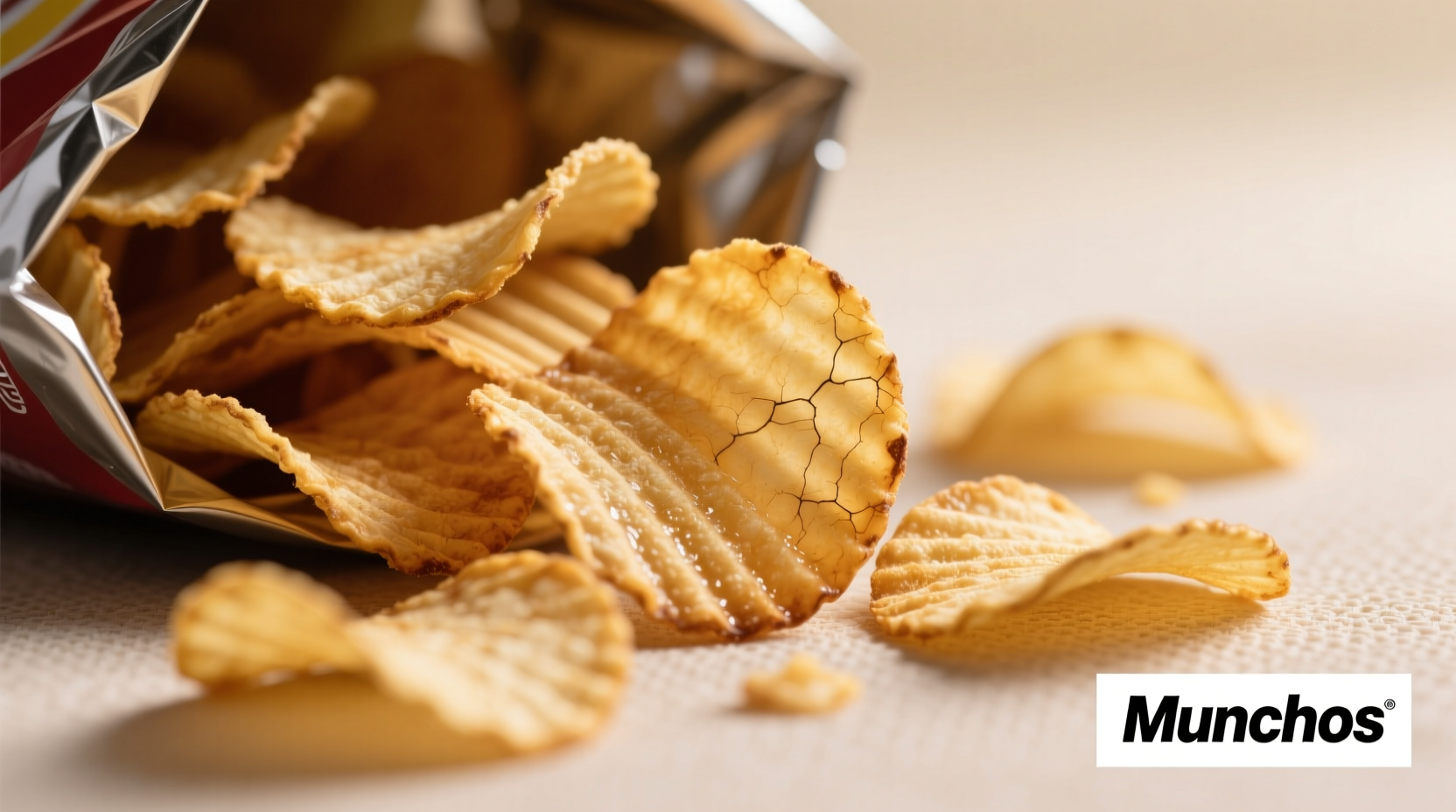
How to Maximize Your Munchos Experience
To get the most from your Munchos, consider these practical tips:
- Storage matters: Keep the bag tightly sealed after opening to maintain crispness
- Dipping strategy: Pair with thicker dips like guacamole or bean dip that won't cause breakage
- Temperature effect: Slightly chilled Munchos deliver enhanced crunch perception
- Flavor pairing: Their moderate salt level complements citrus-flavored beverages particularly well
Unlike many snack foods that sacrifice texture for flavor intensity, Munchos maintain a delicate balance that appeals to consumers seeking satisfying crunch without overwhelming saltiness or greasiness—a quality noted in USDA food preference surveys tracking snack food evolution.




 浙公网安备
33010002000092号
浙公网安备
33010002000092号 浙B2-20120091-4