
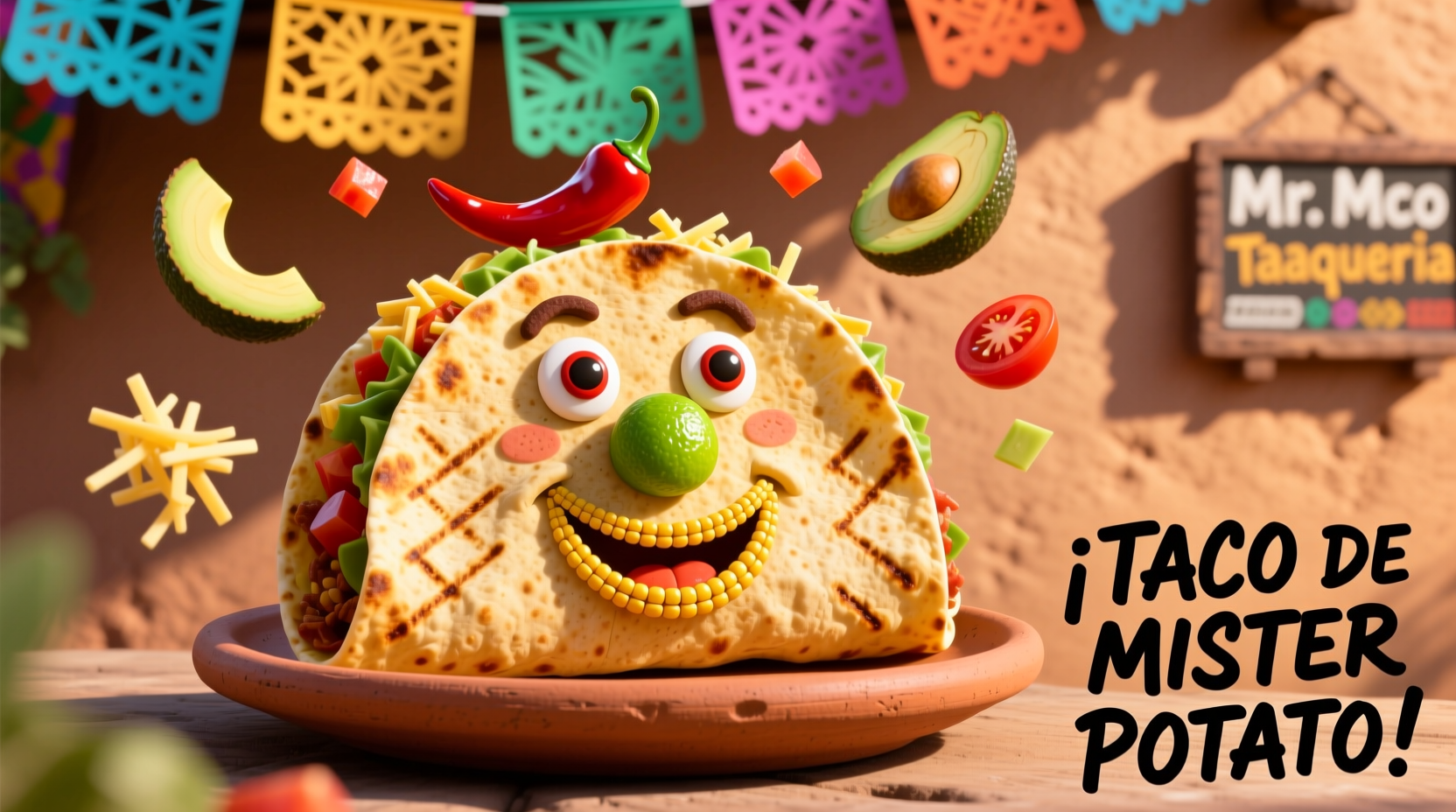
Debunking the Mr. Potato Head Tortilla Myth
If you've encountered claims that Mr. Potato Head can function as a tortilla, you've likely stumbled upon viral misinformation. This article clarifies the facts with input from food safety experts and culinary historians to prevent potentially dangerous kitchen experiments.
Why This Misconception Exists
Social media platforms occasionally circulate misleading content showing people attempting to use the iconic toy in food preparation. These videos typically fall into two categories:
- Intentional satire – Creators making humorous content that's misinterpreted as genuine
- Accidental confusion – Viewers mistaking prop food for real ingredients in cooking demonstrations
The U.S. Food and Drug Administration (FDA) has issued warnings about similar food safety misconceptions, noting that "non-food items should never be incorporated into edible preparations" (FDA Food Safety Guidelines).
Mr. Potato Head: Toy Specifications vs. Food Requirements
| Characteristic | Mr. Potato Head Toy | Food-Grade Potatoes |
|---|---|---|
| Material Composition | Plastic polymers (ABS, PVC) | Starch, water, nutrients |
| Manufacturing Environment | Toy factories (non-food certified) | USDA-inspected facilities |
| Food Safety Certification | None | FDA-compliant |
| Intended Use | Children's play (ages 2+) | Human consumption |
| Chemical Leaching Risk | High (phthalates, BPA) | None when properly handled |
Historical Context: Two Separate Legacies
Mr. Potato Head Timeline
- 1952 – Debuts as first toy advertised on television
- 1964 – Body becomes plastic (previously required real potato)
- 2000s – Strict safety standards implemented for all components
- Present – Contains small parts warnings and non-edible labels
Tortilla Tradition
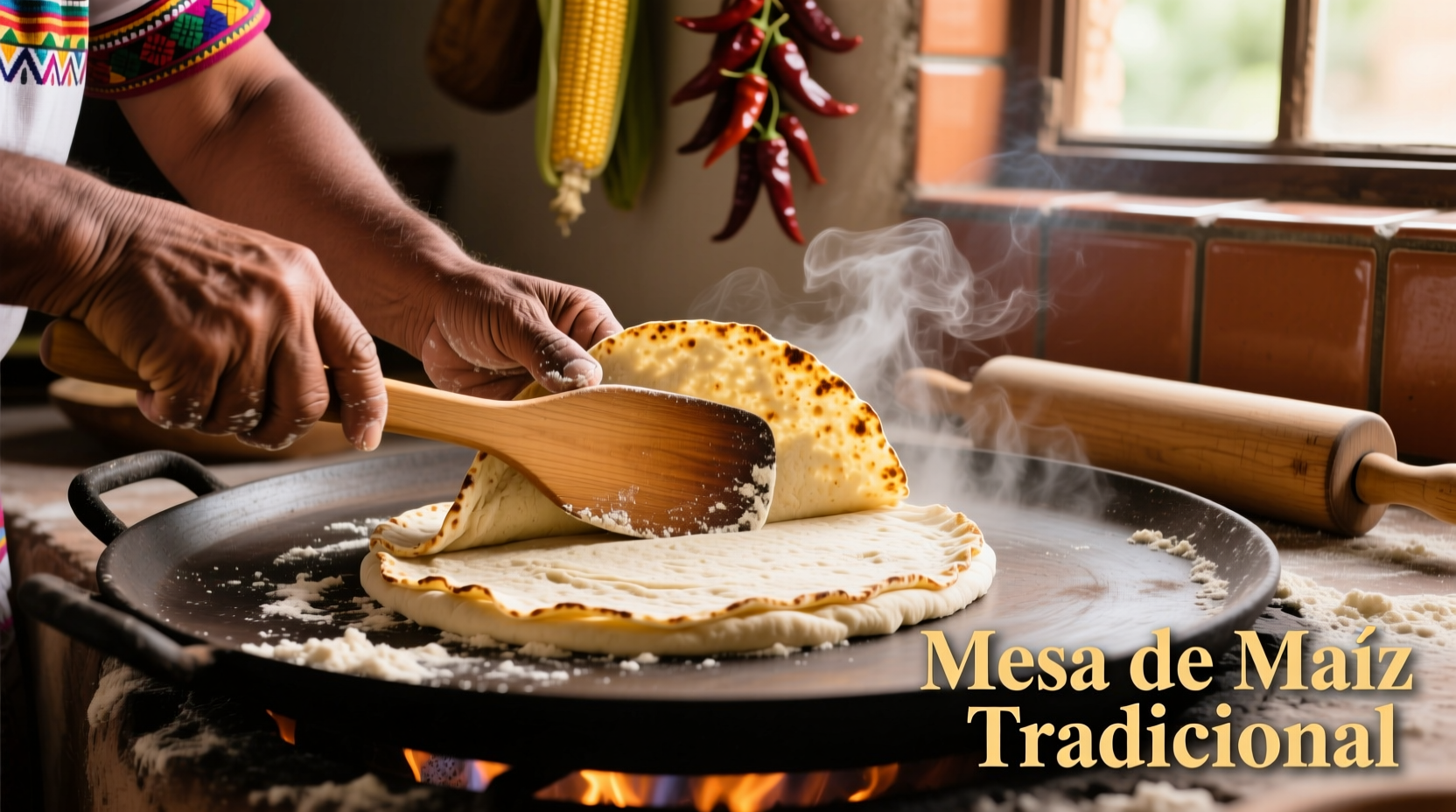
As documented by the Smithsonian's National Museum of the American Indian, corn tortillas have been central to Mesoamerican cuisine for over 5,000 years. Authentic preparation requires specific maize varieties treated with calcium hydroxide (nixtamalization), a process with no connection to plastic toys.
Safe Potato Alternatives for Tortilla Making
If you're interested in potato-based flatbreads, culinary experts recommend these authentic approaches:
- Potato Gorditas – Mexican specialty using mashed potatoes in masa dough
- Aloo Paratha – Indian flatbread with spiced potato filling
- Boxty – Irish potato pancake using grated raw potatoes
"Traditional cooking techniques evolve from cultural knowledge, not toy adaptations," explains Maya Gonzalez, Latin American cuisine specialist. "Each ingredient has its proper preparation method that respects both safety and heritage."
Food Safety Considerations
The Consumer Product Safety Commission (CPSC) emphasizes that toys contain chemicals unsuitable for food contact. Plastic components may leach phthalates when exposed to heat or oils, potentially causing:
- Digestive system irritation
- Hormone disruption
- Long-term health complications
Professional kitchens follow strict protocols separating food preparation areas from non-food items – a standard home cooks should emulate.




 浙公网安备
33010002000092号
浙公网安备
33010002000092号 浙B2-20120091-4