
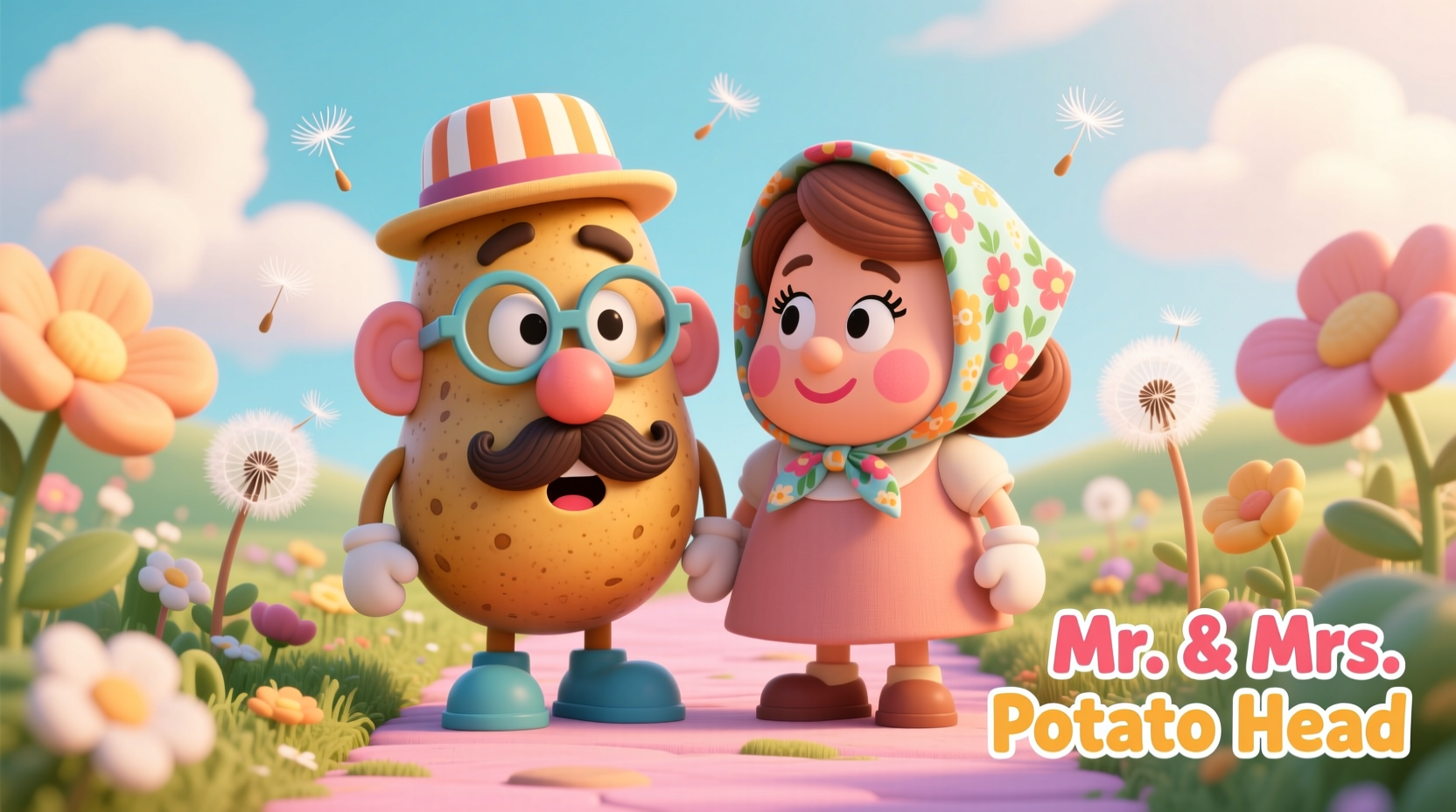
The Surprising Evolution of a Toy Icon
When you think of classic American toys, few are as instantly recognizable as Mr. and Mrs. Potato Head. But what many don't realize is that these smiling spud companions represent one of the most fascinating journeys in toy history—from humble beginnings with actual produce to becoming a cultural touchstone that's adapted to modern values while preserving its charm.
From Real Potatoes to Plastic Perfection
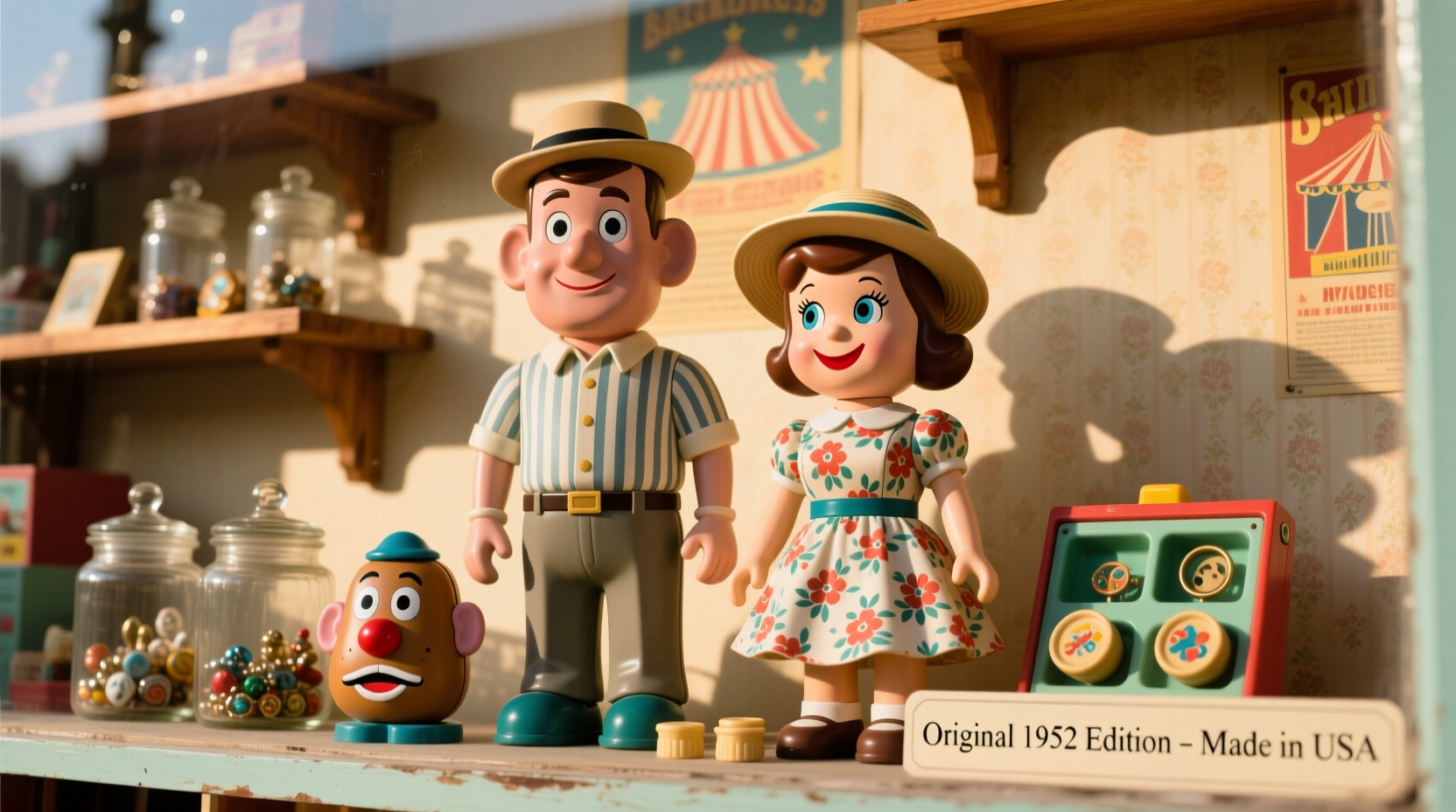
Contrary to what many assume, the original Mr. Potato Head wasn't made of plastic at all. When it launched in 1952, it was a set of plastic facial features that children attached to real potatoes and other vegetables. This innovative concept made it the first toy ever advertised on television, revolutionizing how products reached children directly.
By 1964, Hasbro introduced the now-familiar plastic potato body after parents complained about rotting vegetables. This transition marked a significant evolution in toy manufacturing and safety standards. The plastic bodies allowed for more durable play and opened the door for additional characters and accessories.
Understanding the Cultural Impact
For decades, Mr. and Mrs. Potato Head became embedded in American culture through:
- Appearances in the Toy Story film franchise, introducing the characters to new generations
- Countless family game nights and imaginative play sessions
- Recognition as one of the original inductees into the National Toy Hall of Fame in 1998
The toys' simple yet versatile design encouraged creativity—children could mix and match features to create endless combinations, teaching early lessons about facial expressions and emotions through play.
| Key Milestone | Year | Significance |
|---|---|---|
| Original Mr. Potato Head launch | 1952 | First toy advertised on television; required real potatoes |
| Mrs. Potato Head introduction | 1953 | Expanded the product line with gender-specific character |
| Plastic body introduction | 1964 | Eliminated need for real produce; improved durability |
| National Toy Hall of Fame | 1998 | Recognized cultural significance and longevity |
| Gender-neutral rebranding | 2021 | "Potato Head" line introduced for inclusivity |
The 2021 Rebranding: More Than Just a Name Change
In 2021, Hasbro made headlines when they announced they would remove "Mr." and "Mrs." from the Potato Head branding, creating a gender-neutral "Potato Head" line. This decision reflected broader cultural shifts toward inclusivity while maintaining the toy's core design.
According to Hasbro's official statement, the change was made to "invite people to play their way" and ensure all children could see themselves represented in play. The company emphasized that existing products with gendered titles would remain available, but new products would adopt the inclusive approach.
This evolution demonstrates how classic toys can adapt to contemporary values without losing their essential character. The plastic bodies, interchangeable features, and playful spirit remain unchanged—the only difference is that the packaging now welcomes all children to create their own potato families.
Why This Evolution Matters for Modern Play
The Potato Head story offers valuable insights about how toys reflect societal changes while maintaining their core purpose. Unlike many vintage toys that have become obsolete, Potato Head has remained relevant through thoughtful evolution.
Child development experts note that open-ended toys like Potato Head support creativity and emotional development. The recent changes specifically address how children today understand family structures and gender identity, making the toy more inclusive while preserving its educational benefits.
According to research from the American Academy of Pediatrics, imaginative play with toys like Potato Head helps children develop social skills, problem-solving abilities, and emotional regulation—benefits that remain consistent regardless of the toy's specific branding.
Preserving Play History While Embracing Change
The Potato Head journey reminds us that cultural icons can evolve while honoring their heritage. Collectors still cherish vintage sets, families continue to enjoy the classic play pattern, and new generations discover the joy of creating endless potato personalities.
What makes Potato Head truly special isn't its gender designation but its fundamental design principle: the freedom to create and reimagine. Whether you're attaching features to a real potato in 1952 or mixing and matching pieces on a plastic body today, the core experience of playful creativity remains unchanged.
Frequently Asked Questions
When was Mr. Potato Head first introduced?
Mr. Potato Head was first introduced in 1952 by Hasbro, making it the first toy ever advertised on television. The original version consisted of plastic facial features that children attached to real potatoes and other vegetables.
Why did Hasbro remove Mr. and Mrs. from Potato Head?
In 2021, Hasbro rebranded the line as gender-neutral "Potato Head" to promote inclusivity and ensure all children feel represented. The company stated this change would "invite people to play their way" while maintaining the toy's core design and play pattern.
Do Potato Head toys still come with gender-specific features?
While the packaging is now gender-neutral, many Potato Head sets still include traditionally gendered accessories like bow ties and earrings. However, Hasbro encourages children to mix and match features freely, emphasizing that play should be creative and unrestricted by gender expectations.
Can you still buy the original Mr. and Mrs. Potato Head toys?
Yes, existing products with "Mr." and "Mrs." branding remain available while supplies last. Hasbro has not discontinued these versions but has shifted new product development to the gender-neutral "Potato Head" line.
What makes Potato Head historically significant in toy manufacturing?
Potato Head was the first toy advertised directly to children on television, revolutionizing marketing approaches. It was also among the first toys to feature interchangeable parts, encouraging creative play patterns that influenced countless toy designs that followed.




 浙公网安备
33010002000092号
浙公网安备
33010002000092号 浙B2-20120091-4