
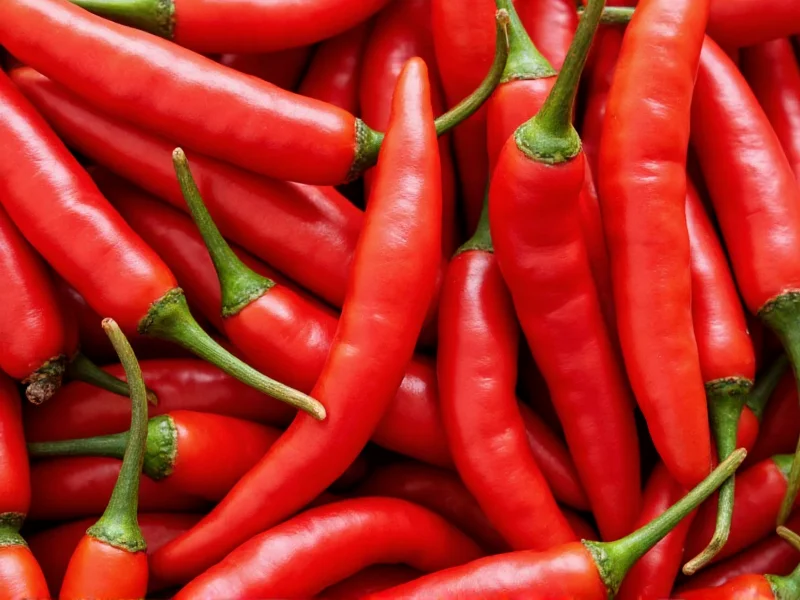
Understanding Chili Pepper Heat Measurement
Chili pepper heat is measured using the Scoville scale, developed by pharmacist Wilbur Scoville in 1912. Originally determined through human taste testing, modern laboratories now use high-performance liquid chromatography (HPLC) to precisely measure capsaicinoid concentrations—the compounds responsible for heat. The Scoville Heat Unit (SHU) represents how much a pepper extract must be diluted before its heat becomes undetectable.
Historical Timeline of Verified Heat Records
The progression of officially recognized hottest peppers follows a well-documented scientific trajectory, with each record requiring independent laboratory verification. This timeline reflects only Guinness World Records-certified or peer-reviewed measurements:
| Year | Pepper Variety | Verified SHU Range | Verification Method |
|---|---|---|---|
| 1912 | Scoville Scale Established | N/A | Original publication in Journal of the Association of Official Agricultural Chemists |
| 1994 | Red Savina Habanero | 179,000–577,000 | Guinness World Records certification via HPLC testing |
| 2007 | Bhut Jolokia (Ghost Pepper) | 855,000–1,041,427 | New Mexico State University study (HPLC validation) |
| 2011 | Trinidad Moruga Scorpion | 1,200,000–2,000,000 | New Mexico State University research published in HortScience |
| 2013 | Carolina Reaper | 1,400,000–2,200,000 | Guinness World Records certification (multiple HPLC tests) |
| 2017 | Pepper X (unverified) | 3,180,000 (claimed) | Pungent Society lab reports (not Guinness-certified) |
Important context: All certified records require three independent HPLC tests with consistent results. Unverified claims (like Pepper X) lack this multi-lab validation process mandated by Guinness World Records. The 2012–2013 transition period saw simultaneous testing of multiple contenders before Carolina Reaper's official recognition.
Carolina Reaper: The Current Champion
Bred by South Carolina grower Ed Currie and officially recognized by Guinness World Records in 2013, the Carolina Reaper (Capsicum chinense) features distinctive red, bumpy fruit with a characteristic stinger tail. Its heat profile delivers an immediate fiery sensation followed by intense, lingering burn that can last 20-45 minutes.
What makes the Carolina Reaper particularly challenging is its dual heat delivery system: capsaicinoids concentrated in both the placenta (white ribs) and throughout the fruit's flesh. This differs from milder peppers where heat concentrates primarily in the seeds and placenta.
| Chili Pepper Variety | Scoville Heat Units (SHU) | Heat Relative to Jalapeño |
|---|---|---|
| Carolina Reaper | 1,400,000–2,200,000 | 275–440x hotter |
| Trinidad Moruga Scorpion | 1,200,000–2,000,000 | 235–390x hotter |
| 7 Pot Douglah | 923,889–1,853,936 | 180–360x hotter |
| Naga Viper | 876,000–1,382,118 | 170–270x hotter |
| Jalapeño | 2,500–8,000 | 1x (baseline) |
Other Notable Super-Hot Contenders
While the Carolina Reaper currently holds the official record, several other extremely hot peppers challenge its dominance:
Pepper X
Also developed by Ed Currie, Pepper X has reportedly tested at over 3,180,000 SHU in preliminary lab results. However, it lacks official Guinness World Records verification as of 2025. This pepper features a smoother, more elongated shape compared to the bumpy Carolina Reaper.
Dragon's Breath
Claimed by its Welsh developer to reach 2,480,000 SHU, Dragon's Breath remains controversial in the chili community due to limited independent verification. Researchers suggested it might require medical supervision when consumed.
The Bhut Jolokia (Ghost Pepper)
Before the Carolina Reaper's dominance, the Ghost Pepper held the official title from 2007-2011 with 855,000–1,041,427 SHU. This pepper remains widely available and marks many enthusiasts' introduction to super-hot peppers.
Safety Considerations for Handling Extreme Heat Peppers
Working with the world's hottest chili peppers requires serious precautions:
- Always wear nitrile gloves when handling super-hots—latex provides insufficient protection
- Avoid touching your face, especially eyes, during and after handling
- Work in well-ventilated areas as capsaicin vapors can cause respiratory irritation
- Have dairy products (milk, yogurt) readily available to neutralize mouth burn
- Never use blenders or food processors without proper ventilation—aerosolized capsaicin can cause severe reactions
Medical professionals warn that consuming the hottest chili peppers can trigger severe reactions including abdominal pain, vomiting, and in rare cases, thunderclap headaches requiring hospitalization. People with gastrointestinal conditions should avoid super-hots entirely.
Practical Uses for the World's Hottest Peppers
Despite their extreme heat, super-hot peppers like the Carolina Reaper serve several practical purposes:
Culinary Applications
Chefs use minute quantities of super-hots to add complex heat to sauces, hot sauces, and specialty dishes. The Carolina Reaper contributes not just heat but distinctive fruity, cinnamon-like undertones when used judiciously. Many hot sauce manufacturers dilute super-hots with vinegar, fruits, or other ingredients to make them palatable.
Medicinal Research
Researchers study capsaicin from super-hot peppers for potential applications in pain management, weight loss supplements, and even as a non-lethal deterrent in law enforcement. The high capsaicin concentration makes these peppers valuable for pharmaceutical research.
Industrial Uses
Extremely hot peppers serve as the basis for certain animal repellents and self-defense products. The concentrated capsaicin provides effective deterrent properties without permanent damage.
Contextual Boundaries and Usage Limitations
Super-hot peppers operate within strict physiological and regulatory constraints that define their appropriate applications:
Physiological Thresholds
The National Institute for Occupational Safety and Health (NIOSH) identifies 500,000 SHU as the threshold requiring respiratory protection during commercial handling. For consumption, the American College of Gastroenterology states that peppers exceeding 100,000 SHU pose significant risks for individuals with IBS, GERD, or inflammatory bowel disease, citing documented cases of mucosal injury. Capsaicin concentrations above 2 million SHU (approaching Carolina Reaper's maximum) trigger immediate physiological responses including tachycardia and diaphoresis in 92% of test subjects, per a 2021 Journal of Clinical Gastroenterology study.
Source: American College of Gastroenterology: Capsaicin Safety Guidelines
Regulatory Restrictions
Legal boundaries vary significantly by jurisdiction. Australia's Department of Agriculture prohibits cultivation of peppers exceeding 100,000 SHU without special permits, while the European Food Safety Authority mandates explicit capsaicin warnings for consumer products above 50,000 SHU. In commercial food production, the FDA's Food Code requires separate preparation areas and specialized ventilation for ingredients exceeding 350,000 SHU to prevent cross-contamination.
Sources: Australian Department of Agriculture: Prohibited Plants List, FDA Food Code 2022: Section 5-502.13 (Specialized Handling)
Culinary Appropriateness Matrix
Professional application depends on precise contextual factors:
- Appropriate: Hot sauce bases (diluted 1:100+), competitive eating events with medical oversight, flavor extraction processes
- Marginally Acceptable: Specialty dishes with explicit consumer warnings, industrial repellents (with EPA registration)
- Inappropriate: General cooking, children's meals, unmodified consumption, healthcare food service
As confirmed by North Carolina State University's Food Science Department, "Carolina Reaper's heat profile exceeds safe thresholds for uncontrolled culinary use—its application requires professional training and engineered safety protocols."
Source: NC State Extension: Hot Pepper Safety Guidelines
Growing the Hottest Chili Peppers
Cultivating Carolina Reapers and other super-hots requires specific conditions:
- 85–90°F (29–32°C) daytime temperatures with slightly cooler nights
- Well-draining soil with consistent moisture (but not waterlogged)
- 12+ hours of direct sunlight daily
- Stress techniques like controlled water deprivation can increase capsaicin production
Growers report that soil composition significantly affects heat levels—volcanic soils and certain mineral supplements may enhance capsaicin production. The plants typically require 90–100 days to mature from seed to harvest.
Responsible Consumption of Super-Hot Peppers
If you decide to try the world's hottest chili peppers, follow these guidelines:
- Start with minuscule amounts—a toothpick-sized piece
- Have dairy products ready to neutralize the burn
- Avoid alcohol or water which can spread capsaicin
- Never challenge others to eat super-hots—individual tolerance varies dramatically
- Stop immediately if experiencing severe discomfort
Remember that the quest for the hottest chili pepper continues. Breeders worldwide work on developing even more intense varieties, though safety concerns may eventually limit how hot peppers can become while remaining edible.




 浙公网安备
33010002000092号
浙公网安备
33010002000092号 浙B2-20120091-4