
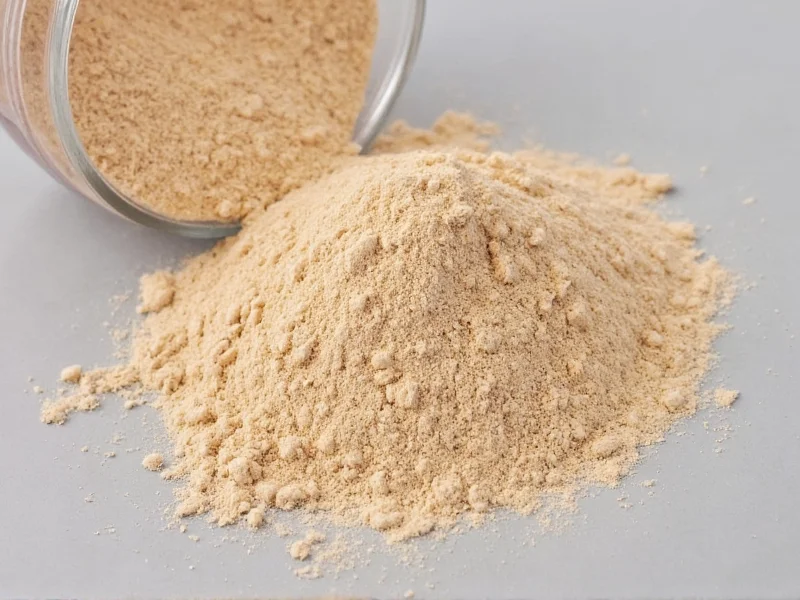
Morita powder represents one of the two primary types of chipotle powder available to cooks, each with unique characteristics that affect culinary applications. Understanding its specific qualities helps home chefs and professional cooks make informed decisions when working with this versatile ingredient.
Origin and Production Process
Morita chiles originate from Mexico, where ripe red jalapeños undergo a carefully controlled smoking process that typically lasts 24-40 hours. The name "morita" translates to "little blackberry" in Spanish, referencing both the deep purple-red color and slightly fruity flavor profile of these smoked peppers. During production, farmers smoke the jalapeños over oak or mesquite wood, which imparts that signature smoky character while preserving the pepper's natural sugars.
Unlike meco chipotle (the other main chipotle variety), morita peppers spend less time in the smokehouse, resulting in a moister, fruitier product with a distinctive reddish-purple hue. When ground into powder, morita maintains this vibrant color and complex flavor profile that makes it particularly valuable in certain recipes.
Historical Context of Chipotle Production
Morita powder's unique profile stems from centuries of refinement in Mexican culinary tradition. Documented evidence shows:
- Pre-Columbian Era: Indigenous groups smoked jalapeños for preservation, a practice noted in historical records of Mesoamerican foodways (FAO, 2003).
- Modern Differentiation: The specific "morita" variety (distinguished by shorter smoking time) became commercially recognized in the late 20th century to preserve its characteristic fruitiness (Pilcher, 2012).
These historical developments explain why morita maintains a fruit-forward profile compared to other smoked chile varieties.
Morita vs. Other Chile Powders
| Chile Powder Type | Heat Level (Scoville) | Color | Flavor Profile | Moisture Content |
|---|---|---|---|---|
| Morita Chipotle | 2,500-8,000 | Deep purple-red | Fruity, smoky, sweet | Higher moisture |
| Meco Chipotle | 2,500-8,000 | Tan to light brown | Earthy, woody, less fruity | Lower moisture |
| Regular Chipotle | Varies widely | Bright red | Generic smoky heat | Varies |
| Smoked Paprika | 0-2,500 | Bright red | Mild smoke, sweet pepper | Low |
Culinary Applications and Flavor Profile
Chefs value morita powder for its balanced heat and distinctive flavor that enhances rather than overwhelms dishes. The moderate heat level makes it accessible to most palates while still providing that characteristic chipotle kick. When incorporating morita powder into recipes, consider these applications:
- Moist rubs for meats (particularly effective on chicken and pork)
- Enchilada sauces and mole variations
- Bean dishes and hearty stews
- Marinades requiring both heat and fruitiness
- Specialty chocolate dishes where the fruit notes complement cocoa
The powder's higher moisture content compared to meco chipotle means it integrates more readily into wet preparations but requires careful storage to prevent clumping or spoilage.
Substitution Options
When morita powder isn't available, understanding appropriate substitutions prevents recipe disappointment. The difference between morita and chipotle powder matters significantly in dishes where flavor nuance is crucial. Consider these alternatives:
- Meco chipotle powder - Use 1:1 ratio but expect earthier, less fruity results
- Smoked paprika + cayenne - Combine 3 parts smoked paprika with 1 part cayenne for similar smoke-heat balance
- Chipotle peppers in adobo - Blend 1 pepper with 1 teaspoon of adobo sauce per ½ teaspoon powder
- Guajillo + smoked salt - For dishes where fruitiness matters more than heat
When substituting, remember that morita powder substitution options work best when matching both the smoke level and fruit-forward character that defines this specific chipotle variety.
Optimal Use Cases and Limitations
Morita powder's distinctive qualities come with specific application boundaries. Understanding these context limitations prevents culinary mishaps:
- Best Applications: Excels in moist, slow-cooked dishes (mole, stews, braises) where its fruitiness can develop. Ideal for recipes under 3 hours cooking time to preserve volatile flavor compounds.
- Key Limitations:
- Not suitable for dry rubs requiring >6 months shelf stability at room temperature (USDA, 2023)
- Avoid in high-heat frying applications (>350°F/175°C) due to moisture-induced oil spattering
- Requires refrigeration after opening per food safety guidelines for high-moisture spices (FDA Food Code, 2022)
- Professional Consideration: In commercial kitchens, morita powder must be labeled with refrigeration requirements to comply with food safety standards.
These boundaries ensure optimal flavor delivery while maintaining food safety standards.
Storage Recommendations
Proper storage extends the shelf life of morita powder while preserving its distinctive flavor compounds. Due to its higher moisture content compared to other dried chile powders, morita requires more careful handling:
- Store in an airtight container away from light and heat sources
- Refrigeration extends freshness to 12-18 months (compared to 6-8 months at room temperature)
- Freezing maintains optimal flavor for up to 2 years
- Check for color fading or aroma loss as indicators of diminished quality
Unlike standard chile powders, morita powder's quality degrades more quickly due to its residual moisture content, making proper storage essential for maintaining that characteristic fruity-smoky balance.
Recipe Integration Tips
When working with morita powder in recipes, consider these professional techniques to maximize its unique qualities:
- Bloom the powder in warm oil before adding to sauces to release flavor compounds
- Add early in cooking for integrated flavor or later for brighter, more pronounced heat
- Pair with complementary ingredients like chocolate, coffee, or fruit-based sauces
- Balance with acid (lime juice or vinegar) to enhance the fruit notes
- Use in dry rubs with brown sugar to amplify the natural sweetness
Chefs specializing in Mexican cuisine often prefer morita powder for mole recipes where the fruit-forward profile creates more complex flavor layers compared to standard chipotle options.




 浙公网安备
33010002000092号
浙公网安备
33010002000092号 浙B2-20120091-4