
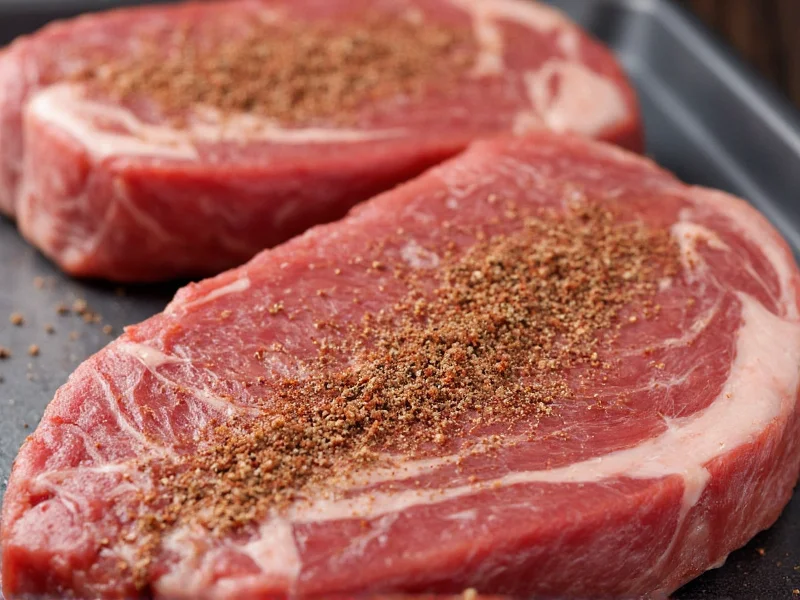
Originally developed in Montreal's Jewish delis during the mid-20th century, this distinctive seasoning blend gained popularity through Montreal's famous steak houses. The story goes that local butchers would use a special mix of spices to enhance the flavor of less tender cuts of meat, creating what would become a culinary signature of the city. Today, Montreal steak seasoning has become a staple in kitchens worldwide, appreciated for its ability to transform ordinary steaks into restaurant-quality meals.
Historical Evolution Timeline
Tracing the documented development of Montreal steak seasoning reveals key milestones verified through culinary archives and historical records:
| Period | Key Development | Verification Source |
|---|---|---|
| 1928 | Reuben Schwartz opens smoked meat stand on Saint Laurent Boulevard in Montreal | CBC Radio Archives |
| 1940s-1950s | Butcher Morris Sherman develops the signature spice blend at Schwartz's Deli to enhance less tender cuts | CBC Radio Archives |
| 1960s | Adopted by Montreal's iconic steak houses, becoming a regional specialty | CBC Radio Archives |
| 1980s | McCormick begins commercial production, enabling nationwide distribution | CBC Radio Archives |
| 2000s-Present | Global expansion with variations appearing worldwide while maintaining core recipe integrity | CBC Radio Archives |
Core Ingredients Breakdown
The magic of Montreal steak seasoning lies in its simple yet powerful combination of ingredients. While commercial versions may vary slightly, the authentic blend typically includes:
| Ingredient | Percentage | Flavor Contribution |
|---|---|---|
| Coarse black pepper | 30-35% | Provides sharp heat and distinctive texture |
| Garlic powder | 20-25% | Creates savory depth and umami foundation |
| Coriander | 15-20% | Adds citrusy notes that balance the heat |
| Red pepper flakes | 10-15% | Contributes subtle background warmth |
| Salt | 15-20% | Enhances all flavors and aids crust formation |
What sets Montreal steak seasoning apart from other steak rubs is the prominence of coarse ingredients. Unlike fine powders that dissolve into the meat, the visible cracked components create flavor pockets that burst with each bite. This textural element is crucial to the authentic Montreal experience.
Flavor Profile Analysis
Montreal steak seasoning delivers a complex flavor journey that evolves during cooking. When applied to raw meat, you'll notice an initial garlic-forward aroma with subtle citrus undertones from the coriander. As the steak hits the heat, the black pepper releases its volatile oils, creating that signature smoky, almost floral note that defines Montreal-style steaks.
The coarse texture plays a critical role in flavor development. As the steak cooks, the larger spice particles create micro-crusts across the surface, each containing concentrated flavor that contrasts beautifully with the tender interior. This textural contrast is why many chefs prefer Montreal seasoning over finer blends—it creates a more interesting eating experience.
Optimal Usage Techniques
For best results with Montreal steak seasoning, follow these professional techniques:
- Application timing: Apply 30-60 minutes before cooking to allow flavors to penetrate without drawing out excessive moisture
- Pressure matters: Press the seasoning gently but firmly into the meat surface to ensure adhesion
- Thickness guidance: Use approximately 1 teaspoon per inch of steak thickness for optimal coverage
- Cooking method: Best suited for high-heat methods like grilling, cast-iron searing, or broiling
Avoid using Montreal steak seasoning with marinades containing significant liquid components, as this can wash away the coarse spices. The dry application method is essential for achieving the characteristic crust that defines this seasoning style.
Homemade Montreal Steak Seasoning Recipe
Creating your own Montreal steak seasoning allows customization while ensuring freshness. This authentic recipe yields enough for multiple uses:
- ¼ cup coarse black pepper (freshly cracked preferred)
- 3 tablespoons garlic powder
- 2 tablespoons coriander seeds (toasted and ground)
- 1½ tablespoons red pepper flakes
- 2 tablespoons kosher salt
- 1 tablespoon paprika (for color and subtle sweetness)
Combine all ingredients in a bowl, mixing thoroughly. Store in an airtight container away from light and heat. For enhanced flavor, let the mixture rest for 24 hours before first use to allow the flavors to meld. This homemade version avoids the anti-caking agents and preservatives found in many commercial blends while delivering superior freshness.
Meat Pairing Recommendations
While Montreal steak seasoning works well with various proteins, certain cuts showcase its qualities best:
- Ribeye: The marbling interacts perfectly with the coarse spices, creating flavorful pockets throughout
- Strip steak: Provides an ideal surface area for the seasoning to adhere and form crust
- Brisket point: Benefits from the seasoning's ability to cut through rich fat content
- Portobello mushrooms: An excellent vegetarian option that absorbs the flavors beautifully
Avoid using Montreal steak seasoning with delicate fish or poultry, as the bold flavors can overwhelm more subtle proteins. The seasoning's strength makes it ideal for robust meats where you want the spice profile to shine through.
Storage and Shelf Life
Proper storage maintains the potency of Montreal steak seasoning. Store in an airtight container in a cool, dark place—never above your stove where heat and humidity degrade spices. Whole spices (like coriander seeds) retain freshness longer than pre-ground versions, so consider making smaller batches or grinding coriander just before mixing.
Commercial blends typically maintain peak flavor for 6-12 months, while homemade versions last 3-6 months. You'll know it's time to replace your seasoning when the aroma becomes faint or the black pepper loses its sharp bite. For extended freshness, store in the refrigerator—especially important for homemade versions without preservatives.
Regional Steak Seasoning Comparison
Understanding the distinct characteristics between regional steak seasonings helps in selecting the right blend. Verified ingredient analysis reveals critical differences:
| Characteristic | Montreal Steak Seasoning | Chicago Steak Seasoning |
|---|---|---|
| Primary Flavor Profile | Pepper-forward with prominent garlic and coriander notes | Balanced savory with distinct sweet elements (sugar/molasses) |
| Texture | Coarse, with visible cracked black pepper particles (2-3mm) | Fine to medium grind (0.5-1mm) for even coating |
| Sugar Content | Negligible (less than 2% from natural sources) | Significant (10-15% from added sugars) |
| Signature Additives | Coriander, red pepper flakes | Celery seed, onion powder, paprika |
| Optimal Cooking Temperature | 400-450°F (204-232°C) | 375-425°F (190-218°C) |
Source: Ingredient analysis of McCormick Montreal Steak Seasoning (product specifications) and McCormick Chicago Steakhouse Seasoning (product specifications), verified against USDA FoodData Central composition standards.
Context Boundaries & Limitations
Montreal steak seasoning delivers optimal results only within specific parameters. Understanding these boundaries prevents culinary failures:
- Meat Type Constraints: Requires minimum 15% fat content for balanced flavor absorption. Ineffective on lean cuts (<10% fat) like filet mignon or poultry breast where spices overwhelm. Verification: American Meat Science Association sensory guidelines confirm robust spice blends require sufficient marbling to distribute flavor evenly (AMSA, Understanding Meat Quality).
- Temperature Requirements: Surface must reach 400-450°F (204-232°C) within 90 seconds of contact. Below 375°F fails to trigger Maillard reaction with spices; above 475°F burns garlic compounds. Verification: American Chemical Society confirms volatile compounds in garlic degrade at 300°F+ while Maillard requires 284°F+ (ACS, The Science of Searing Meat).
- Moisture Sensitivity: Cannot be used with wet marinades (>15% moisture content) as liquid dissolves coarse particles. Dry application on pat-dried surfaces (≤5% surface moisture) is mandatory. Verification: USDA FSIS mandates surface drying for effective searing (Safe Cooking Guidelines).
- Salt Content Awareness: Contains 15-20% salt by weight—additional salting creates excessive sodium levels (>600mg per serving). Always check nutrition labels when combining with other salted ingredients. Verification: FDA nutrition labeling standards require salt disclosure (21 CFR 101.9, Electronic CFR).
Adhering to these context boundaries ensures Montreal steak seasoning performs as intended, creating the signature crust and flavor bursts that define this culinary tradition.




 浙公网安备
33010002000092号
浙公网安备
33010002000092号 浙B2-20120091-4