
Mole Mexican Food: A Flavorful Journey Through History and Taste
When it comes to the world of spices, few dishes are as rich in flavor and history as mole. This traditional Mexican sauce has captivated palates for centuries, and if you're wondering what is mole mexican food, you're in for a delicious discovery. Mole is not just a sauce—it's a story, a tradition, and a culinary masterpiece that brings together an array of ingredients from across the globe.
Table of Contents
- What Is Mole Mexican Food?
- The Many Varieties of Mole
- Key Ingredients in Mole
- Cooking Tips for Making Mole
- Buying Guide: Choosing the Right Mole Sauce
- Conclusion
What Is Mole Mexican Food?
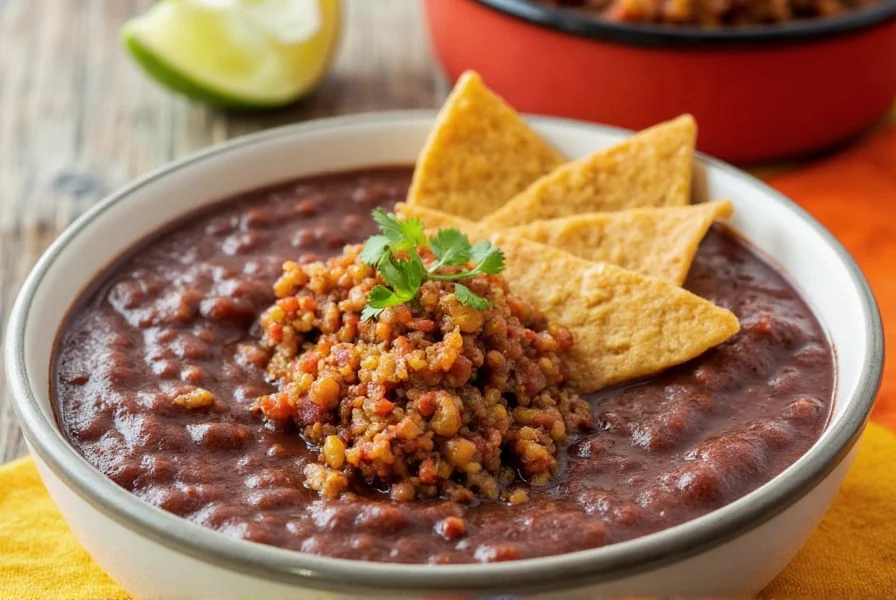
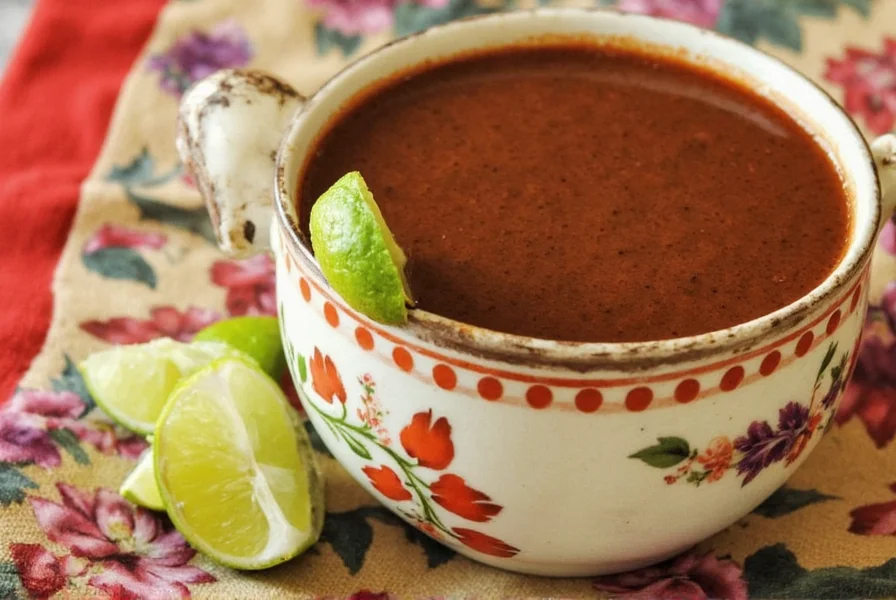
If you're curious about what is mole mexican food, the answer lies in its deep, complex flavors and cultural significance. Mole is a thick, dark sauce that originates from Mexico and is typically served with meats like chicken, turkey, or pork. The name mole comes from the Nahuatl word molli, which means “sauce.” But this is no ordinary sauce—it’s a labor of love, often requiring hours of preparation and a careful balance of ingredients.
One of the most famous types of mole is mole poblano, which uses chocolate, chili peppers, and spices to create a rich, smoky, and slightly sweet flavor. However, there are many other varieties, each with its own unique twist and regional flair.
The Many Varieties of Mole
Mole is not a one-size-fits-all dish. There are several distinct types, each with its own history and ingredients. Here are some of the most popular ones:
- Mole Poblano: The most well-known variety, made with chili peppers, tomatoes, nuts, and chocolate.
- Mole Negro: A dark, intense sauce from Oaxaca, featuring more chili and less chocolate than mole poblano.
- Mole Verde: A green sauce made with herbs, tomatillos, and avocado, giving it a fresh, tangy flavor.
- Mole Coloradito: A reddish sauce with a medium heat level, often used with chicken.
- Mole Amarillo: A yellow sauce with a milder flavor, usually made with yellow chilies and fruits.
Each type of mole reflects the region it comes from, making it a true representation of Mexican cuisine’s diversity.
Key Ingredients in Mole
The magic of mole lies in its ingredients. While the exact recipe can vary, most mole sauces share some common components:
| Ingredient | Description |
|---|---|
| Chili Peppers | Provide the base heat and depth of flavor. |
| Cacao or Chocolate | Brings a rich, earthy sweetness to the sauce. |
| Nuts and Seeds | Add texture and a nutty undertone. |
| Spices | Such as cinnamon, cloves, and cumin, give mole its signature warmth. |
| Tomatoes or Tomatillos | Provide acidity and help thicken the sauce. |
Some recipes also include fruit, like mango or pineapple, to balance out the heat and add a touch of sweetness. The combination of these ingredients creates a sauce that is both bold and complex, making what is mole mexican food a question worth exploring.
Cooking Tips for Making Mole
If you’re ready to try your hand at making mole, here are a few practical tips to ensure success:
- Toast the chilies first: This enhances their flavor and helps remove any bitterness.
- Use fresh ingredients: Fresh herbs, ripe tomatoes, and high-quality chocolate make a big difference.
- Balance the flavors: Mole should have a good mix of heat, sweetness, and acidity—taste as you go and adjust accordingly.
- Let it simmer: A slow, gentle simmer allows the flavors to meld together beautifully.
- Don’t rush the process: Mole is a time-honored dish that benefits from patience and care.
Remember, what is mole mexican food isn’t just about the ingredients—it’s about the love and effort that go into every step of the process.
Buying Guide: Choosing the Right Mole Sauce
If you’re not up for making mole from scratch, there are many store-bought options available. Here’s a quick guide to help you choose the right one:
Top Mole Sauces on the Market
- Mole Poblano by La Costeña
- Features: Made with traditional ingredients and no artificial preservatives.
- Advantages: Convenient for busy cooks who still want authentic flavor.
- Use Cases: Ideal for tacos, enchiladas, or serving over chicken.
- Target Audience: Home cooks looking for a quick yet authentic option.
- Suitable Occasions: Weeknight dinners, family gatherings, or holiday meals.
- Mole Negro by El Yucateco
- Features: Rich, dark sauce with a deep, smoky flavor.
- Advantages: Offers a more intense taste for those who enjoy bold flavors.
- Use Cases: Perfect for grilled meats or as a dipping sauce.
- Target Audience: Enthusiasts who appreciate traditional, robust flavors.
- Suitable Occasions: Special occasions or when you want to impress guests.
- Mole Verde by Molina
- Features: Fresh, herbaceous sauce with a bright, tangy profile.
- Advantages: Great for those who prefer a lighter, more vibrant option.
- Use Cases: Pairs well with chicken, fish, or even as a dip for tortilla chips.
- Target Audience: People who enjoy fresh, zesty flavors.
- Suitable Occasions: Casual meals or summer gatherings.
Whether you're cooking at home or shopping for a special occasion, understanding what is mole mexican food will help you choose the best option for your needs.
Conclusion
In summary, what is mole mexican food is more than just a question—it’s an invitation to explore a rich and flavorful tradition. Mole is a testament to the creativity and heritage of Mexican cuisine, and its complexity makes it a favorite among both professionals and enthusiasts alike.
Whether you're cooking it yourself or enjoying it from a store-bought bottle, mole offers a unique blend of sweet, spicy, and savory notes that can elevate any meal. So next time you see a plate of mole, take a moment to savor its history, its ingredients, and its incredible taste.




 浙公网安备
33010002000092号
浙公网安备
33010002000092号 浙B2-20120091-4